Teleoperation: the hidden operator rarely mentioned in Marketing
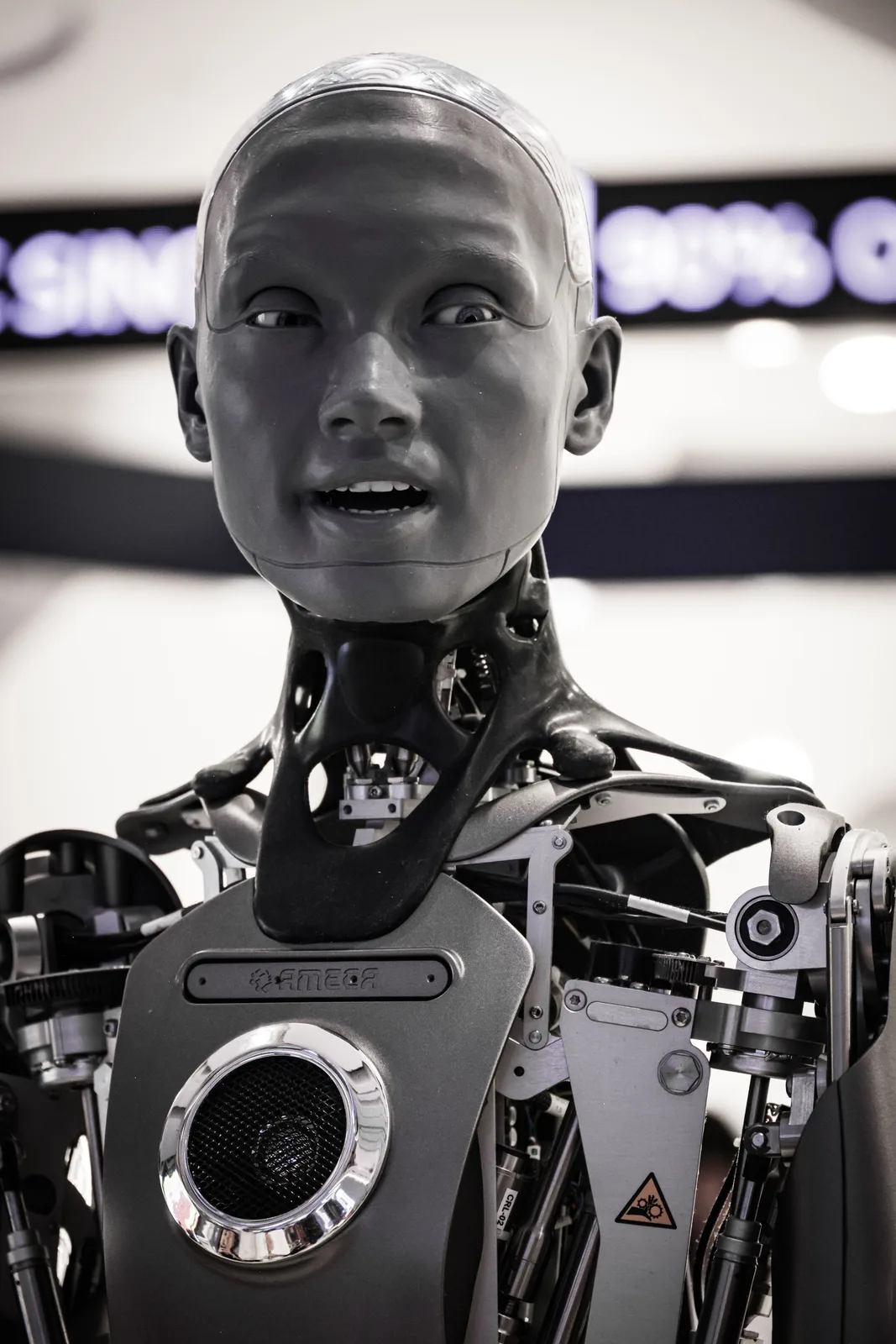
The robot may appear autonomous, although there is a human behind its operation. Teleoperation includes full remote control, prompting a single movement, selecting an object or taking control only in difficult moments. Any of these models may be useful, but should be explicitly described.
Why do manufacturers use teleoperation?
The physical world contains a huge number of exceptions. An operator can save a mission when the robot encounters a new object, misjudges a grip, or becomes disoriented. Remote assistance also allows you to collect demonstrations needed to train models.
Teleoperation is not a scam. The problem occurs when the material suggests full autonomy, and the viewer does not receive information about human participation.
Four levels of human involvement
- Full Control: the operator controls most of the movements.
- Continuous supervision: the robot works alone, but a human constantly observes and often intervenes.
- Help on Demand: the system reports a difficult case to the common operator pool.
- Autonomy with audit: the human analyzes the results after finishing work, he does not direct the robot live.
Economic impact
If one operator operates one robot for an entire shift, automation does not remove the labor cost - it moves it to another location. The model becomes more attractive when the operator can supervise multiple devices and intervenes sporadically.
The pilot should measure the number of minutes of teleoperation per hour of work and the number of robots per person. Without this data, it is difficult to calculate the cost of the task.
Latency and Connectivity
Remote control depends on connection quality. The delay can make it difficult to get a precise grip and stop safely. The system should have local security that works even after the Internet is lost.
Privacy for Home and Business
The operator can see inside the house, people and documents. The provider should explain when teleoperation is launched, from which country the operator works, whether the image is recorded and how access is limited. The user should receive a visible signal of an active session and the option to end it immediately.
Teleoperation as a transition stage
Early robots may use assistance more frequently and become more autonomous as data is collected. However, there is no guarantee that each task will quickly become independent. Some exceptions may always require a human.
Questions for the manufacturer
- What percentage of missions end without intervention?
- How many support minutes per hour?
- Can the operator see or hear the surroundings?
- Where is the data processed?
- What does the robot do when the link is lost?
- Is the cost of teleoperation included in the subscription?
Operator safety and work standards
Remote operators need training and clear boundaries. One person should not be forced to supervise too large a fleet if it delays the response. The system should prioritize events and automatically stop the robot in case of no response.
Training Data
Teleoperation sessions can be saved as learning material. The user should know whether the recording from his home or business becomes part of the data set, how it is anonymized and whether it can be objected to.
Compare offers
- operator hour cost,
- support center location,
- maximum waiting time,
- operator language,
- minimum link quality,
- local mode after communication loss.
Target Meter
The most important thing is not to completely eliminate teleoperation, but to achieve an economic ratio. If one operator solves several short exceptions for a large fleet, the model can be cost-effective and safe.
RoboMorrow assessment
Teleoperation is a valuable tool, but must be included in the description of autonomy and costs. We will treat the lack of transparency as a significant negative of the product.