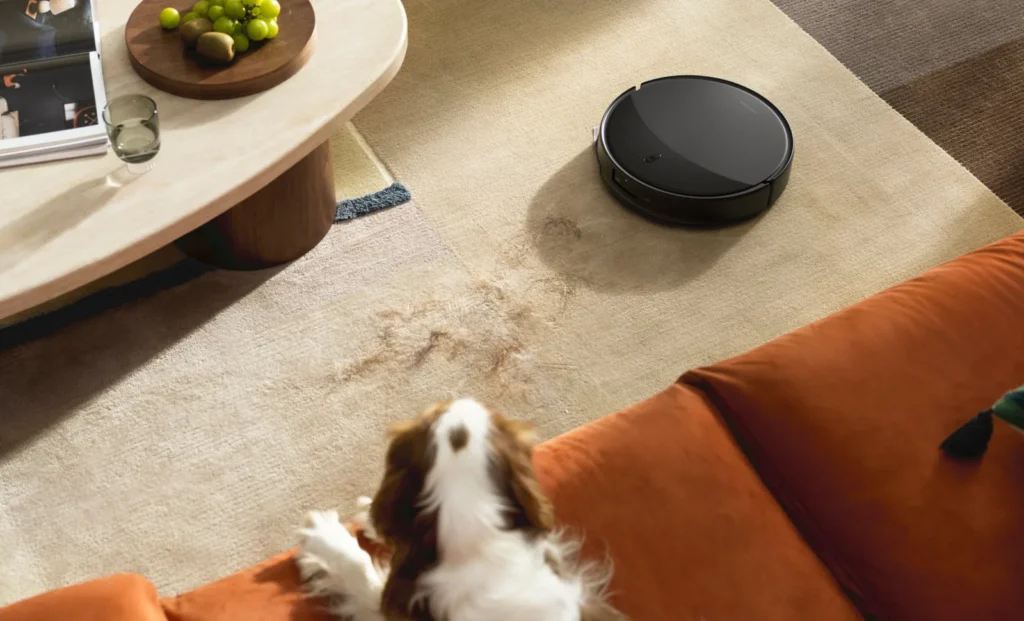
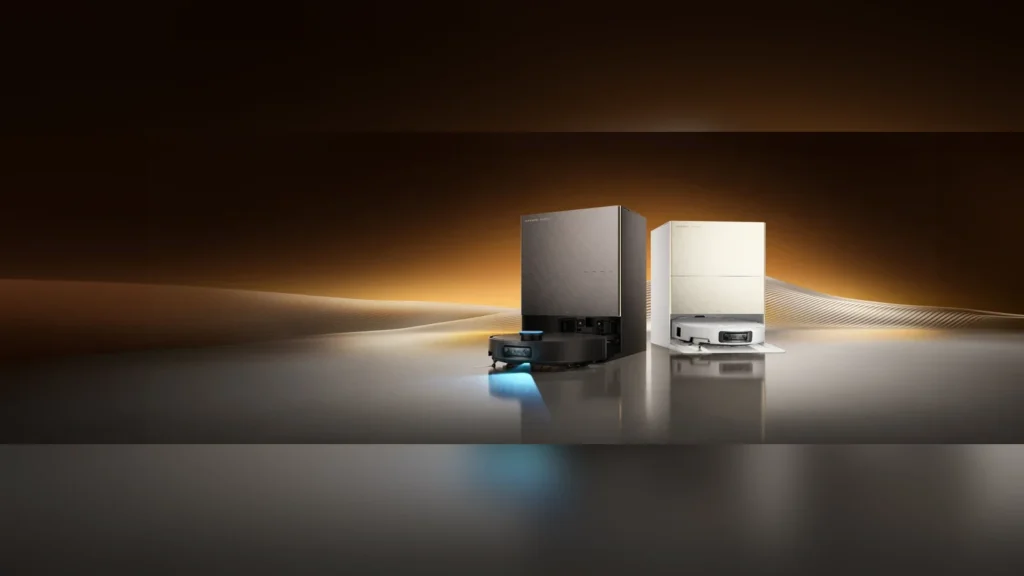
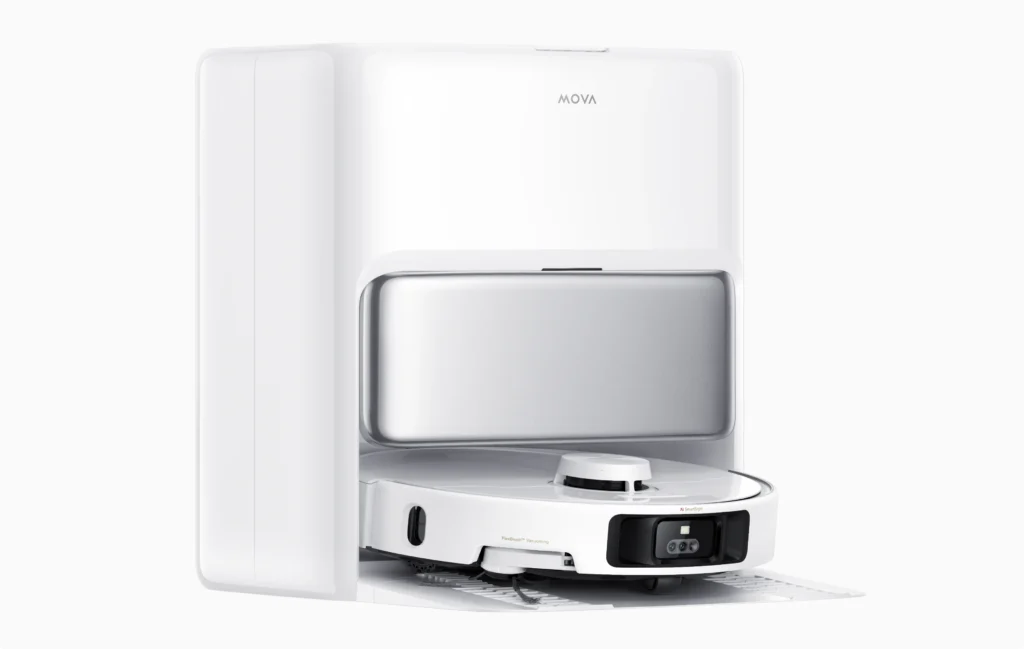
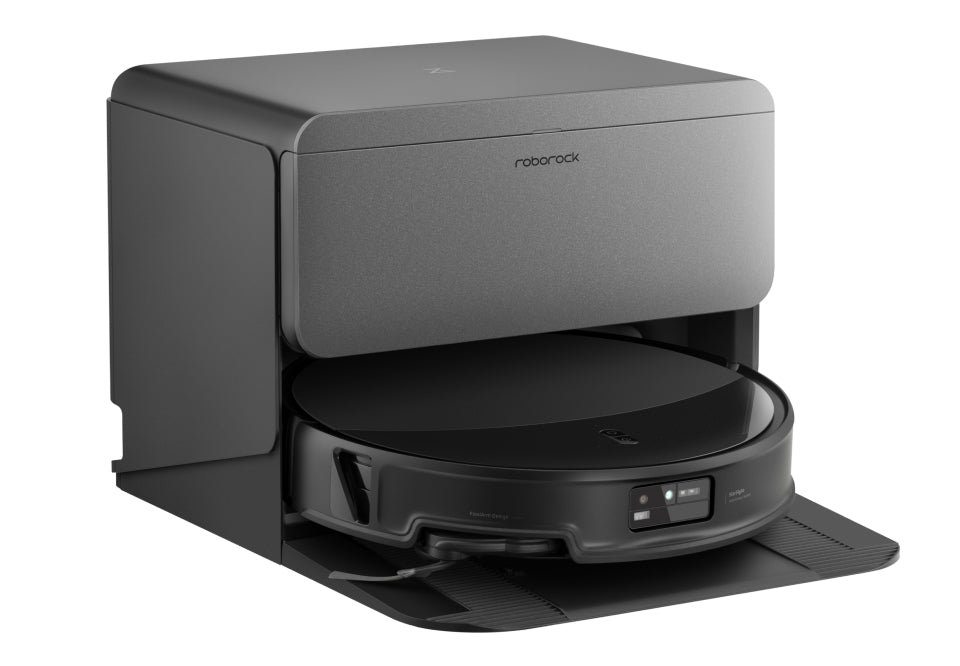
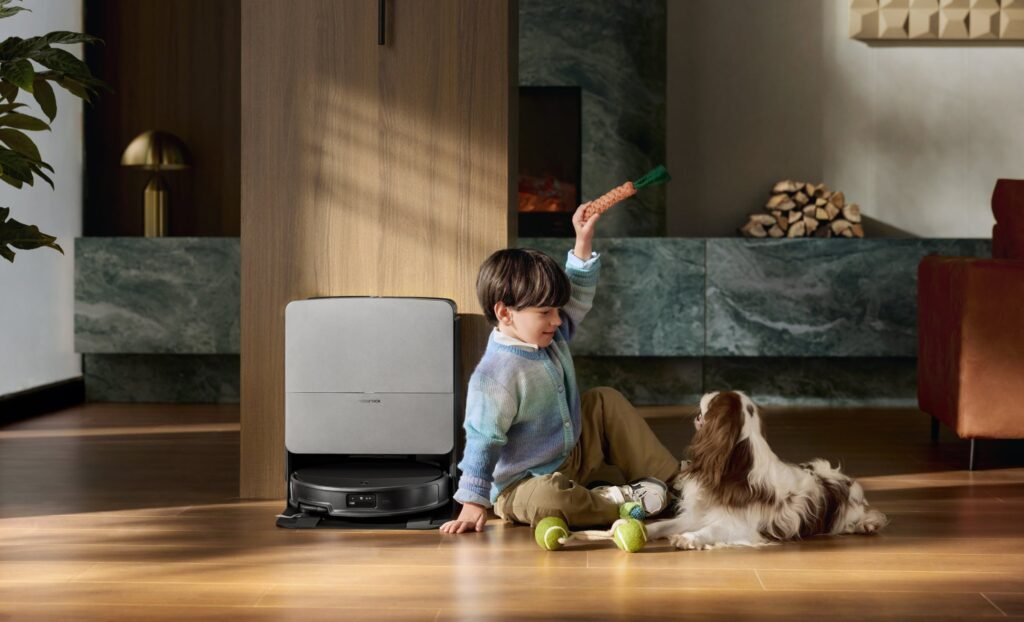
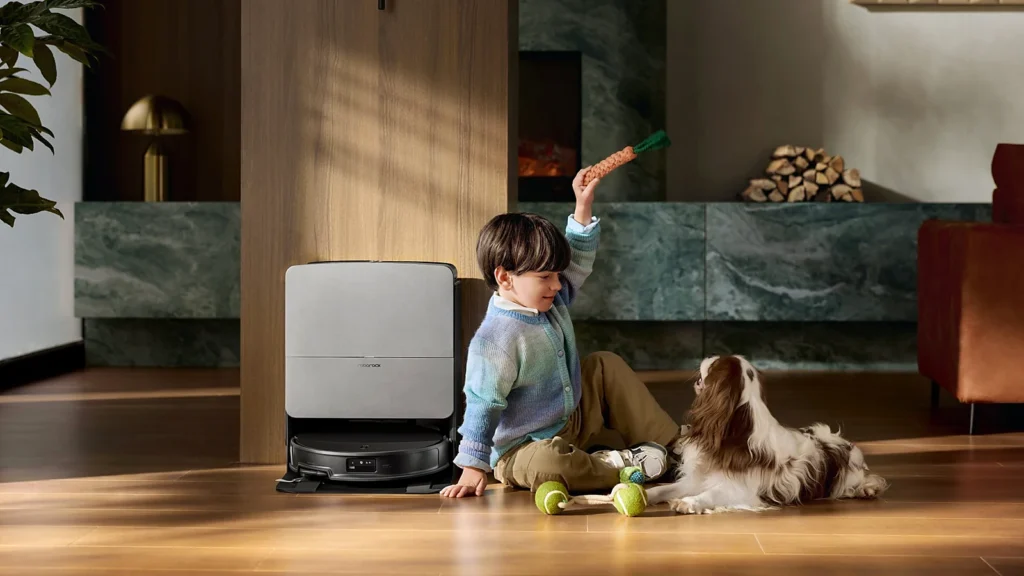
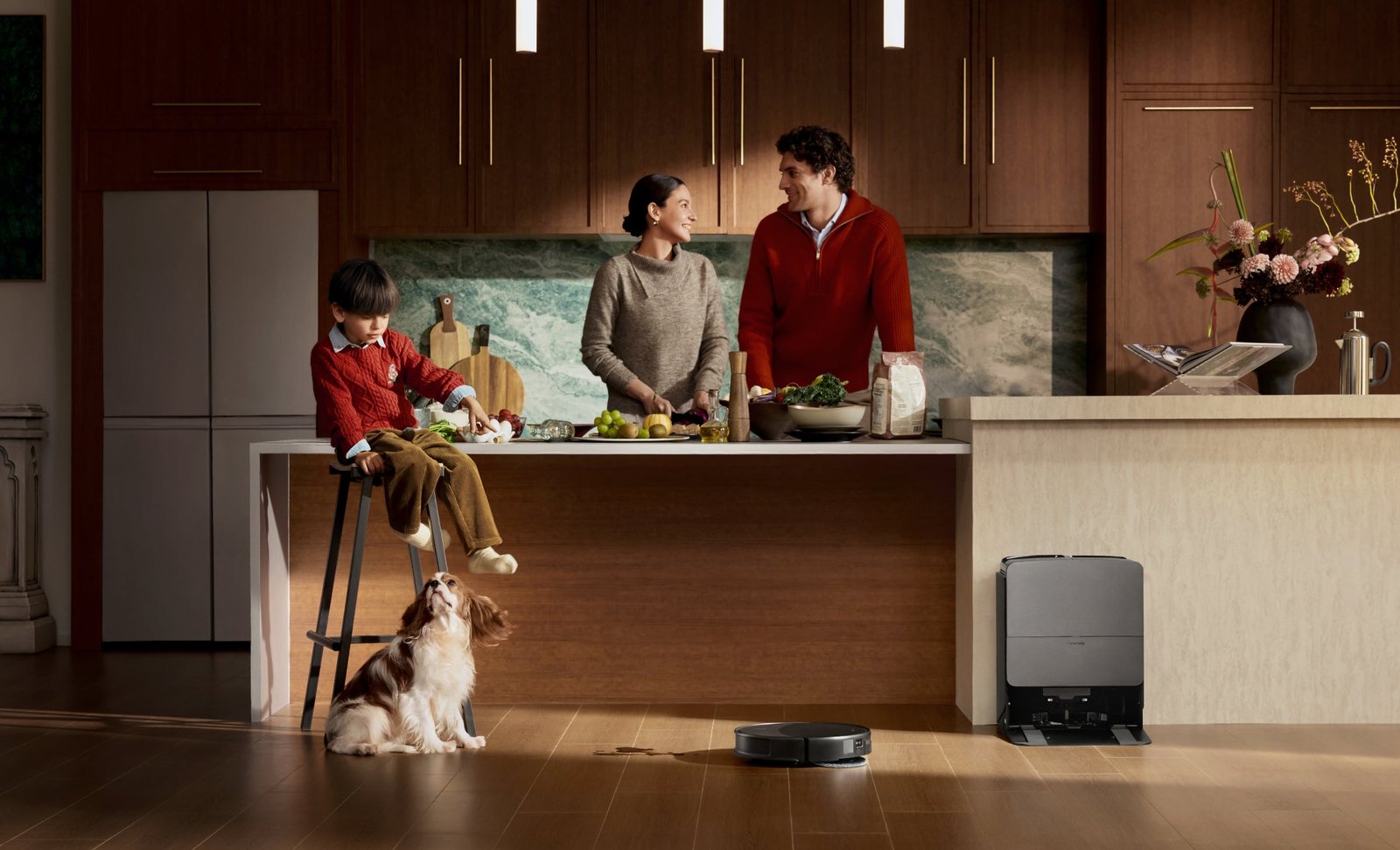
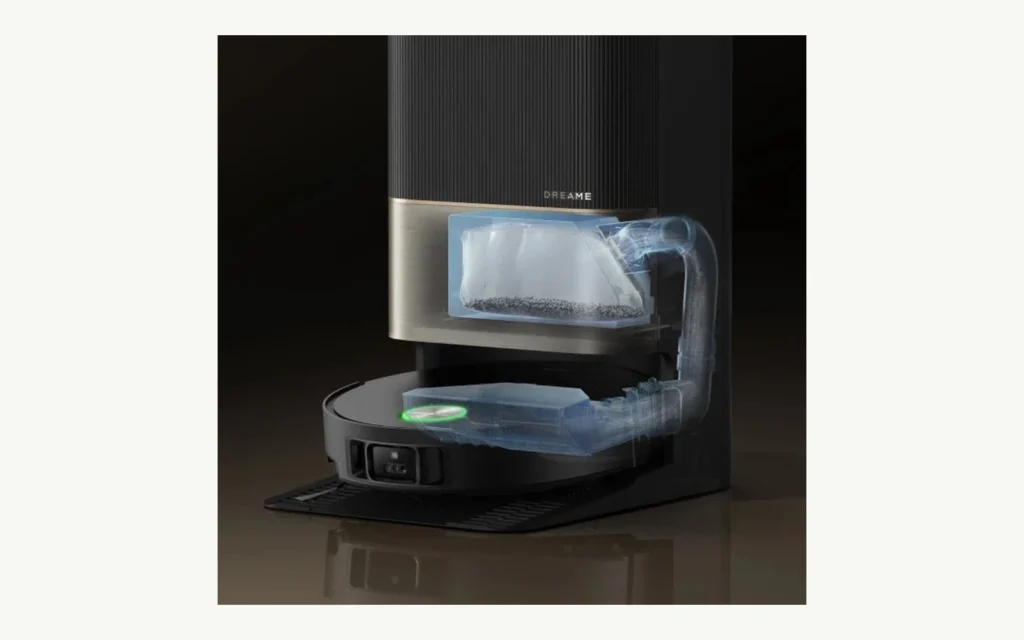
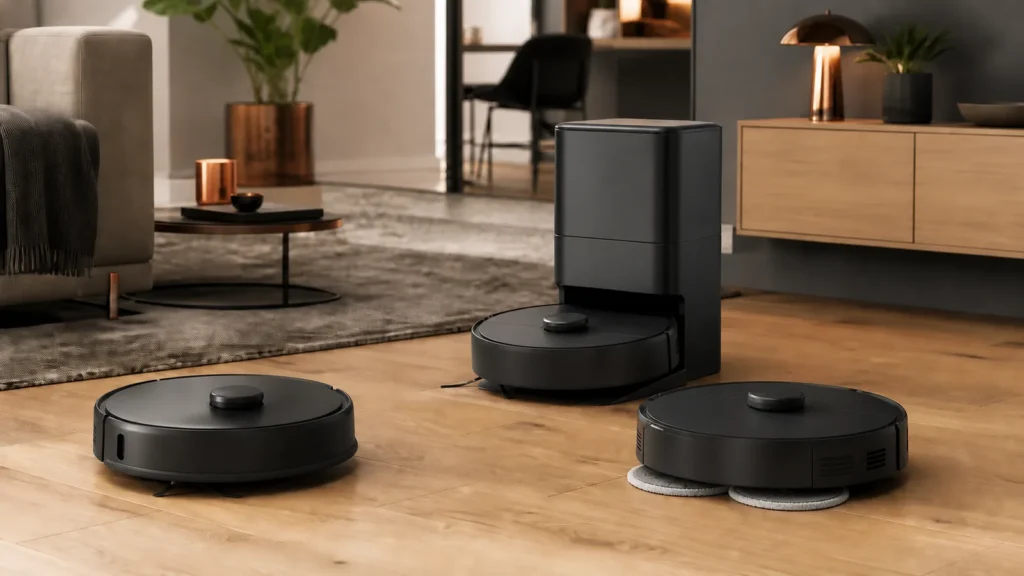
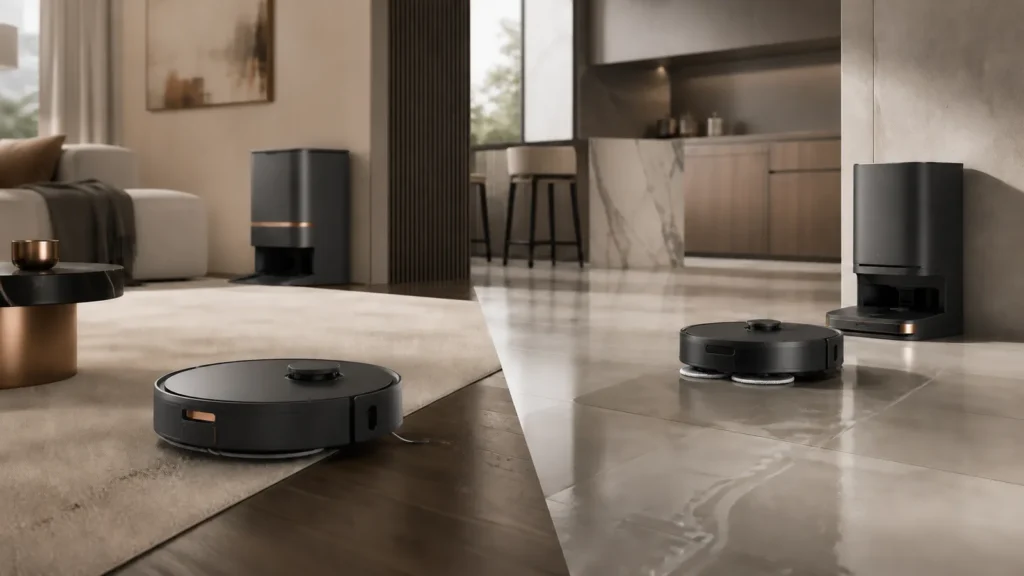
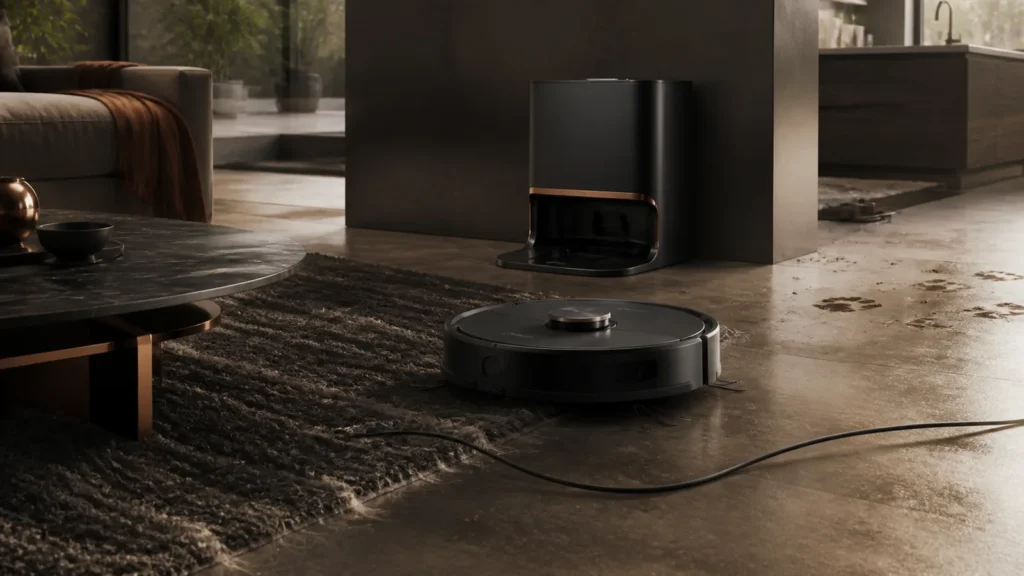
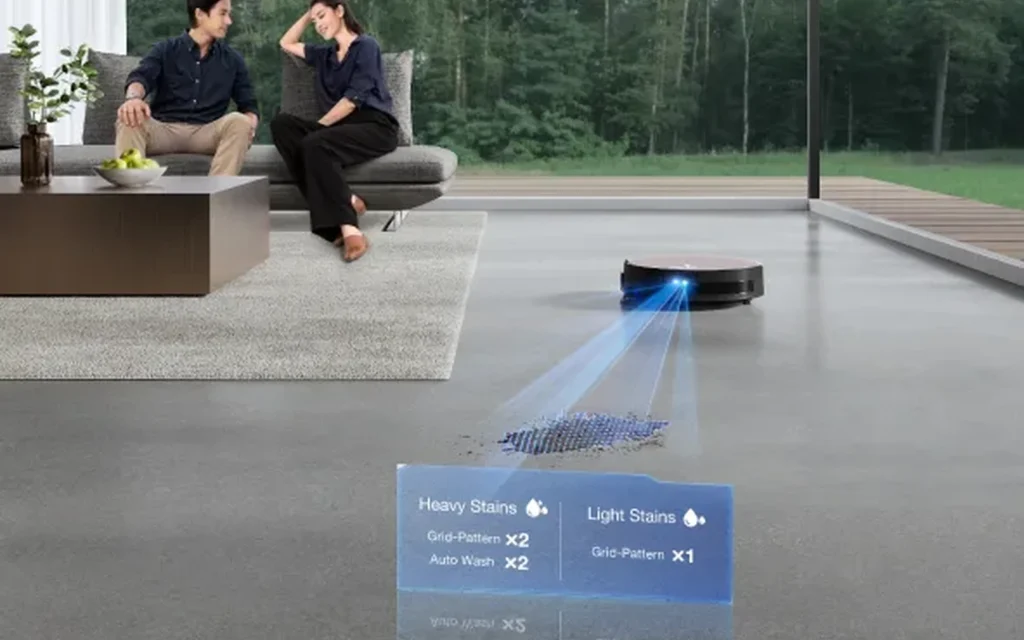
A robot vacuum can map a home, recognise objects with a camera, save obstacle photographs and offer remote video. Those are separate data functions with different controls. Rather than saying every camera is spying,
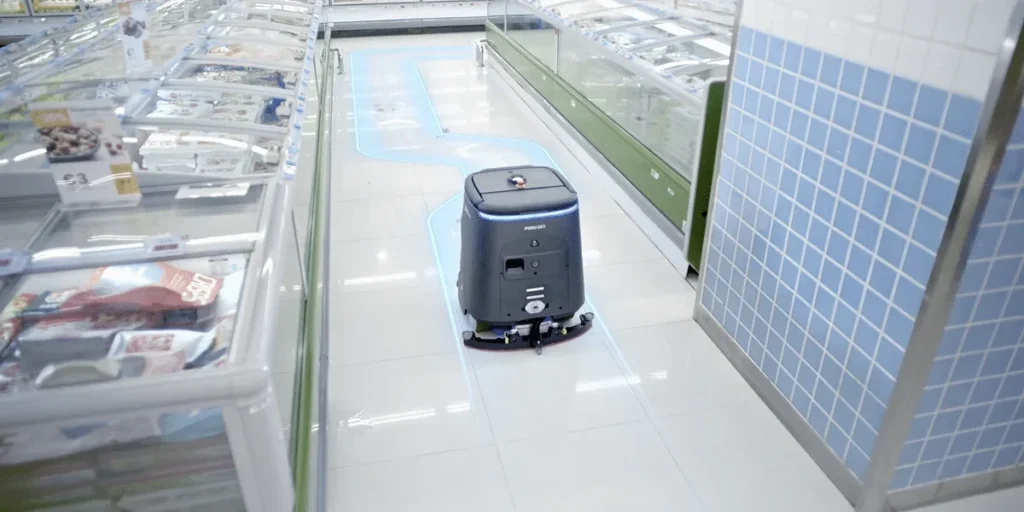
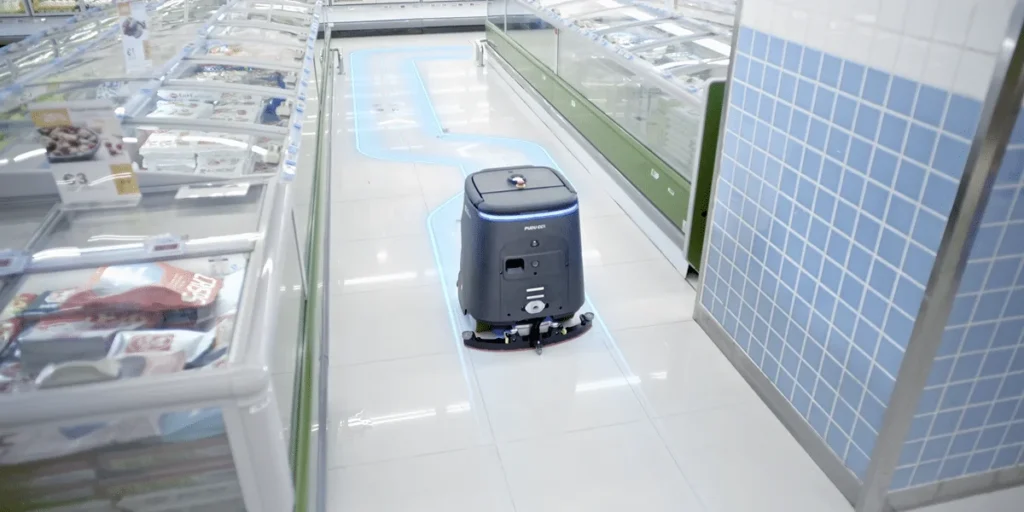
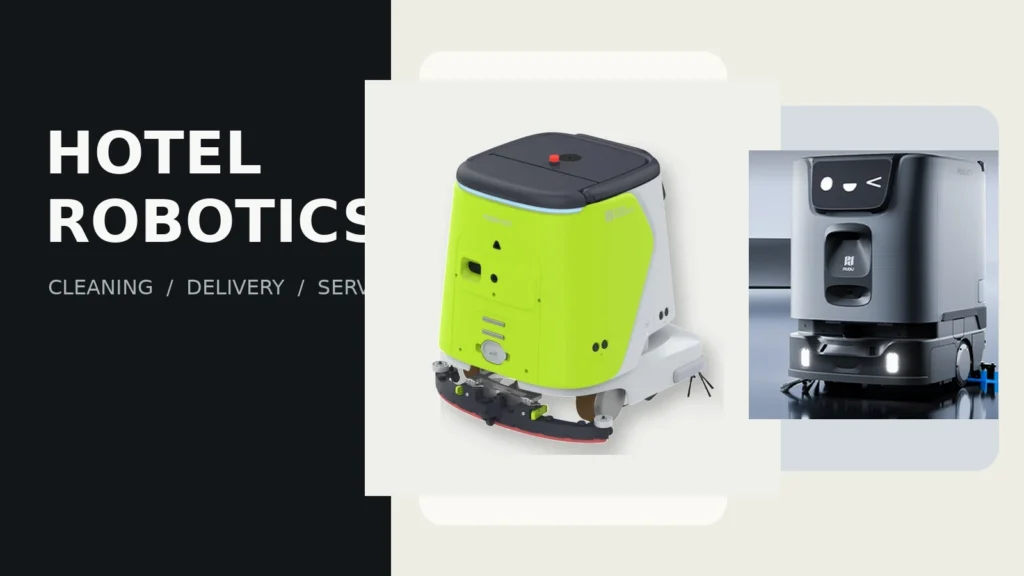
A commercial cleaning robot may claim hundreds of square metres per hour and still be a poor purchase for a specific shop. A credible decision requires an on-site trial measuring floor quality, stops, staff minutes
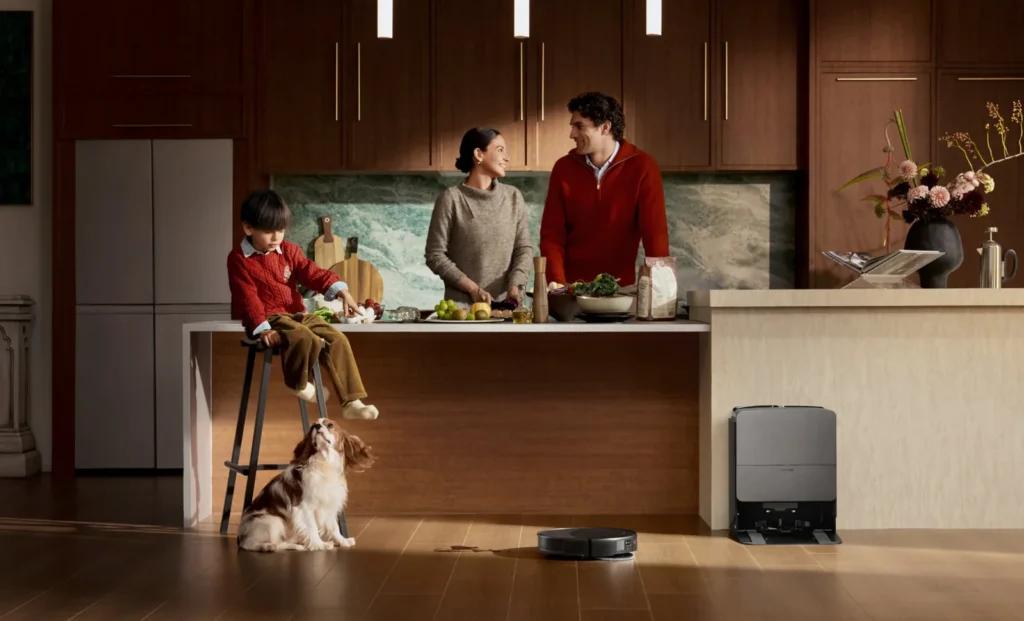
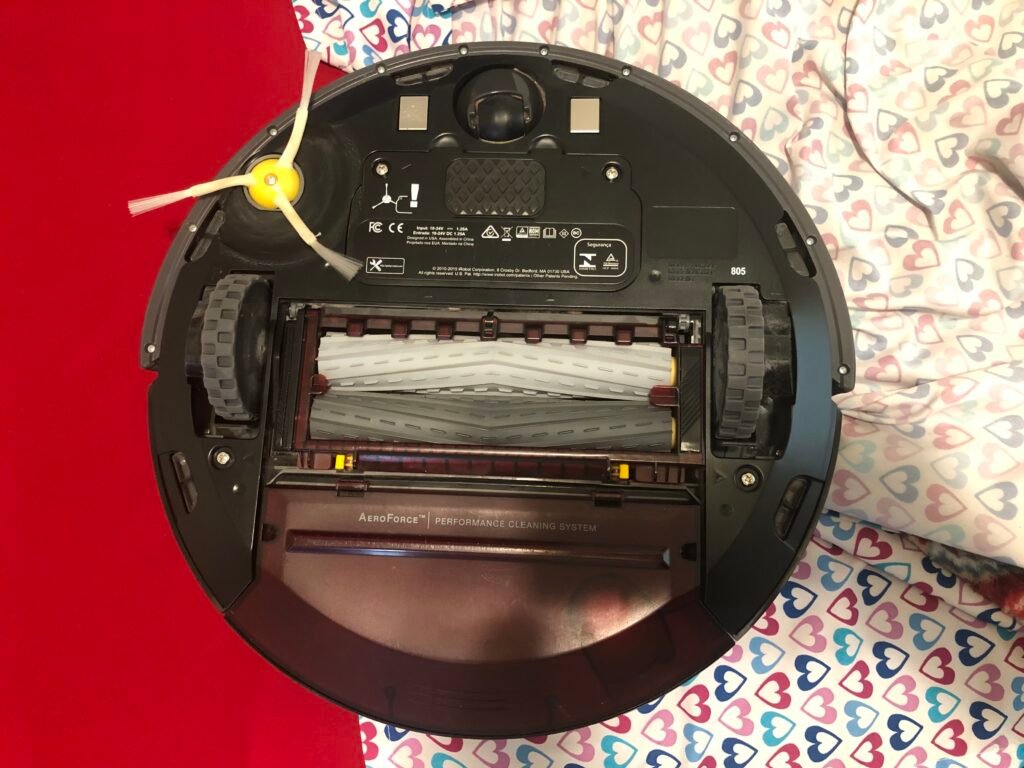
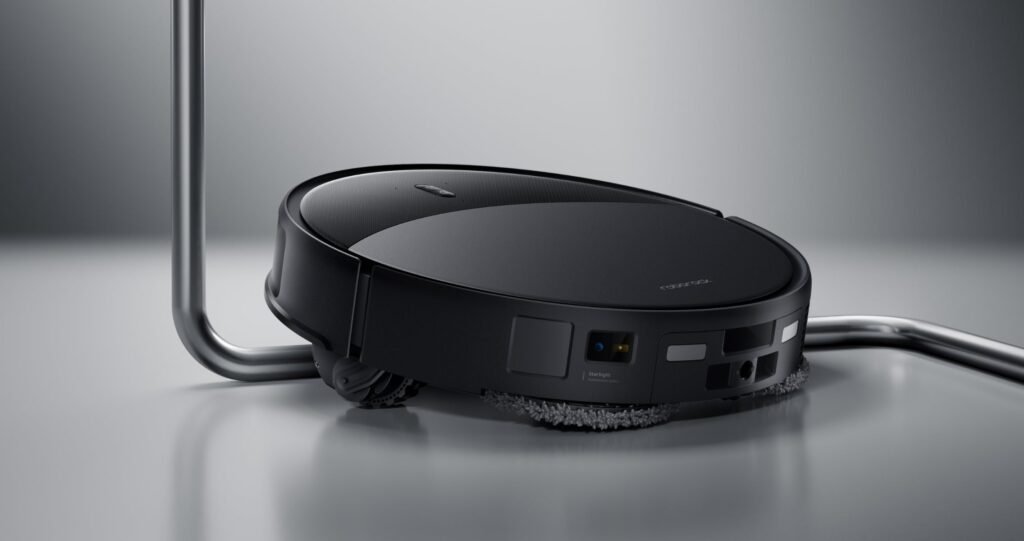
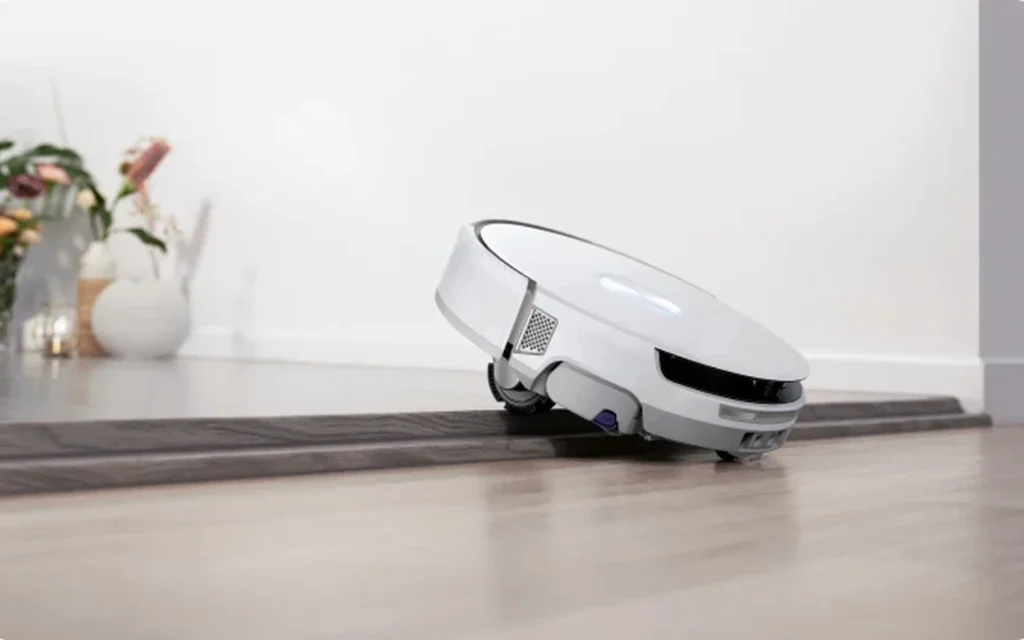
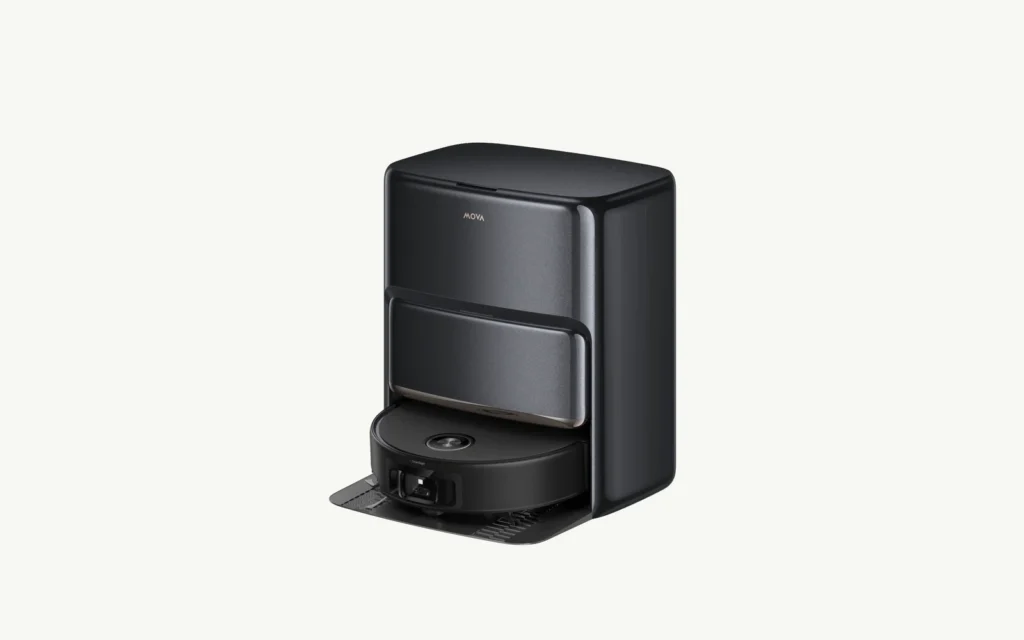
A €500 robot vacuum may cost more to keep running than a pricier model. The sticker price excludes dust bags, filters, mop pads, brushes, approved solution and potential dock repairs. This is a transparent way to es
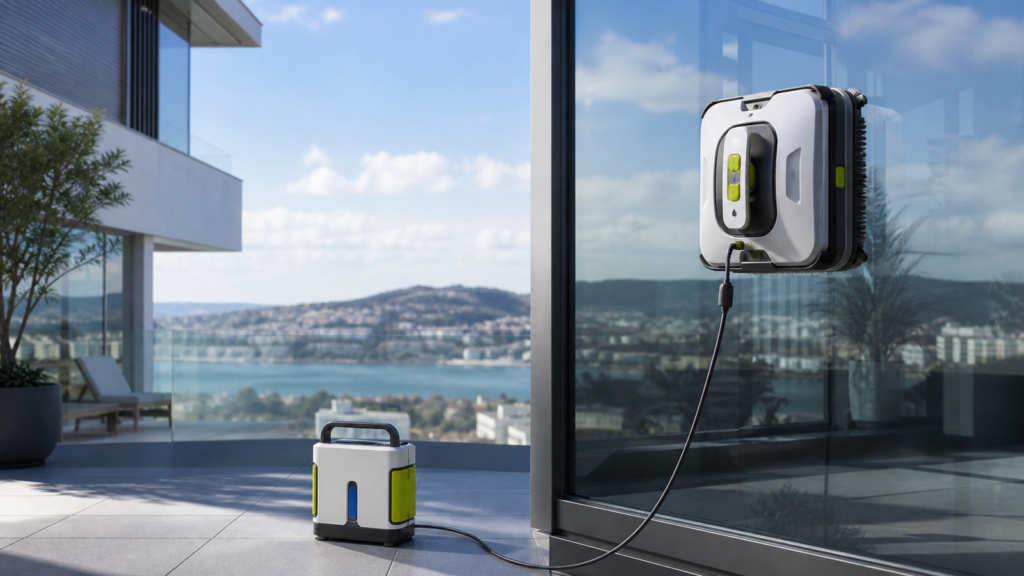
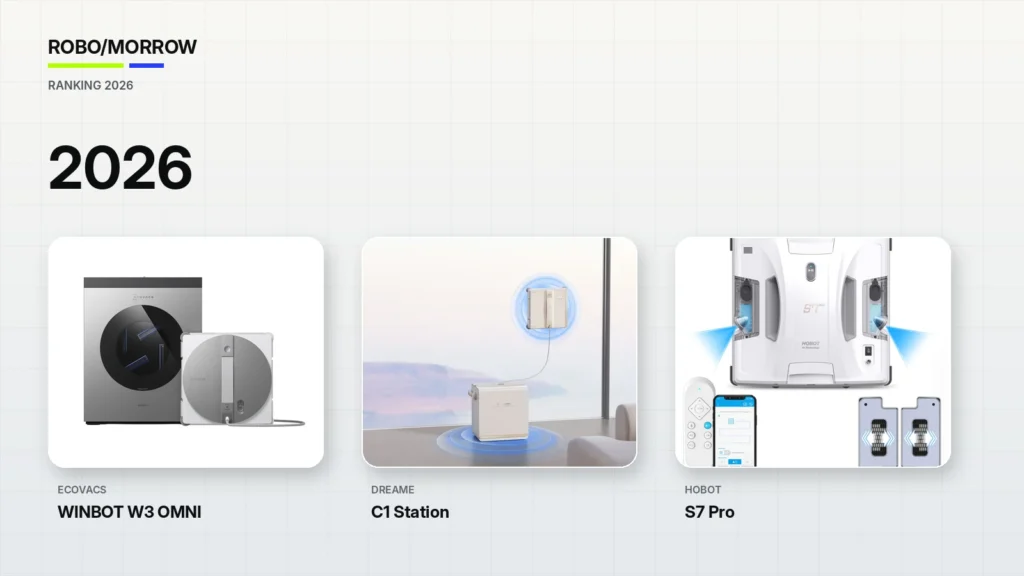
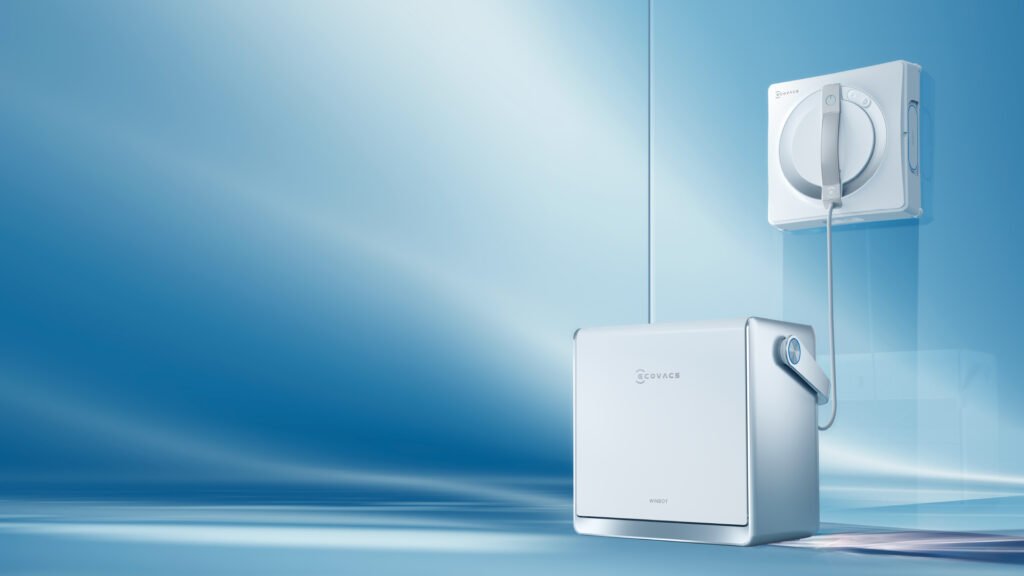
A window-cleaning robot that works well on a vertical pane may be unsuitable for a skylight or roof window. Cold weather, condensation, rain and anchoring add constraints that a conventional “best window robot” rank
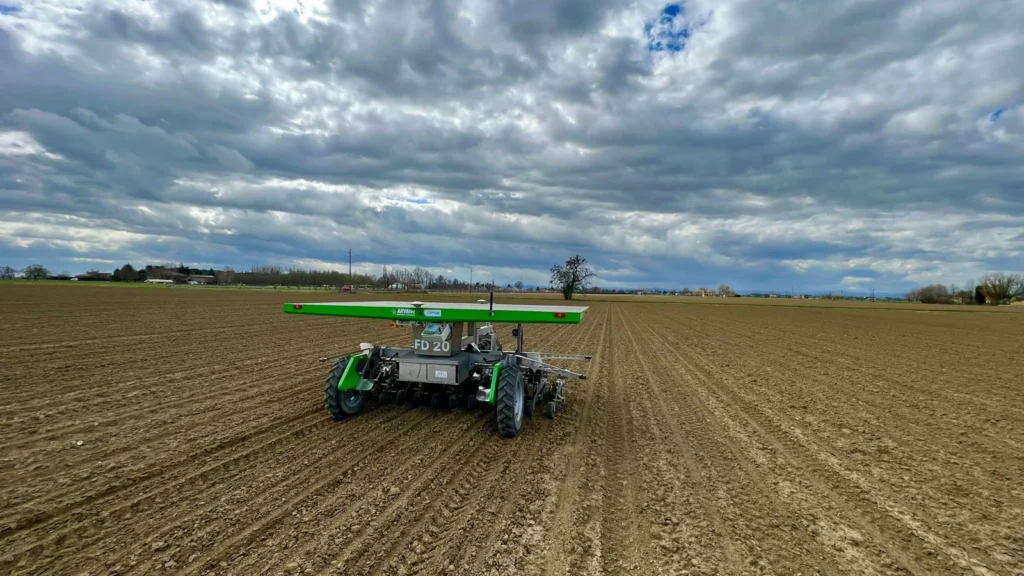
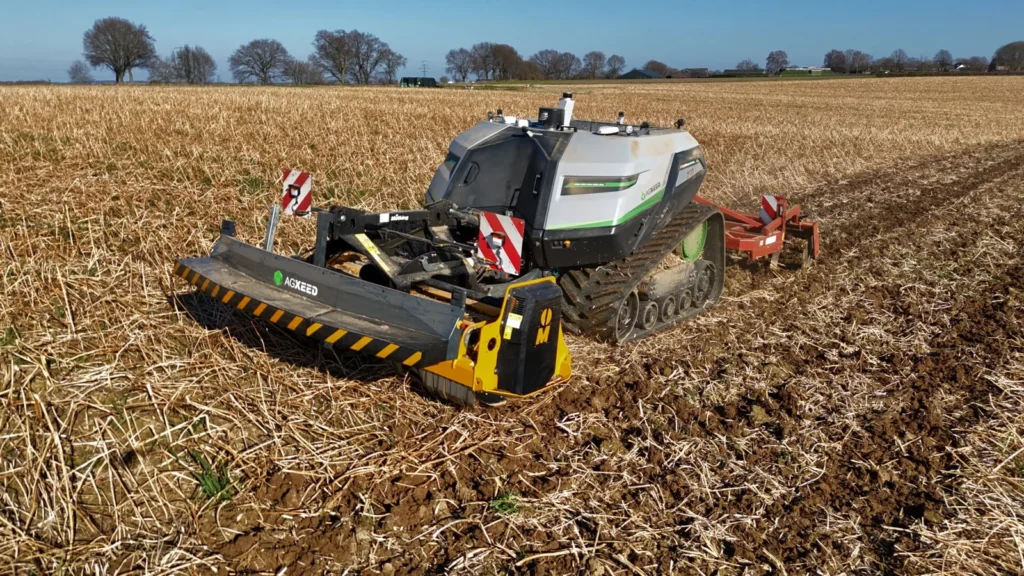
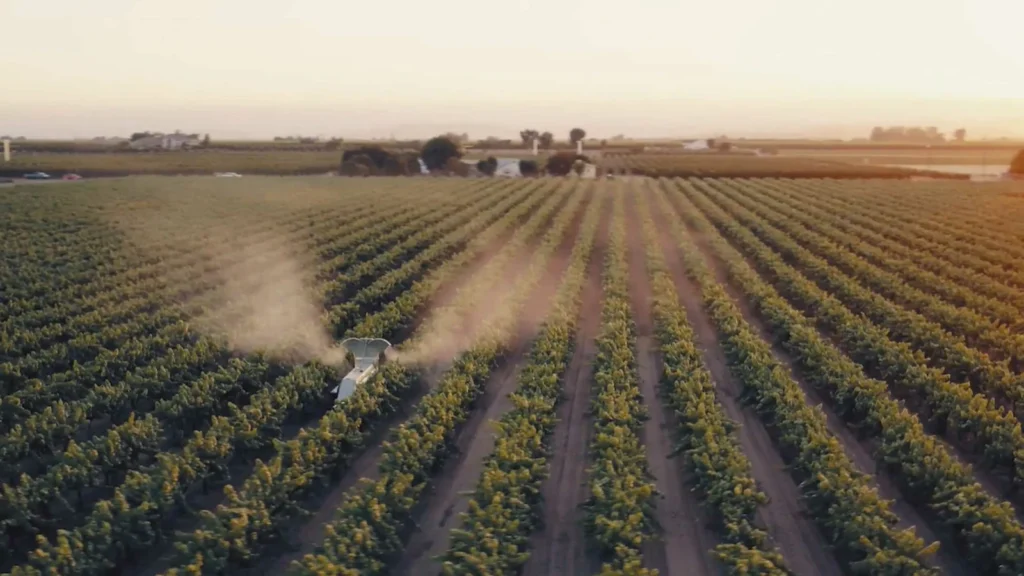
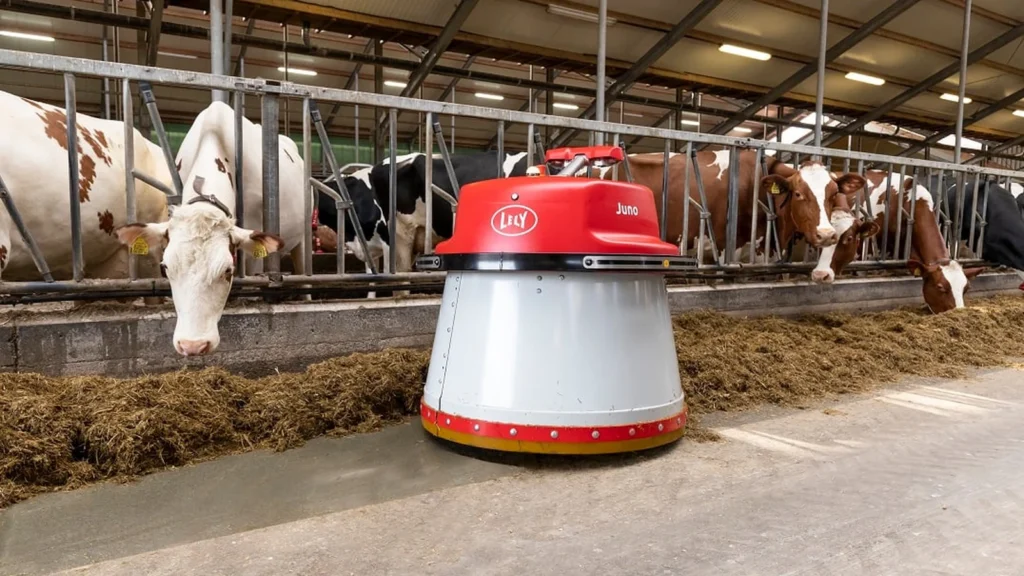
Farm robots already have Polish and European sales routes, but not every autonomy announcement is deployable today. Updated 18 Sep 2026 with availability, service and AGRO SHOW verification points.
How FarmDroid FD20 uses recorded seed positions for mechanical weeding. Explore seasonal workload, regional support and the FD60 delivery announcement.
Check buttons, docking, schedules and maps without internet. Separate an outage from a home without Wi-Fi and test functions without resetting your robot.
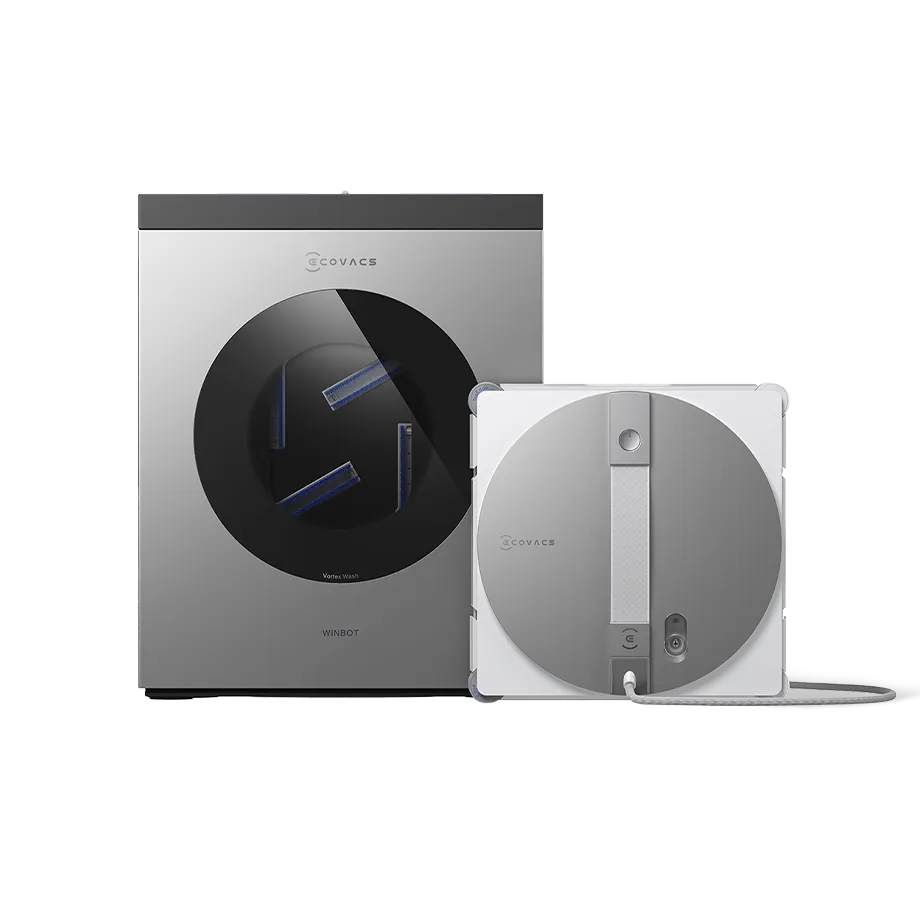
Measure each pane between muntins. Check model-specific minimum dimensions, obstacles, access and the number of transfers before buying a window robot.
Is your robot lost, unable to dock or not charging? Identify the failing stage, check the route and base, and collect useful evidence before resetting.
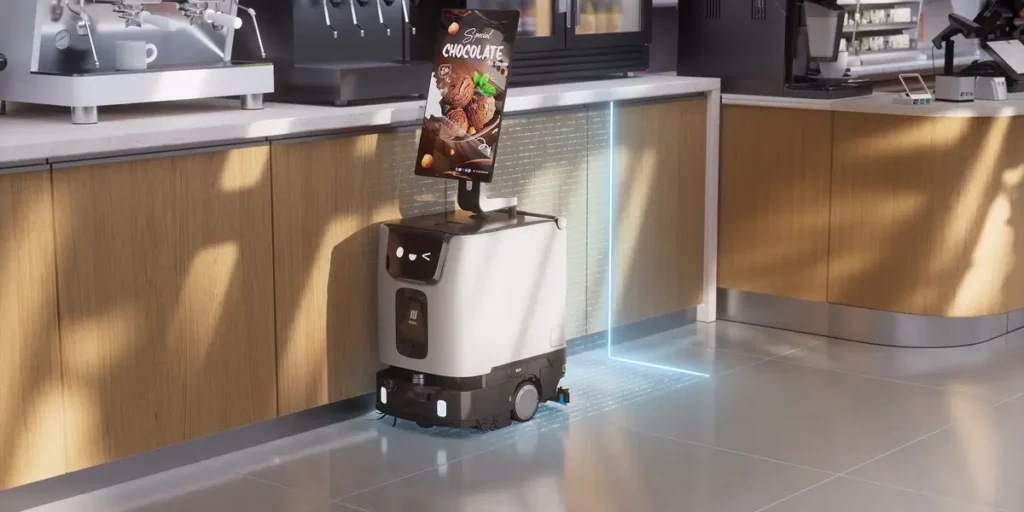
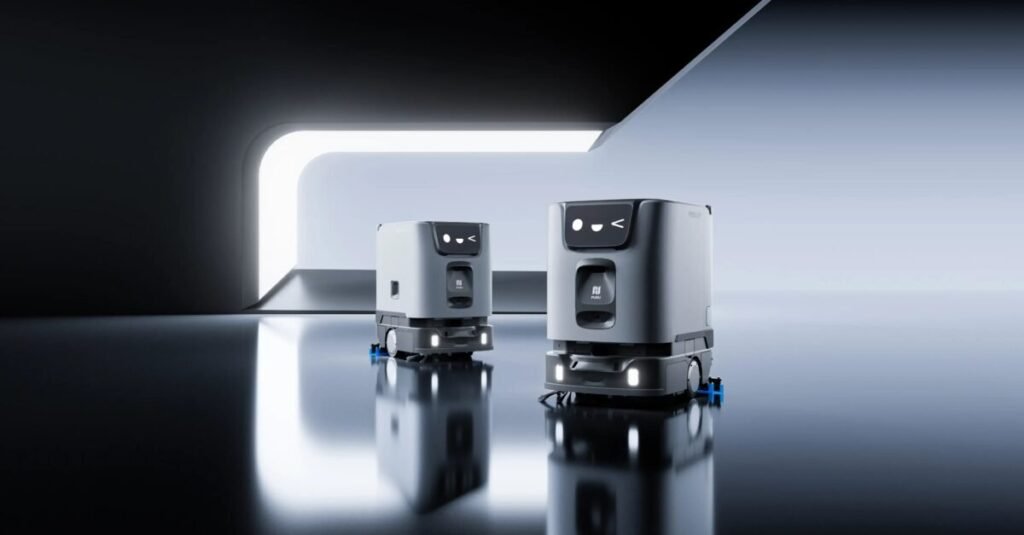
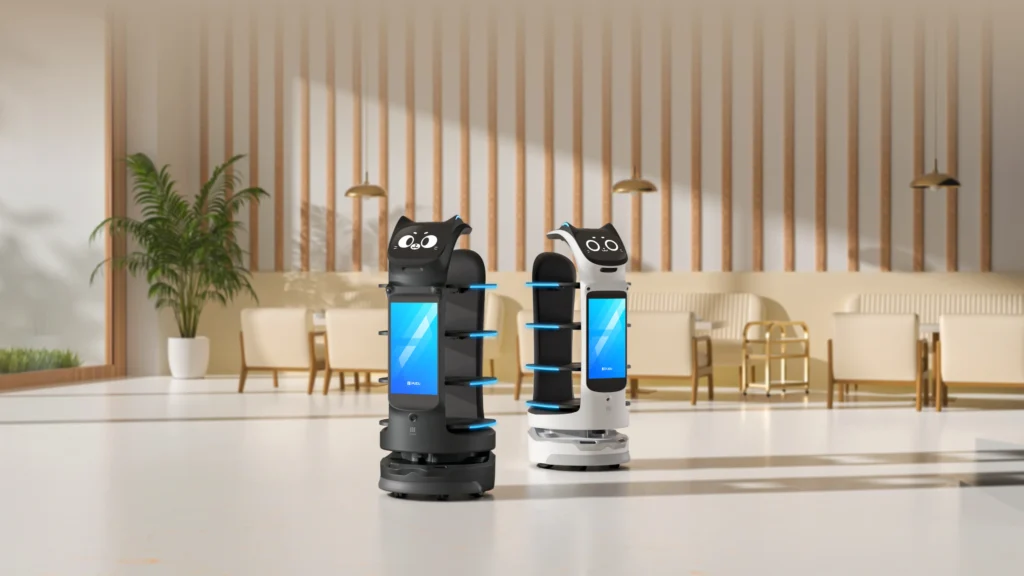
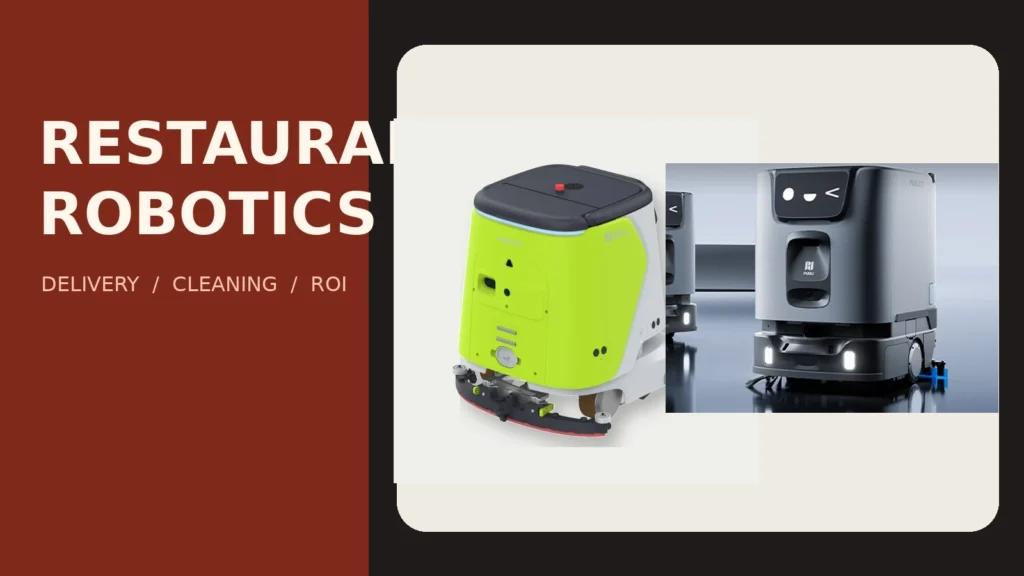
A waiter robot can automate repetitive transport without replacing hospitality staff. How to calculate cost, TCO and ROI using PUDU and KEENON as examples.
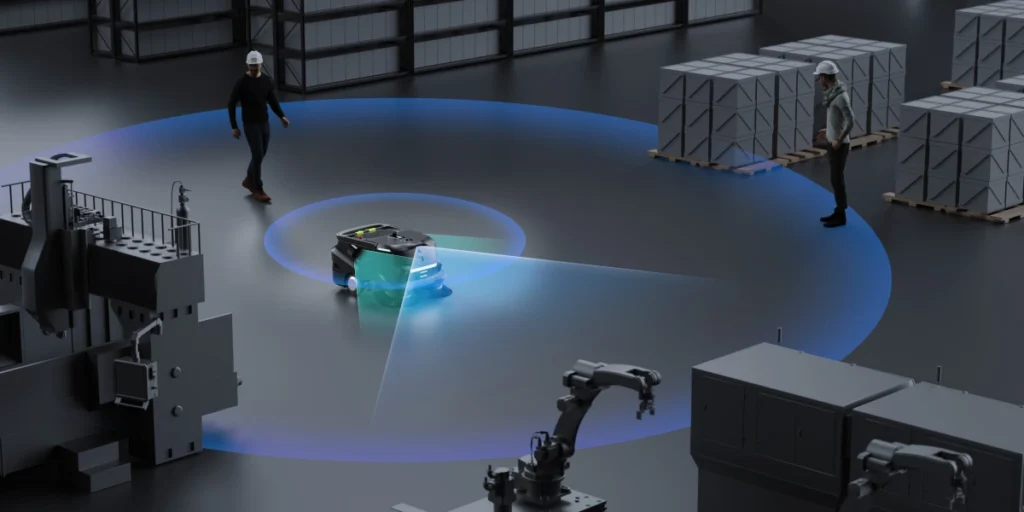
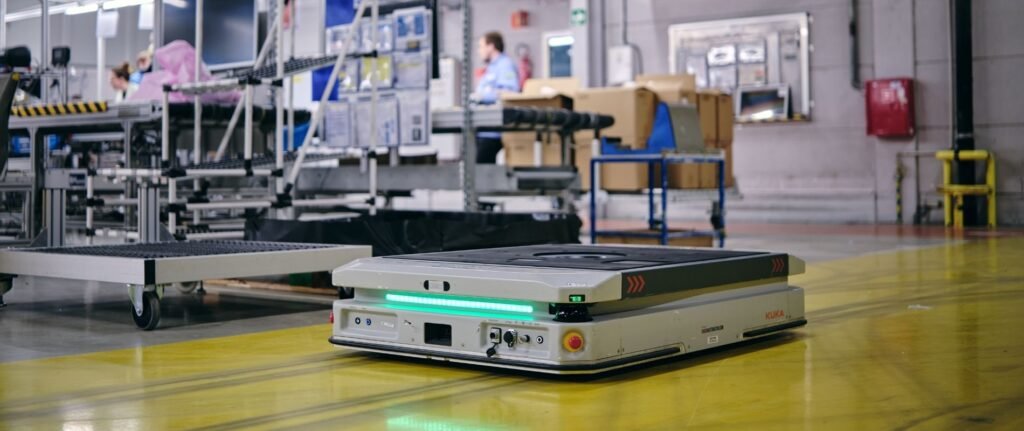
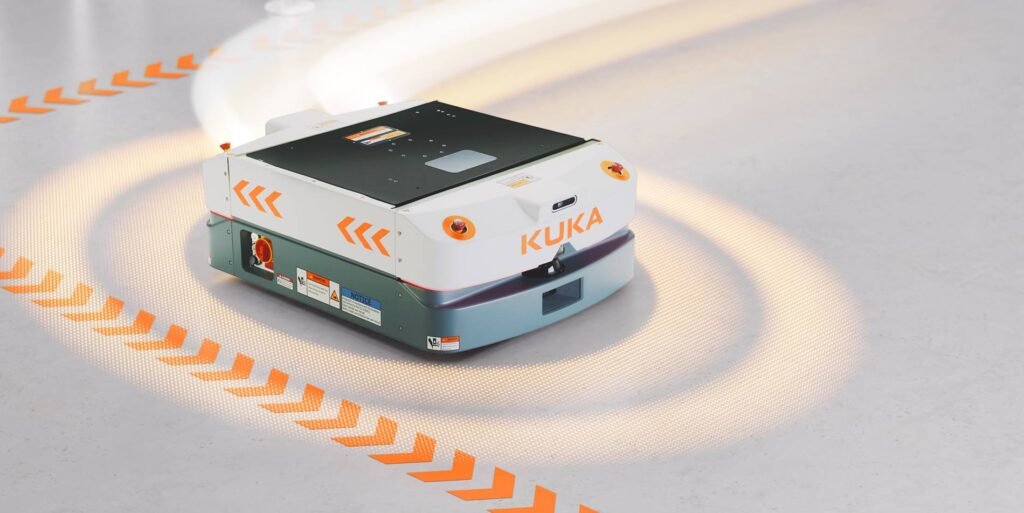
Pallet transport robots: AMR platform, autonomous pallet jack or forklift? A practical 2026 guide to TCO, ROI, WMS/MES/ERP integration, safety and VDA 5050.
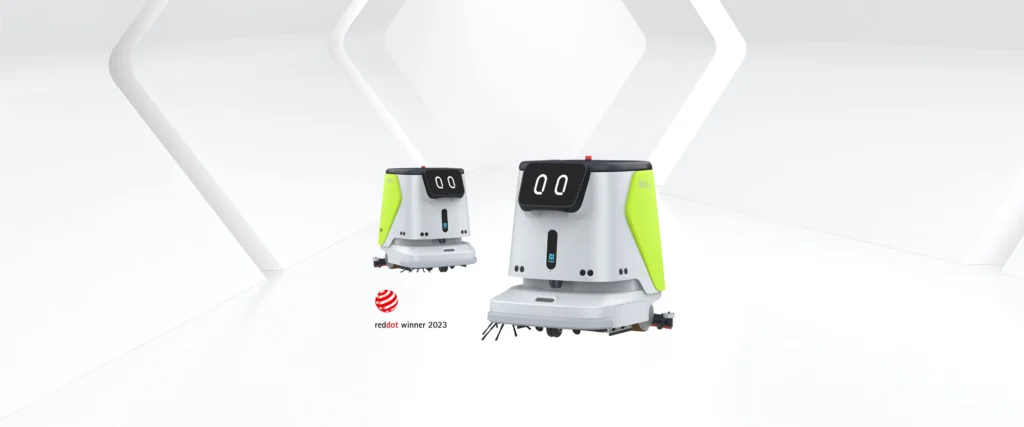
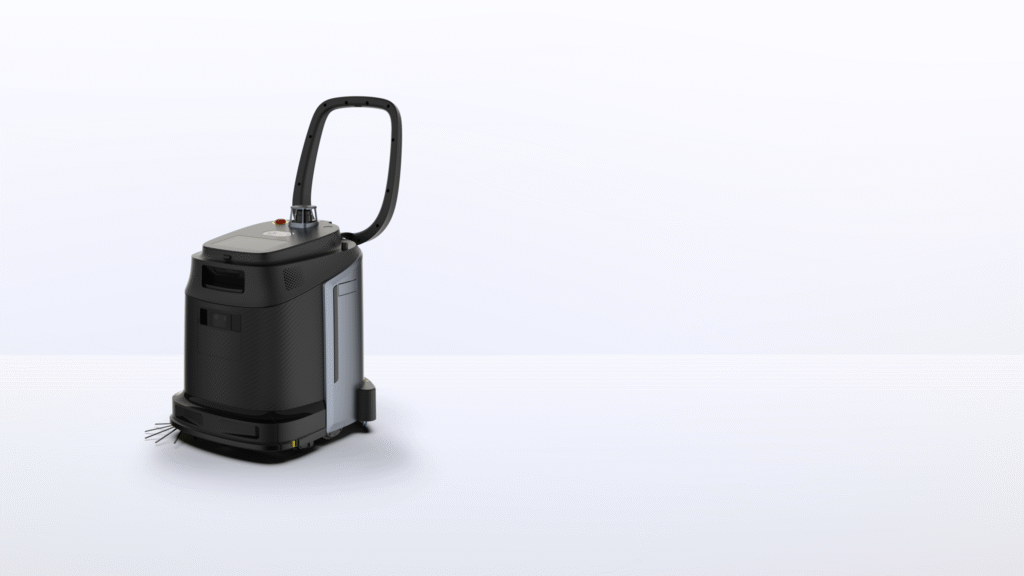
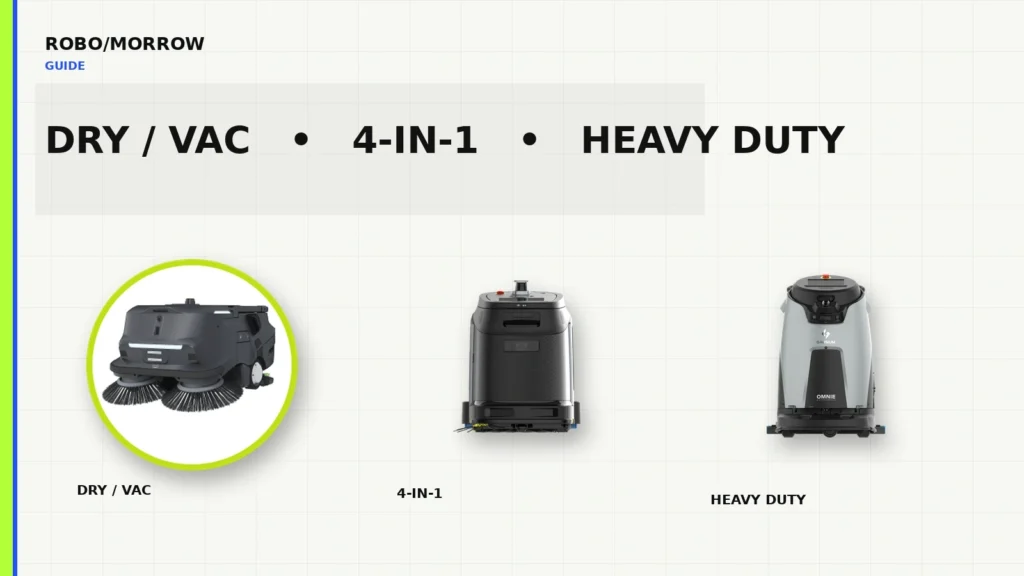
A practical guide to choosing the right commercial cleaning robot architecture: 4-in-1, autonomous scrubber, dry vacuum or sweeper. Floors, soil, water, geometry and service.
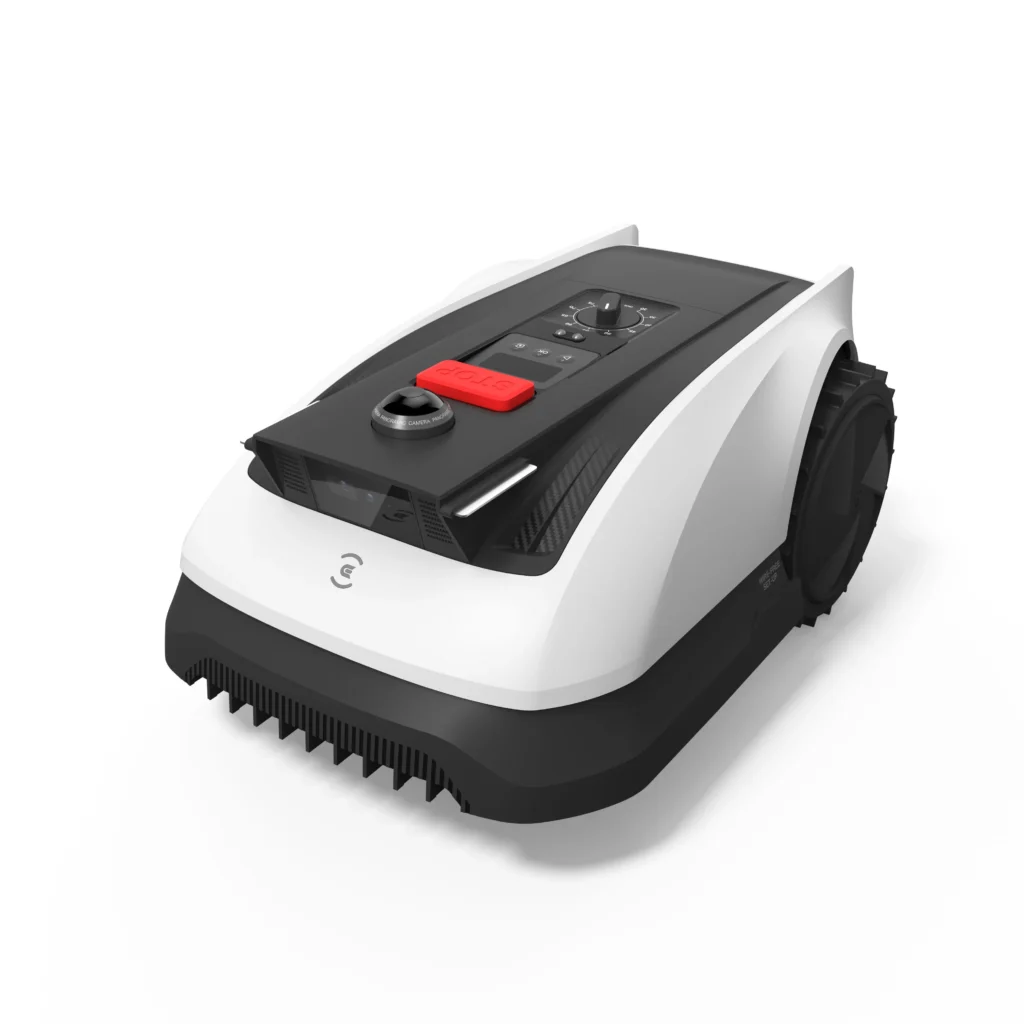
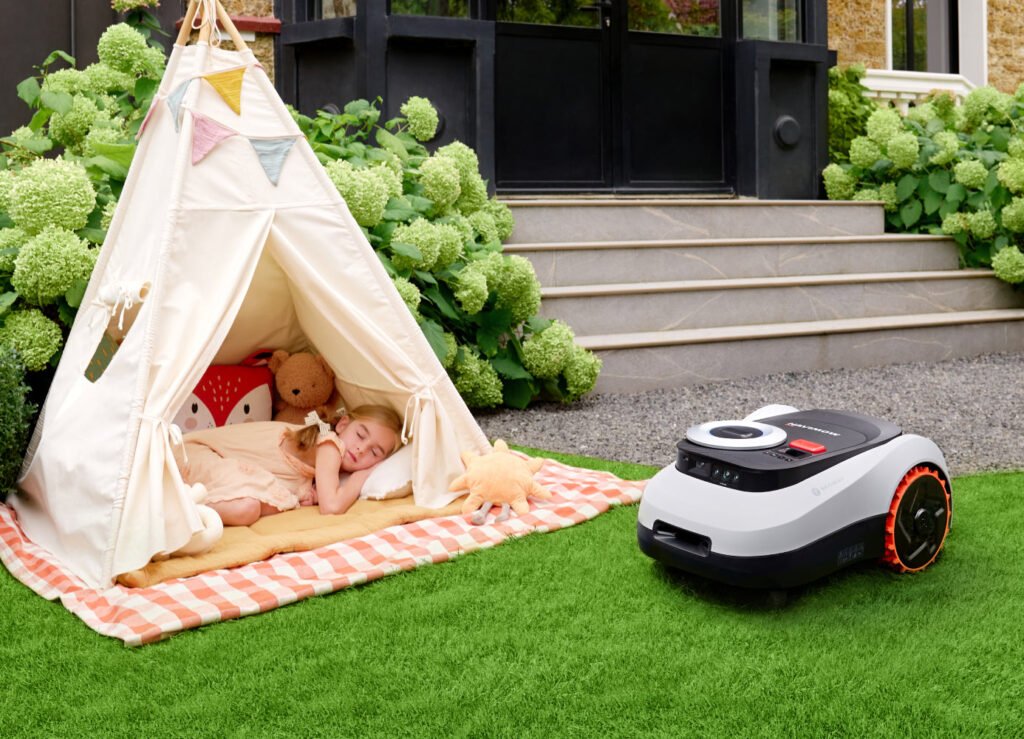
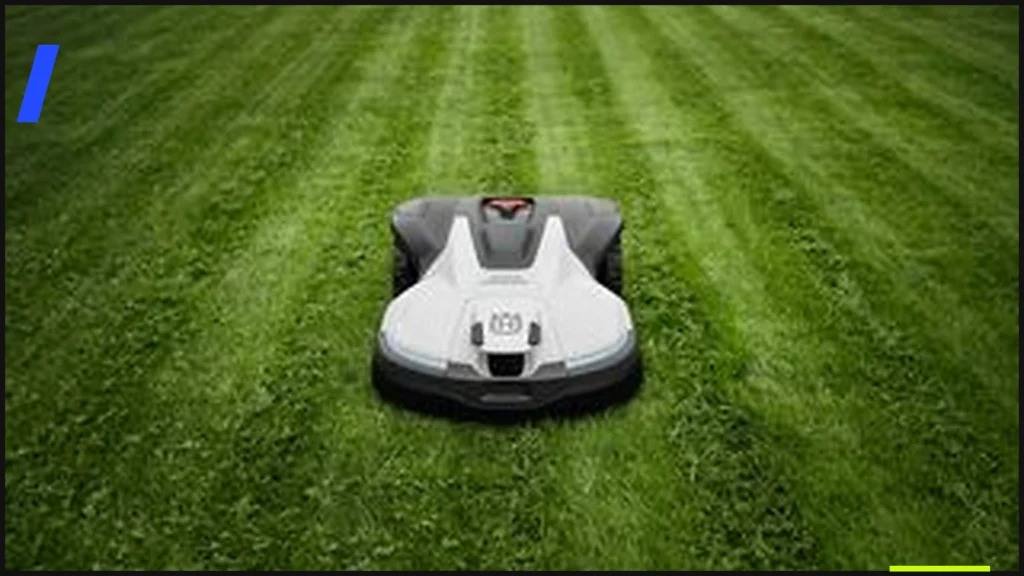
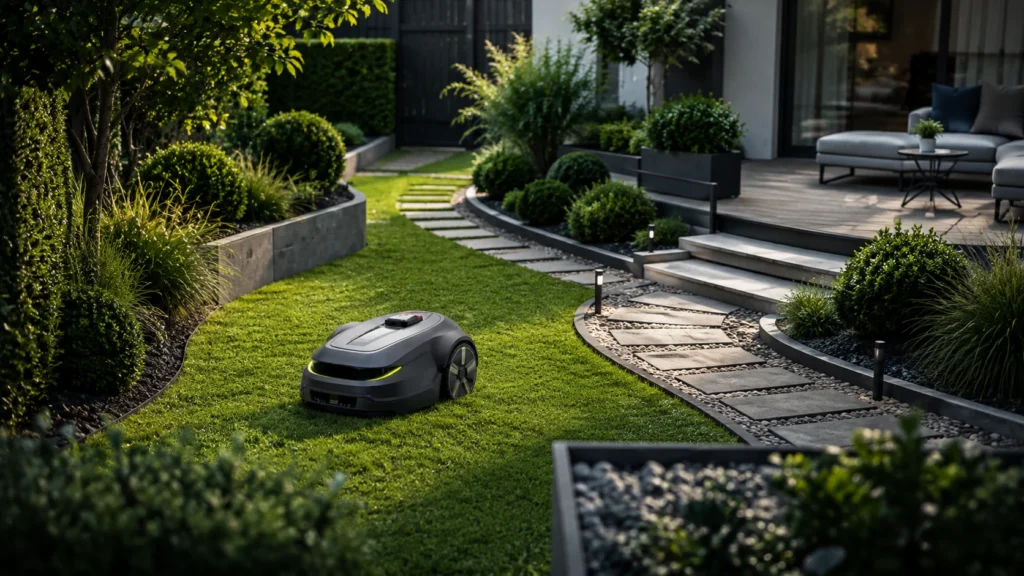
For a lawn of approximately 2000 m², not only the declared area is important, but also the charging time, the number of zones, terrain and resistance to signal loss.
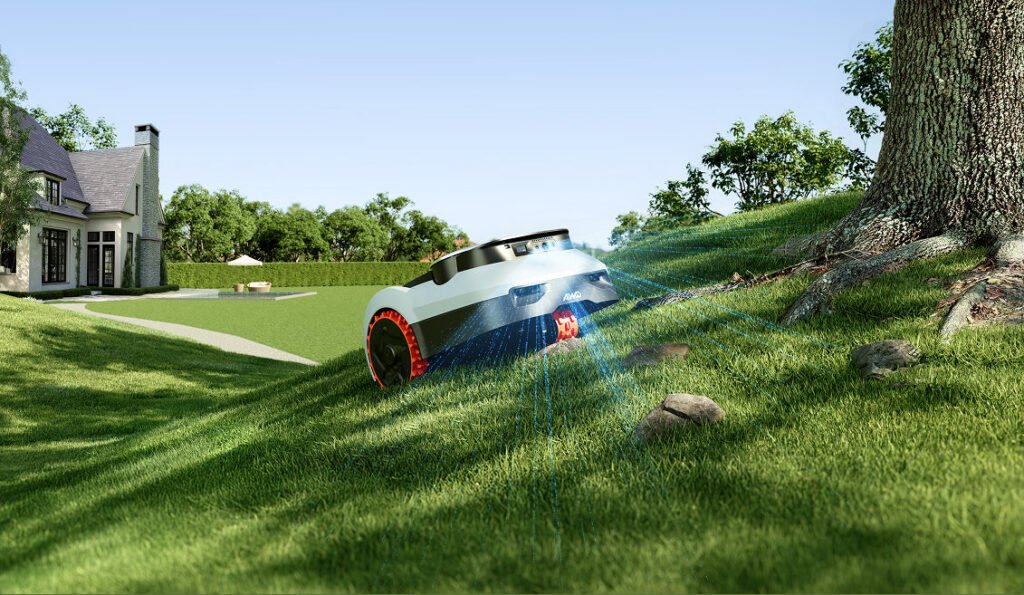
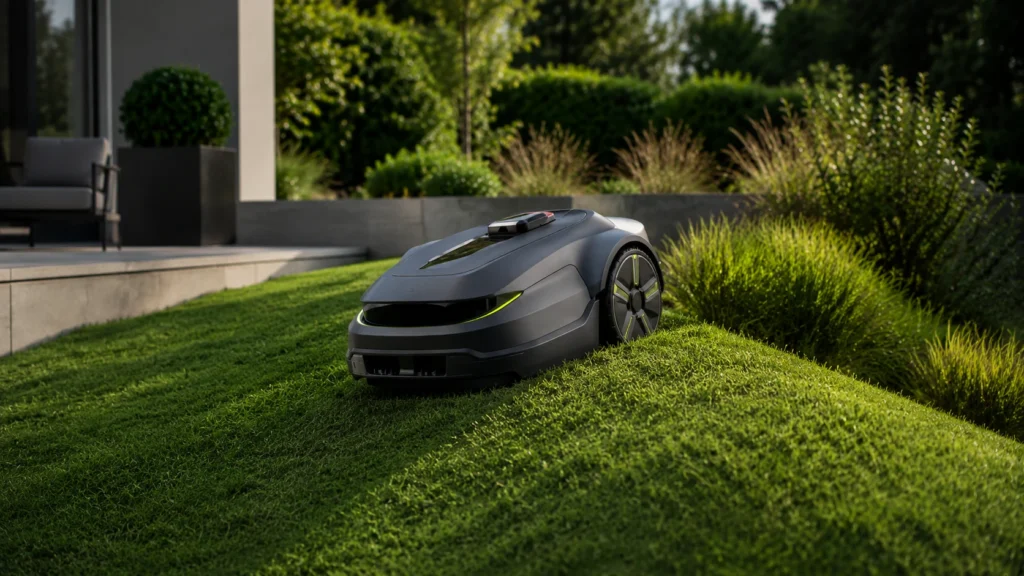
On an uneven lawn, it's not just the maximum slope that matters. We explain the importance of ground clearance, geometry, wheels, AWD and turning method.
A robotic mower doesn't always pay for itself in cash, but it can get you back dozens of hours. We show a simple model for calculating the cost of ownership and savings.
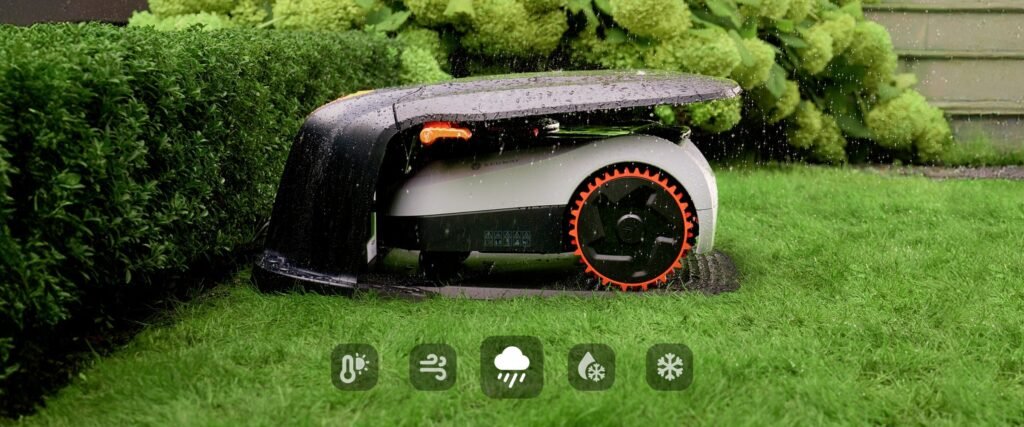
Water resistance does not mean that mowing during every downpour is good for your lawn. We explain the impact of rain on traction, sensors and performance.
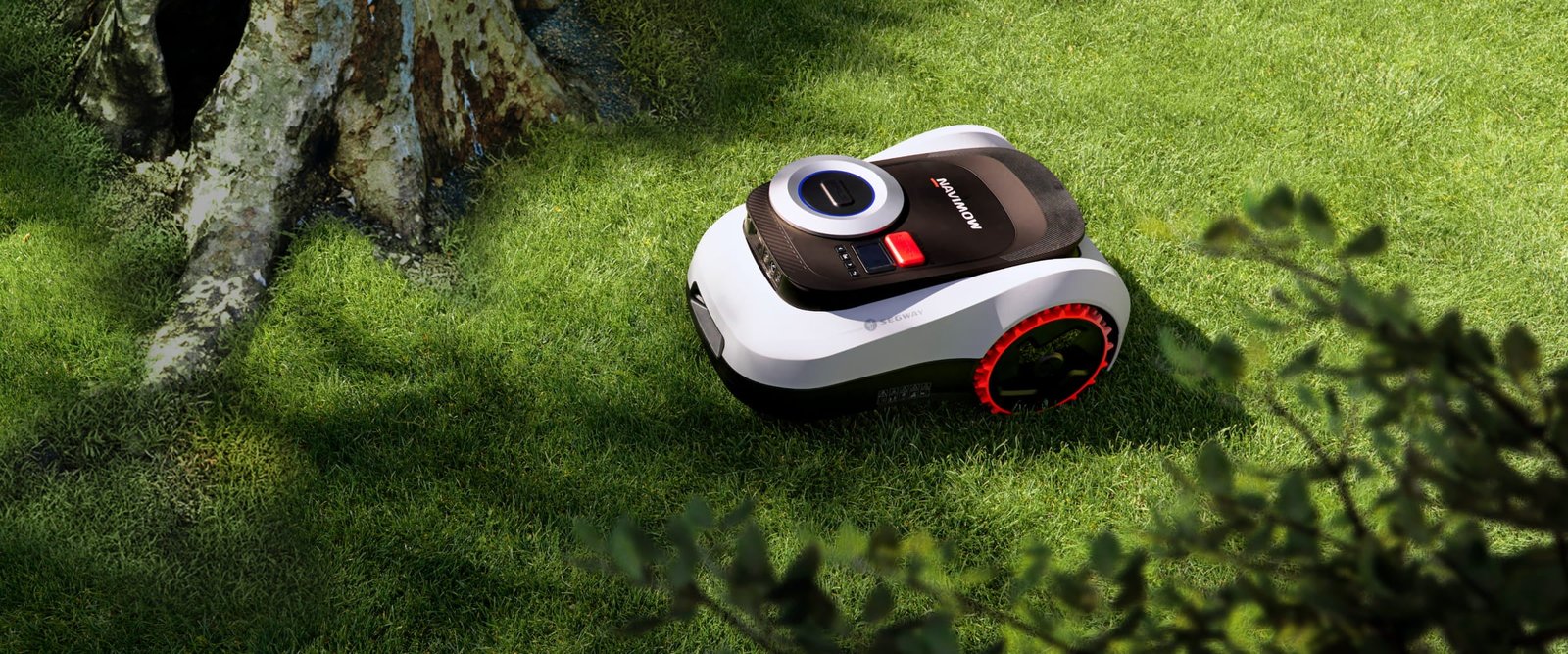
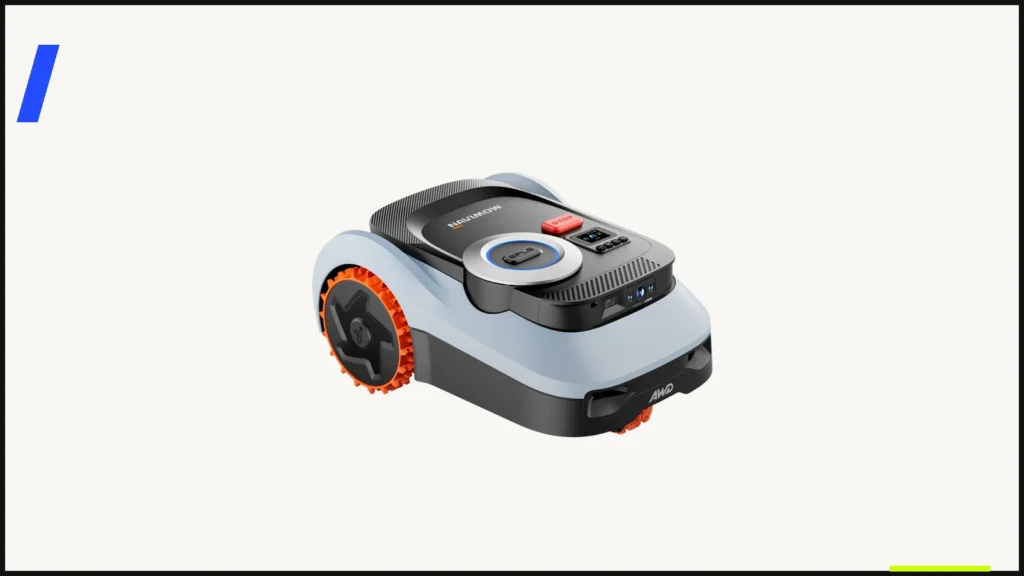
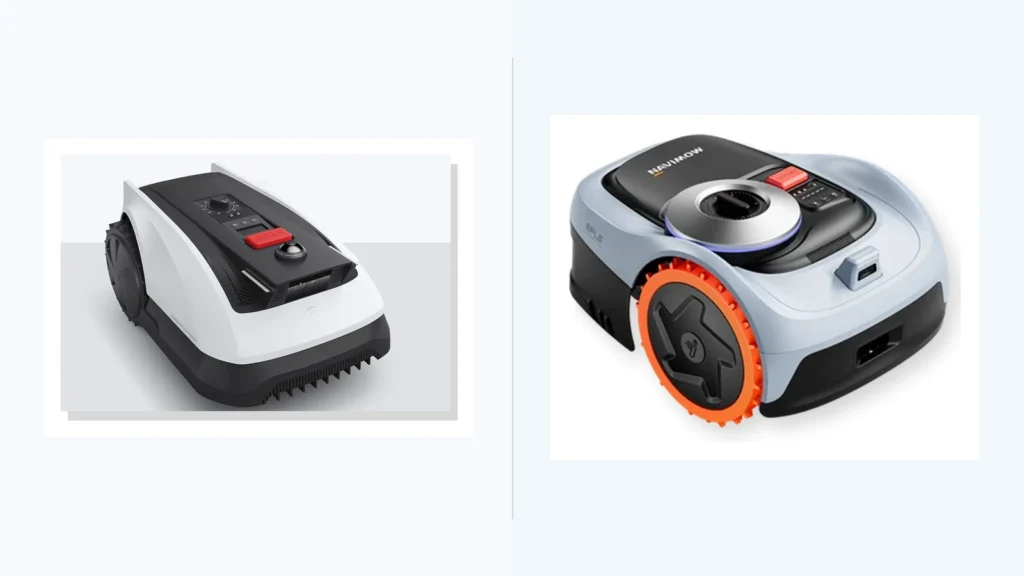
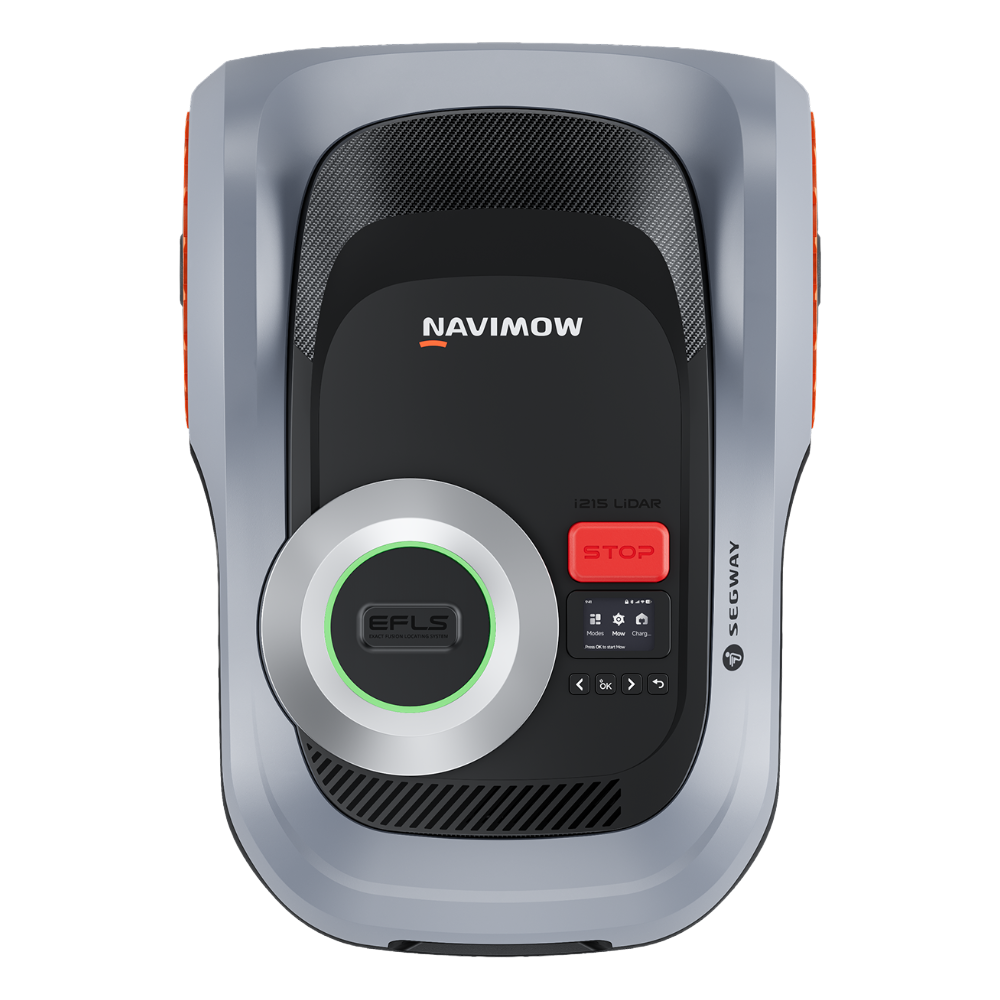
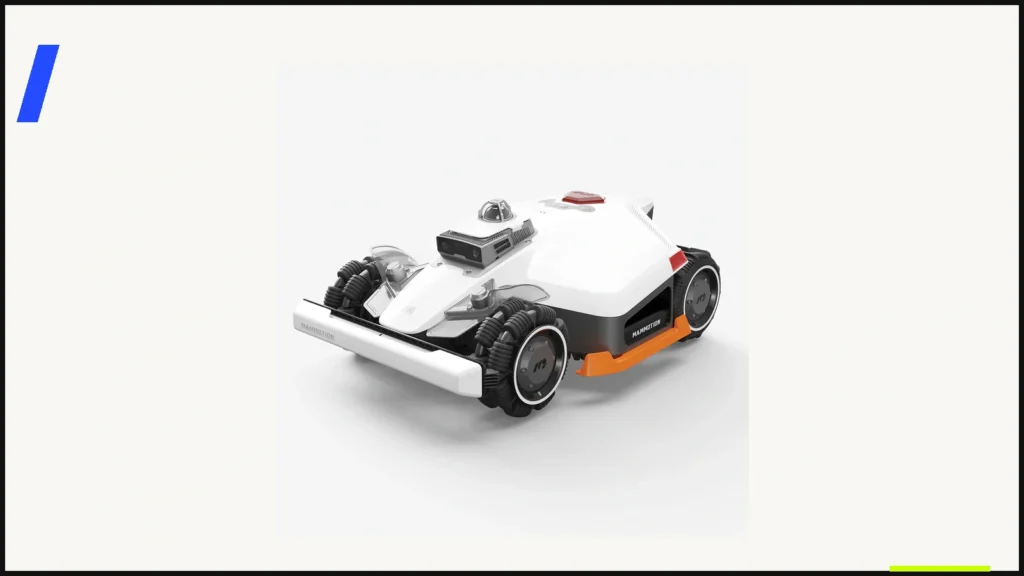
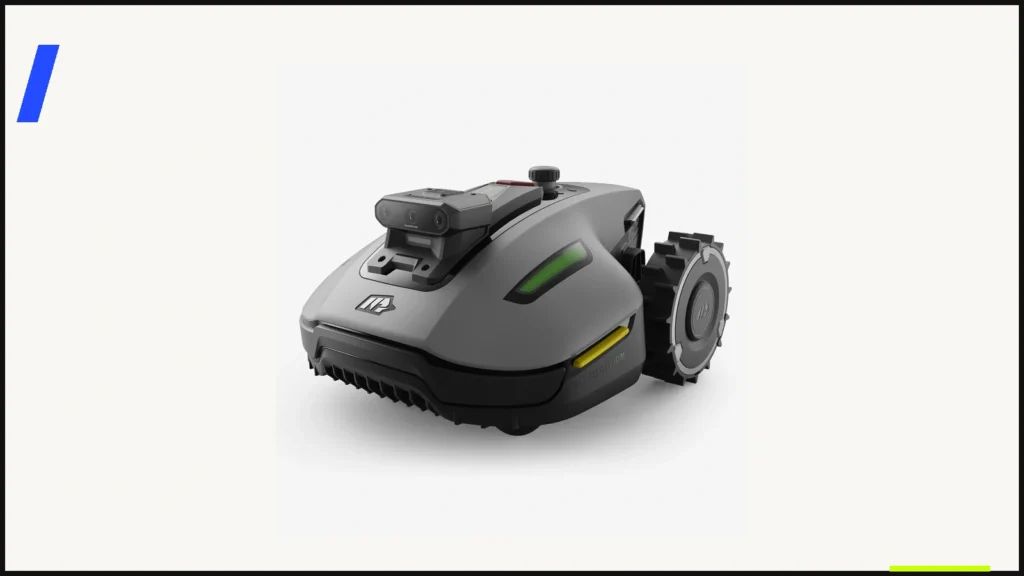
Compare specific Mammotion and Navimow mowers by lawn size, terrain, navigation and local support. Use a checklist for demonstrations and complete quotes.
The maximum slope in the table is just the beginning. On a slope, what matters is drive, direction of travel, ground and a much lower limit at the edge.
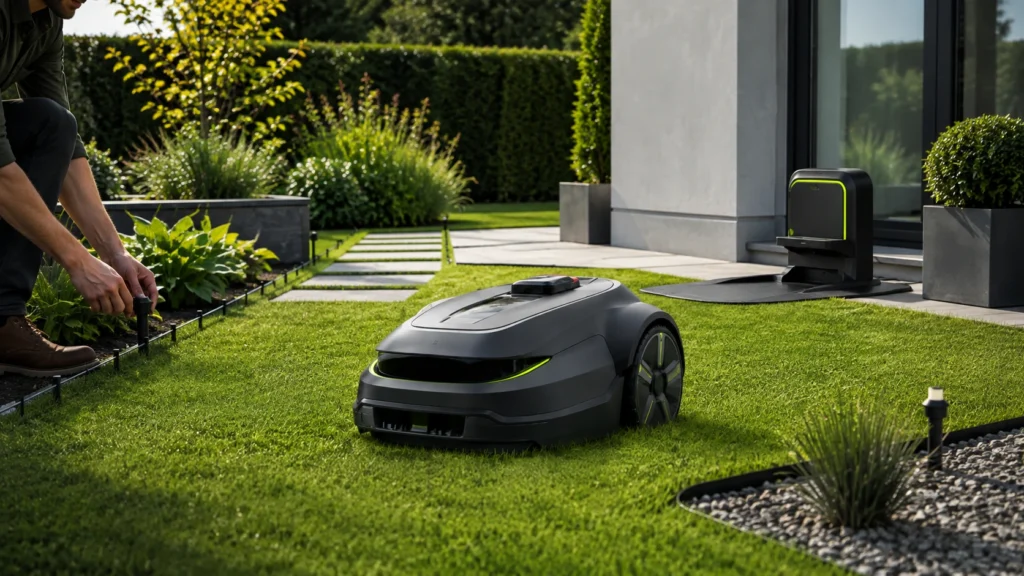
Station, boundaries, narrow passages, slopes and loose objects determine the reliability of the robot. Here is a practical checklist for preparing your garden.
With a lawn close to 1000 m², it is not worth buying a robot that is at the limit of its capabilities. We show you how to choose performance, navigation, drive and service.
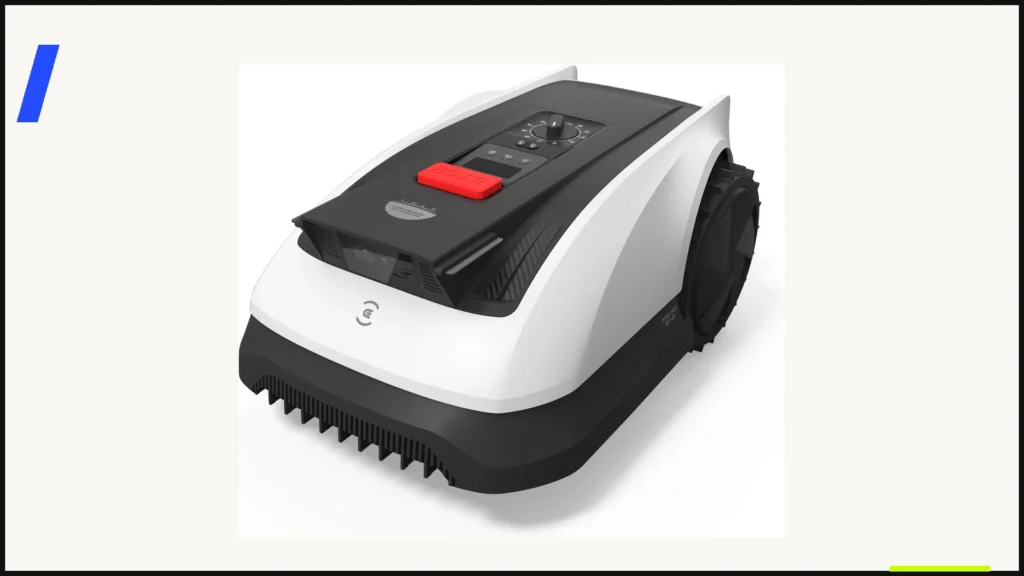
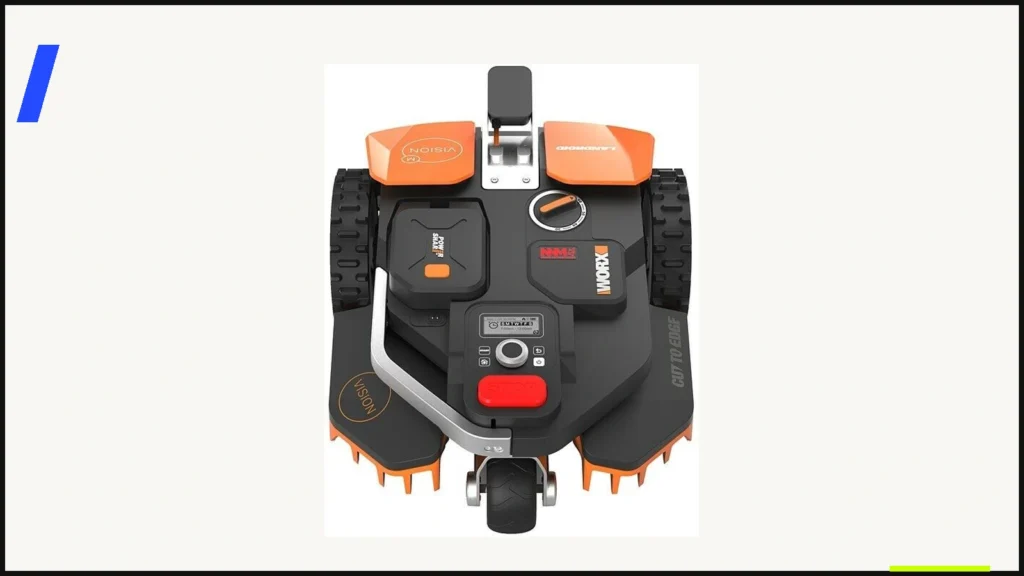
A robotic mower can operate almost maintenance-free, but only if its navigation, performance and design suit your specific garden. We explain how to choose correctly.
To provide the best experience, we use technologies such as cookies to store and/or access device information. Consent allows us to process data such as browsing behaviour or unique identifiers. Withholding or withdrawing consent may affect certain features and functions.
Functional
Always active
Technical storage or access is strictly necessary for the legitimate purpose of enabling a specific service explicitly requested by the subscriber or user, or solely for transmitting a communication over an electronic communications network.
Preferences
Technical storage or access is necessary for the legitimate purpose of storing preferences not requested by the subscriber or user.
Statistics
Przechowywanie techniczne lub dostęp, który jest używany wyłącznie do celów statystycznych.Przechowywanie techniczne lub dostęp, który jest używany wyłącznie do anonimowych celów statystycznych. Bez wezwania do sądu, dobrowolnego podporządkowania się dostawcy usług internetowych lub dodatkowych zapisów od strony trzeciej, informacje przechowywane lub pobierane wyłącznie w tym celu zwykle nie mogą być wykorzystywane do identyfikacji użytkownika.
Marketing
Technical storage or access is required to create user profiles for advertising, or to track the user on one or more websites for similar marketing purposes.