FarmDroid FD20 vs FD60: which field robot fits your farm?
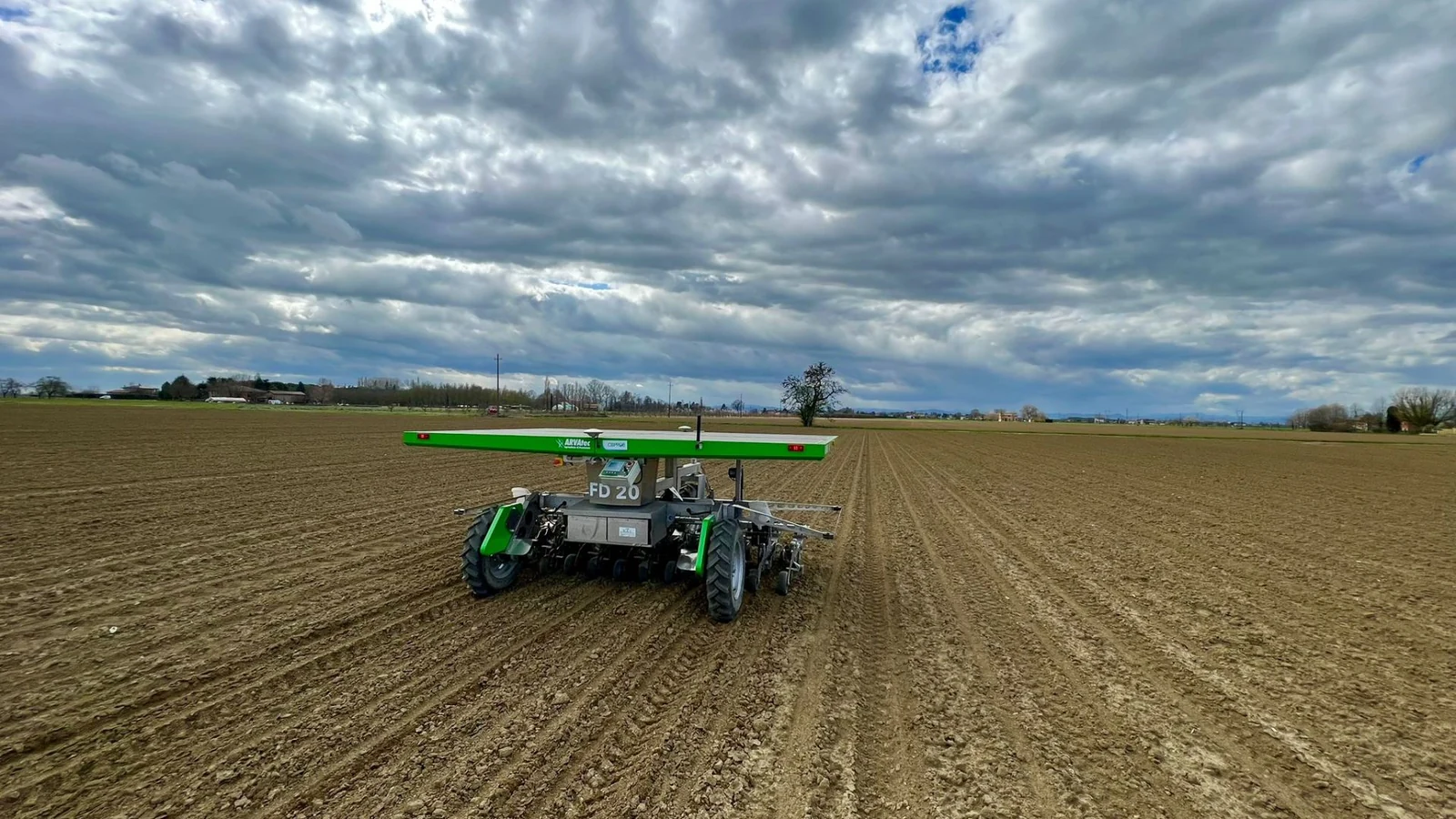
The featured image shows FD20, not FD60. FarmDroid material already used in the RoboMorrow Robot Database. Image source.
The FD60 is not simply a newer FD20. It is a larger platform for a different field organisation. Match the machine to rows, crops and treatment windows before comparing the hectares in the headline.
A crucial availability distinction: FarmDroid's page, read on 14 September 2026, says orders are open but deliveries are planned to start in January 2027. We do not treat this as confirmed immediate dealer stock. This is a documentation and purchasing analysis, not our hands-on comparison of the machines. FD60 source.
Platform comparison
| Manufacturer specification | FD20 | FD60 |
|---|---|---|
| Working width | Up to 3.5 m | Up to 6.75 m |
| Rows | Up to 12 | Up to 20 |
| Indicative seasonal area in the manufacturer's comparison | Around 20 ha | Around 60 ha |
| Power arrangement | Solar; optional Power Bank | Solar with an integrated Range Extender |
| +Spray option | Optional | Not compatible |
These are stated configuration-dependent figures, not guaranteed output on every farm. Official comparison and FD20 product page.
Draw the farm before adding up hectares
One large rectangle and several separated fields with the same total area create different operating problems. Mark gates, headlands, access, parking and the method for moving the machine between locations. Ask for transport dimensions and the complete relocation procedure. Working width alone does not tell you whether a machine will pass through a particular entrance.
Our assessment is that the larger platform becomes interesting when its geometry fits the cropping plan and simplifies repeat operations. When using that width requires changes to the farm's organisation, add those changes to the investment. The same applies when one narrow access point prevents the robot from reaching an important field.
Prepare a map of actual constraints before arranging a demonstration. A run on the easiest field does not establish suitability for the most difficult one. Ask the supplier to address the parts of the farm that could invalidate the purchase, not only the part that photographs well.
This approach remembers seeding positions
FarmDroid describes weeding based on positions recorded during seeding. Its FAQ distinguishes the camera used for remote viewing from camera-based crop recognition: crop recognition is not the basis of its weeding method. Manufacturer's explanation.
The purchasing implication is to plan the complete sequence, not just a weeding pass. Ask which fields the robot needs to seed, how seed preparation works and what happens with a field established by another machine. Do not assume that it drops into every existing production system as a direct replacement for a conventional weeder.
Confirm the actual seed and implement combination separately. A statement about supporting many crops does not replace approval of the seed material, calibration and row layout you intend to use.
Seasonal area is not single-pass output
A useful planning sheet starts with four columns: field, area, planned number of passes and available operating window. An illustrative calculation: 20 hectares needing six passes means 120 hectare-passes of work. That is a workload measure, not six new fields or a prediction of machine output.
Add relocation, preparation, interventions and interruptions. Two operations needing the same short weather window can break an otherwise plausible annual plan. The decisive constraint may be one week, rather than the total number of working hours available across the year.
Ask the supplier to model that week. The proposed schedule should include human tasks and fallback arrangements. A daily capacity claim without those details cannot establish that the required treatment will happen on time.
Solar power does not mean identical energy systems
The FD60's generator can top up its battery when solar input is insufficient. It should not be described as invariably operating on sunshine alone. Compare the actual power configuration of each proposal. FD60 power-system description.
Separate energy or fuel, human handling, power-system servicing and relocation in the quotation. Do not enter zero running cost in a calculator because the product photograph shows solar panels. Equally, do not invent fuel consumption for a machine or operating pattern that has not been assessed.
One larger machine or two smaller ones?
There is no sound answer without configuration prices and a schedule. Two machines may offer flexibility, but may also create additional handling and servicing tasks. One larger machine may simplify the fleet while concentrating the effect of a failure in a single unit. These are planning scenarios, not claims about FarmDroid reliability.
Compare them on the same basis: accepted treatment quality, completion of critical work within its window, human hours and the full season's cost. We do not assign the FD60 a guaranteed one-year payback or an automatic cost advantage.
Where a dealer offers a financial projection, ask which costs genuinely disappear, which labour hours are merely reassigned and what happens when conditions reduce output. A model that remains acceptable under a less favourable season is more useful than a single optimistic result.
Buying conclusion
FD20 remains a reference for smaller operations and configurations the FD60 does not replace. FD60 deserves investigation for larger, geometrically compatible tasks and planning for the 2027 season. I would make the decision conditional on the specific implement package, delivery date, commissioning, demonstration and local service arrangements.
The next step is to take your field calendar to a supplier, not to treat the headline area figure as a purchase recommendation. The most valuable answer is whether the proposed system completes your critical work on time, with a manageable amount of human support.