Cleaning robot and elevator: what a multi-floor deployment needs
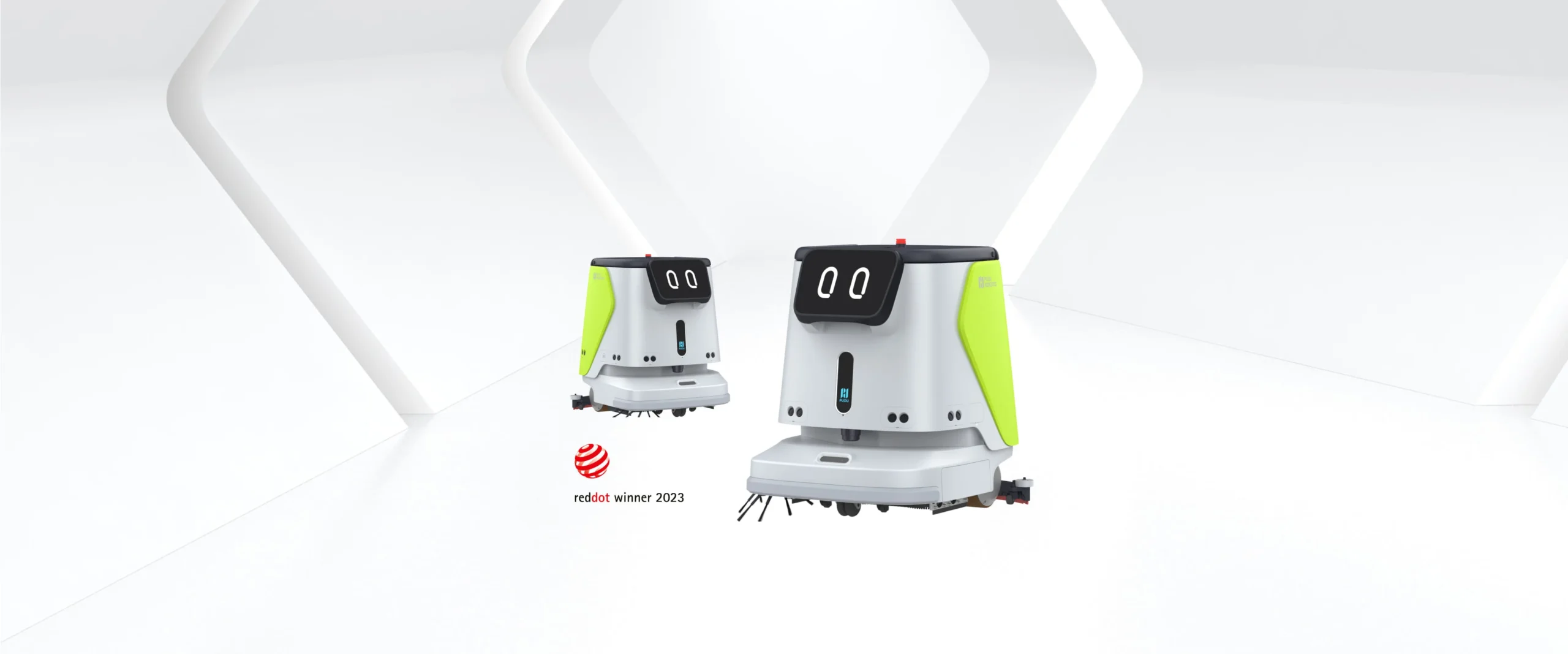
A cleaning robot can serve several floors independently only when the complete journey—doors, elevator, floor selection and onward route—is covered by a working deployment. Storing several maps is insufficient. Before seeking a quote, distinguish staff-assisted transport from an integration that lets the robot use the elevator without that assistance.
On this page
A robot feature does not approve a particular elevator
PUDU lists intelligent elevator control among CC1’s capabilities and provides a robot integration platform. This establishes that an integration solution exists, not compatibility with every elevator or inclusion in a particular quote. Obtain confirmation from the integrator and the party responsible for the elevator installation.
Ask what the price includes: elevator interface, floor configuration, door access, testing, maintenance and support after building-system changes. A demonstration at a manufacturer’s site is not acceptance of your building.
Two practical operating arrangements
| Arrangement | Staff contribution | What to count |
|---|---|---|
| Staff-assisted floor transfers | Arrange transport and start the task on the intended floor | Availability, waiting and collection after completion |
| Elevator integration | Handle exceptions and maintain the system | Implementation, upkeep, queues and unavailability procedures |
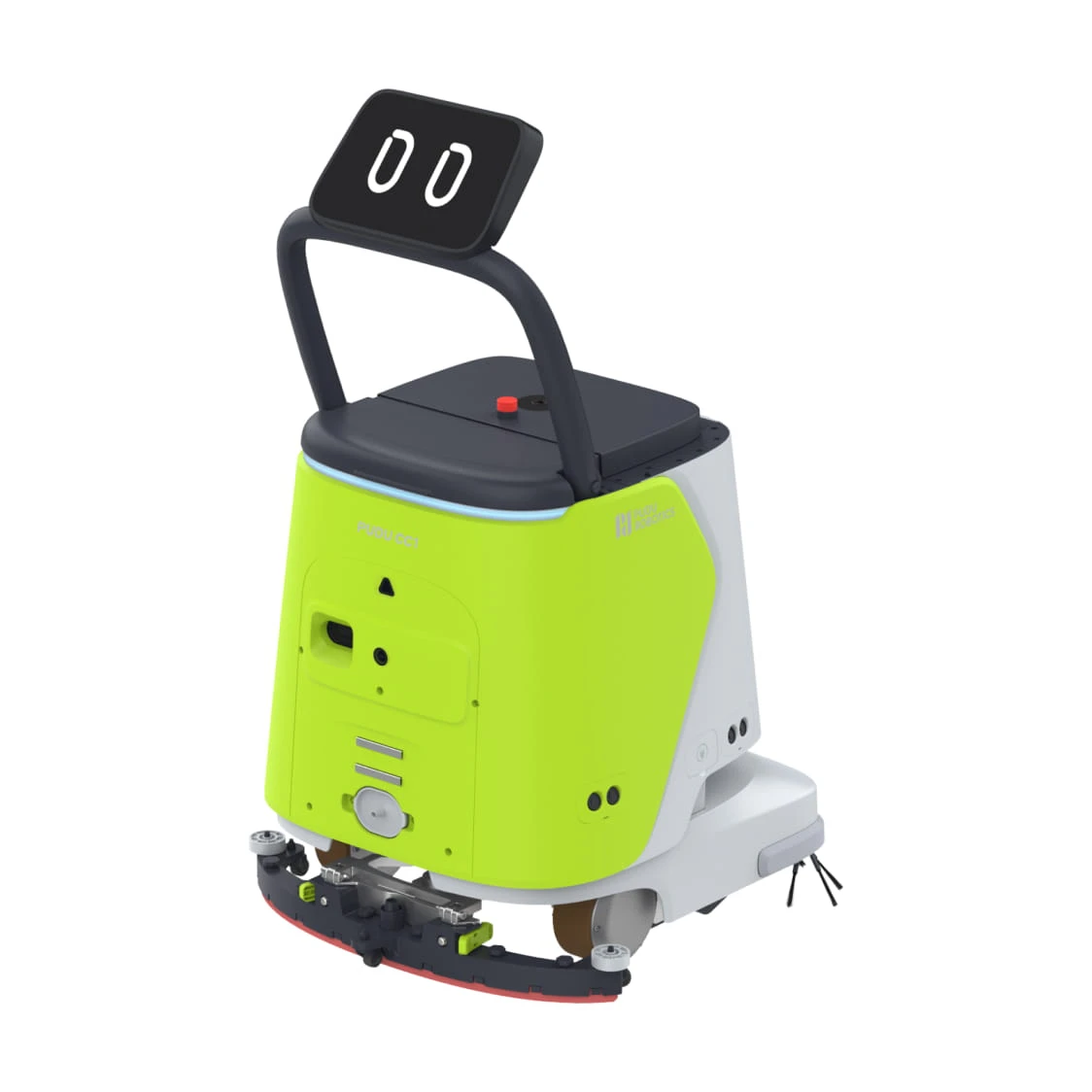
Assisted operation may be sufficient when transfers are infrequent and staff are already present. Integration offers more value where transfers repeatedly constrain the schedule. Floor count alone is not the useful workload measure: count actual journeys and who is available when they happen.
Draw the complete route, including the return
Mark the task start, doors, waiting area, cabin, destination floor and dock. Identify who or what grants access at each boundary. A door locked after hours can defeat the plan even when elevator calling works. Include access for water replenishment, emptying and charging.
Agree how the elevator is shared with people and other building work. The robot should not require defeating door protection or making changes outside the agreed installation procedure. Alarm and elevator-isolation behaviour must be defined by the responsible contractor, rather than inferred from an ordinary cleaning cycle.
An integration acceptance table
| Scenario | Acceptance evidence | Responsible party |
|---|---|---|
| Ordinary journey to every included floor | Complete route and continuation of the correct task | Robot integrator |
| Elevator occupied | Permitted waiting behaviour and a clear status | Integrator and building management |
| Closed door on the route | Agreed access handling or a safe stop | Access-control administrator |
| Service unavailable | Notification and task handover procedure | Site operations and service provider |
| Return to the dock | Successful arrival and required servicing | Robot integrator |
Test disruptions only under agreed, controlled conditions without interfering with elevator safety circuits. Record what the system does; a checked “working” box is insufficient. Include software versions, date, covered floors and ownership of outstanding defects in the acceptance record.
Count the work that remains for people
For illustration, four assisted journeys per day taking five minutes each require 20 minutes daily. Across 22 days, that is 440 minutes, or seven hours and 20 minutes monthly. These are stated organisational assumptions, not a CC1 measurement or an integration saving forecast.
Subtract exception handling and upkeep from any potentially released time. Do not add all floor-cleaning time if the robot was already doing that work. Request a separate integration price and maintenance terms so the operating arrangements can be compared fairly.
Prepare the quotation brief
Provide floor plans, elevator type, access rules, working hours, dock locations and expected journey frequency. Ask for a quote defining responsibility boundaries, acceptance tests and operation during faults. Without those elements, a quote for a multi-floor robot remains incomplete.
Your next step
Send the complete route and acceptance table to the integrator. Compare staff-assisted transfers with elevator integration separately.
Sources and method
Documentation checked on 12 September 2026. Model information comes from manufacturer materials. Acceptance sheets, comparison procedures and worked examples are RoboMorrow editorial analysis, not results of our hands-on device tests. Confirm requirements for the exact variant and market.