Robot mower garage: roof, reception and docking access
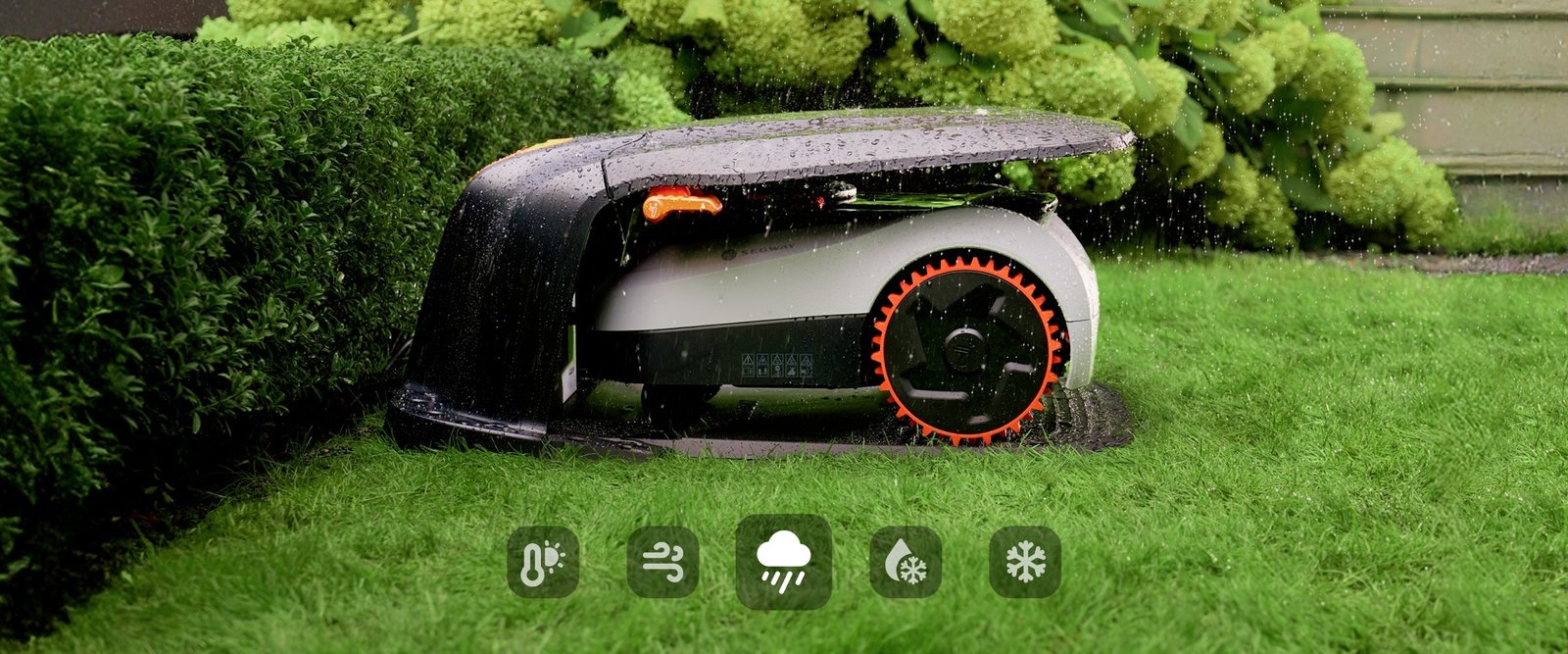
Choose a robot mower garage as part of its charging location. It must fit the exact machine, preserve required sensor access and allow repeatable docking. A mower fitting beneath the roof is not enough. Confirm compatibility and station placement before choosing the shelter’s appearance.
On this page
RTK, LiDAR and shelter construction
Navimow’s i-series support discusses GNSS reception and recommends non-metal material for a custom shelter. For i2 LiDAR Pro, the manufacturer identifies the dedicated Garage M. These documents address different equipment: advice for the i-series cannot automatically be applied to every LiDAR mower.
The word “LiDAR” also does not mean that any enclosure around the dock is harmless. Check the variant’s complete navigation and connectivity system. A shelter can change approach geometry, control access and debris removal even if reception appears normal.
A garage compatibility card
| Item | Establish | Evidence before buying |
|---|---|---|
| Model | Exact mower and station generation | Compatibility list or written manufacturer confirmation |
| Navigation | Required visibility and reception conditions | Instructions for the sheltered location |
| Approach | Entry, departure and clear space ahead | Drawing with required clearances |
| Servicing | Controls, cables, cleaning and mower removal | Demonstrated access without dismantling the installation |
| Ground | Stability and drainage | Inspect after rain before building around the dock |
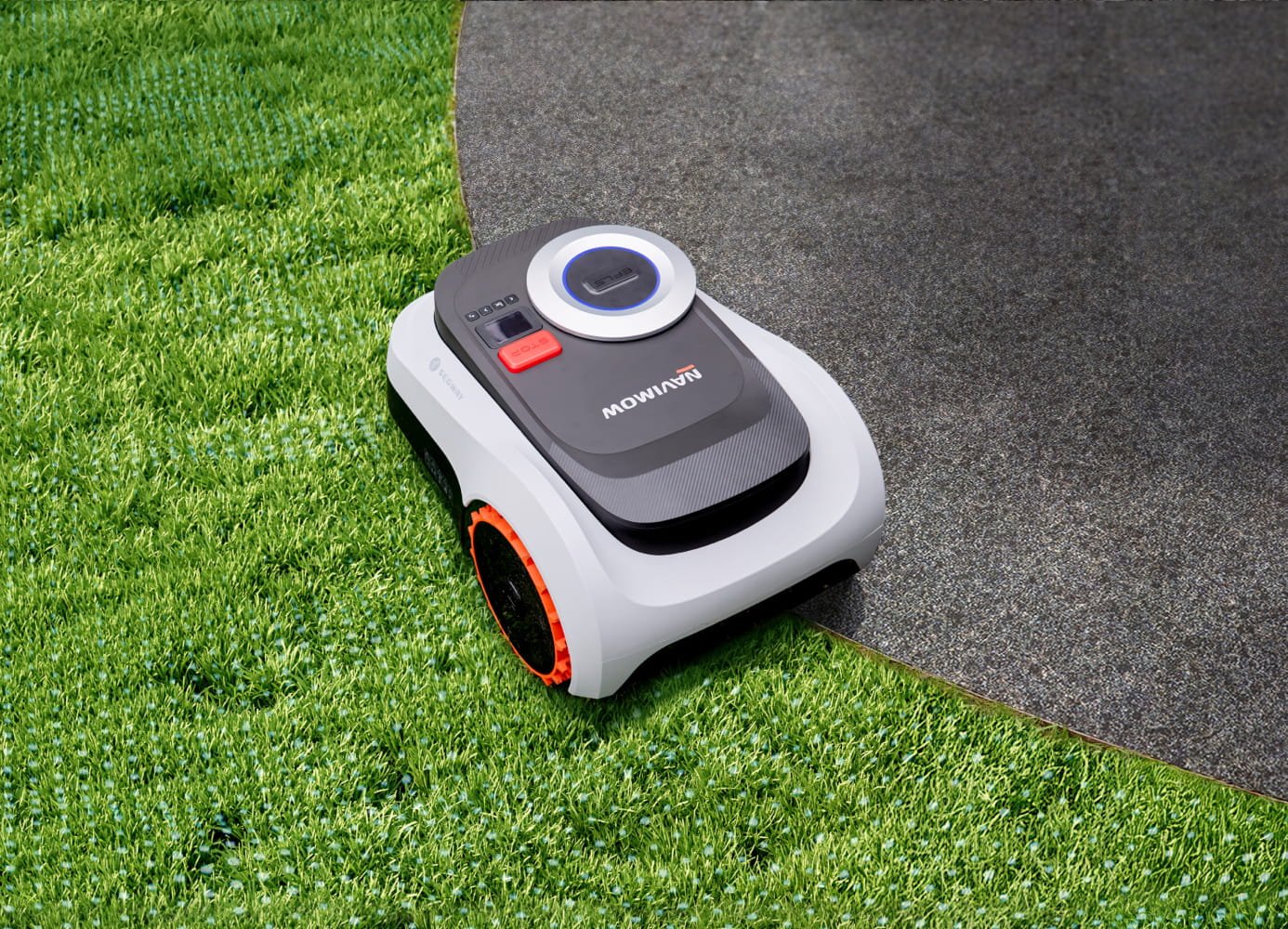
Resolve existing docking trouble first
If the mower already struggles to return, fix the unsheltered station before adding a garage. Otherwise, the new structure makes causes harder to separate. Record the working arrangement, station position and navigation messages before fitting the shelter.
Check where roof runoff goes. The shelter should not direct water onto the approach or create a hollow beneath the wheels. Avoid rerouting cables where mowing or garden work could damage them. The station and electrical installation requirements still apply.
Check the completed installation
| Check | Observe | Result needing correction |
|---|---|---|
| Departure | No contact with roof or supports | Catching, reversing or a new error |
| Return from an ordinary task | Successful approach and charging | Repeated searches for the station |
| Maintenance access | Controls and service components remain reachable | Having to move the dock for every inspection |
| Changing conditions | Approach surface and reception during normal use | Weather-related errors, ruts or standing water |
One successful docking does not demonstrate repeatability. Observe several normal returns from different tasks without forcing inappropriate manoeuvres. If an error appears only with the shelter fitted, compare the installation with the manufacturer’s requirements. Do not disable protection or assume the mower will learn its way into an unsuitable enclosure.
Seasonal shelter and winter storage differ
A roof used during the mowing season does not establish that the machine may remain outdoors throughout winter. A garage, battery storage and winter preparation address different needs. Read the manual’s storage section; a weather cover is not an insulated equipment store.
Before ordering, send the supplier a location photograph, mower product code and available dimensions. Request confirmation of the complete arrangement. Changing a shelter plan before purchase is easier than rebuilding an otherwise functioning approach afterwards.
Your next step
Send the supplier the mower code, station photograph and approach measurements. After installation, check repeatability across normal returns.
Sources and method
Documentation checked on 12 September 2026. Model information comes from manufacturer materials. Acceptance sheets, comparison procedures and worked examples are RoboMorrow editorial analysis, not results of our hands-on device tests. Confirm requirements for the exact variant and market.