Navimow i210 Pro vs i215 LiDAR: terrain or more area?
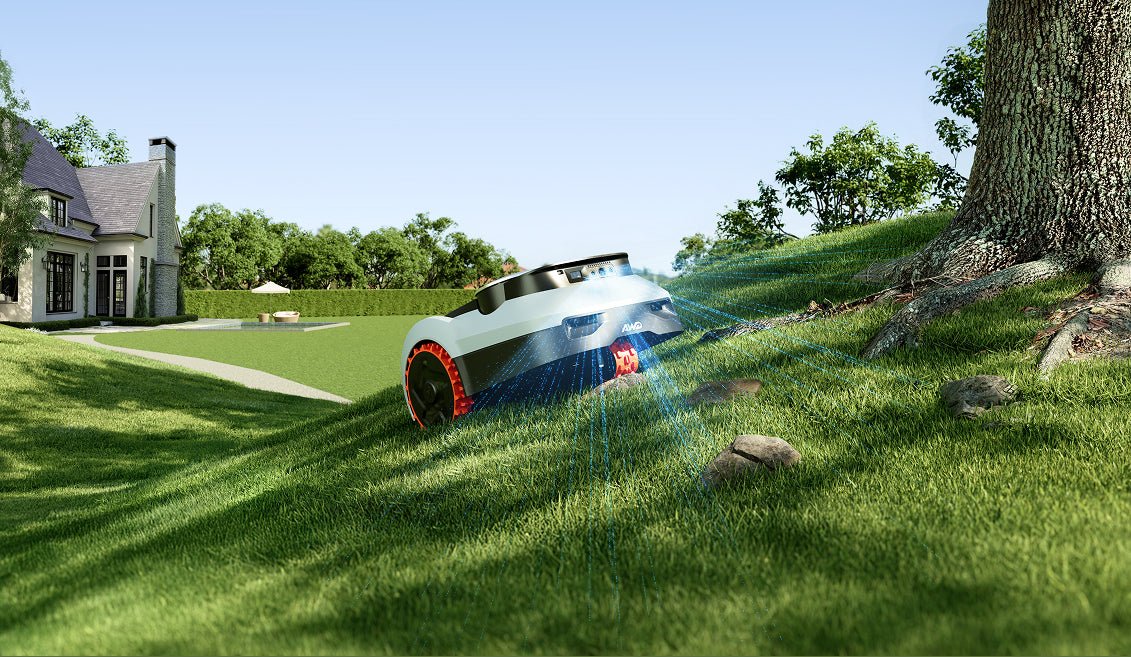
BUYING IN YOUR MARKET
Availability in your country
Sales, delivery and support can differ by country and exact model. Choose your market to see the evidence we have checked.
Segway Navimow i210 LiDAR Pro
Germany
Local store offer — check checkout availability
- Seller / sales channel
- Navimow Germany
- Price
- See the local offer for the current price and exact bundle
- Delivery
- Confirm stock and the delivery date for your address with the seller
- Warranty and service
- Confirm written warranty terms, parts and service coverage for your address
Navimow Germany lists this exact model for this market. A listing is evidence of a buying route, not a delivery commitment.
Evidence checked: · Not a live stock feed
Navimow Germany: check local offer ↗No verified local offer in this dataset
No country-specific offer for this exact model has been established in our current sources. This is a gap in our research, not a statement that the robot cannot be bought here. Use the manufacturer’s sales contact to request a supplier serving your address; confirm configuration, imports, warranty and service.
- Price
- No verified local price in this dataset
- Delivery
- No confirmed date for your address
- Warranty and service
- Local coverage not verified
Segway Navimow i215 LiDAR
Germany
Local store offer — check checkout availability
- Seller / sales channel
- Navimow Germany
- Price
- See the local offer for the current price and exact bundle
- Delivery
- Confirm stock and the delivery date for your address with the seller
- Warranty and service
- Confirm written warranty terms, parts and service coverage for your address
Navimow Germany lists this exact model for this market. A listing is evidence of a buying route, not a delivery commitment.
Evidence checked: · Not a live stock feed
Navimow Germany: check local offer ↗No verified local offer in this dataset
No country-specific offer for this exact model has been established in our current sources. This is a gap in our research, not a statement that the robot cannot be bought here. Use the manufacturer’s sales contact to request a supplier serving your address; confirm configuration, imports, warranty and service.
- Price
- No verified local price in this dataset
- Delivery
- No confirmed date for your address
- Warranty and service
- Local coverage not verified
“Listed” confirms a product page or sales route, not stock, delivery to every address or local service. “Pre-order” is not immediate availability. Unverified means we lack evidence; it does not mean unavailable. Prices belong to the named market and currency. Confirm the exact version, tax, shipping and support before ordering.
The i210 LiDAR Pro and i215 LiDAR address different priorities: Pro adds terrain and positioning features, while i215 has a larger recommended lawn area. First establish whether the limitation is area within available time or difficult sections of the lawn.
The central difference
| Question | i210 LiDAR Pro | i215 LiDAR |
|---|---|---|
| Area in the European listing | 1,000 m² | 1,500 m² |
| Reason to compare it | AWD with LiDAR, Network RTK and Vision | Larger area rating with LiDAR and Vision |
| What needs testing? | Difficult route and return to the dock | Completing the area within your schedule |
| What the name does not prove | Pro does not mean a larger lawn rating | A higher number does not mean the same drive system |
Supported garden area across a schedule and area cut on one charge are separate specifications. Do not calculate required cycles merely by dividing lawn size by a laboratory figure when terrain and test conditions differ.
Around 1,000 m²: ask two questions
Can the mower maintain the lawn within acceptable operating hours? Can it traverse every required section within its instructions? A good answer to the first question does not resolve the second. On a complex plot, time spent travelling and requiring intervention may matter more than nominal area headroom.
Record separate zones, connecting routes and edges needing manual work. Exclude patios and flower beds from mowing area. If the garden will change, describe the future area separately rather than assuming an undefined reserve for everything.
Compare complete offers
Request the exact European variant with installation, delivery and required accessories. Check local servicing plus Network RTK and connectivity terms for Pro. Confirm stock and delivery for your address; an accessible product page does not establish either.
A discount may alter value for your needs but does not change the mower's capabilities. Do not buy the smaller area rating merely for the Pro label if the work plan calls for another model.
Verdict by task
Investigate i215 when larger area capacity is the priority and its terrain requirements fit the site. Investigate i210 Pro when the area fits and you need positioning or drive features demonstrated on your route. If neither meets both conditions, widen the shortlist. This is analysis of manufacturer information and use cases, not a claim to have conducted a comparative field test.
Continue with your next question
- Mammotion vs Navimow: choose for your lawn and support
- Robot mower electricity use: measure monthly and season costs
- Robot mower winter storage: battery, dock and restart
Availability and sources
Check the exact regional model, compatible consumables, delivery to your address and local support before ordering. A product listing is not stock confirmation. This article adds no affiliate offers.
Redakcja RoboMorrow · updated 12 October 2026. Manufacturer statements are attributed above; practical checklists and fictional examples are editorial analysis, not hands-on test results. Product images are existing RoboMorrow manufacturer materials and illustrate the model, not an editorial test.
Before buying: variants, offers and further comparisons
- Measure actual grass area and account for downtime and travel between zones.
- Make sure the offers cover i210 LiDAR Pro and i215 LiDAR, rather than similarly named regional versions.
- Ask for mapping, passage and dock checks in your garden, then compare complete offers including installation.