PUDU ET1 price: package cost, leasing and payback
RoboMorrow · Decision Lab
The robot price is the start of the quotation.
Request one quotation that states the robot and accessories, site commissioning, integrations, training, consumables and service. Compare a historical price only after aligning country, tax and configuration.
Task
What exactly must the robot do, and how many operator interventions are acceptable?
Acceptance trial
Agree on the route, surface, obstacles and correctly completed tasks.
Support
Who repairs the unit, where do parts come from and what does the response time cover?
Explore 17 documented deployments and their sources →
Redakcja RoboMorrow · release 17 Oct 2026. Source dates are listed separately. Measurements and results stay in your browser; saving downloads a file to your device.
BUYING IN YOUR MARKET
Availability in your country
Sales, delivery and support can differ by country and exact model. Choose your market to see the evidence we have checked.
PUDU ET1
United States
Local sales channel — request a quote
- Seller / sales channel
- Inland Global
- Price
- Individual quote; no verified public local price
- Delivery
- Confirm stock and the delivery date for your address with the seller
- Warranty and service
- Confirm written warranty terms, parts and service coverage for your address
Inland Global lists this model in its US sales catalogue with a quotation route. Confirm the exact configuration and fulfilment before payment.
Evidence checked: · Not a live stock feed
Inland Global: request a quote ↗Germany
Local sales channel — request a quote
- Seller / sales channel
- JK Robotik
- Price
- EUR 11,950 excluding VAT and shipping; confirm the dock, accessories and installation separately
- Delivery
- Confirm stock and the delivery date for your address with the seller
- Warranty and service
- Confirm written warranty terms, parts and service coverage for your address
JK Robotik lists this exact model for this market. A listing is evidence of a buying route, not a delivery commitment.
Evidence checked: · Not a live stock feed
JK Robotik: request a quote ↗Poland
Local sales channel — request a quote
- Seller / sales channel
- Positive Machines
- Price
- Individual quote; no verified public local price
- Delivery
- Confirm stock and the delivery date for your address with the seller
- Warranty and service
- Confirm written warranty terms, parts and service coverage for your address
Positive Machines lists this exact model for this market. A listing is evidence of a buying route, not a delivery commitment.
Evidence checked: · Not a live stock feed
Positive Machines: request a quote ↗Netherlands
Local sales channel — request a quote
- Seller / sales channel
- Fulin Robots
- Price
- See the linked offer for the current price, configuration and taxes
- Delivery
- Confirm availability and delivery to your address with the seller
- Warranty and service
- Confirm warranty territory, local service and return shipping with the seller
This supplier lists the exact model. Request a written offer with the exact configuration, delivery date and service coverage.
Evidence checked: · Not a live stock feed
Fulin Robots: model offer ↗Spain
Local sales channel — request a quote
- Seller / sales channel
- Intec Robots
- Price
- See the linked offer for the current price, configuration and taxes
- Delivery
- Confirm availability and delivery to your address with the seller
- Warranty and service
- Confirm warranty territory, local service and return shipping with the seller
This supplier lists the exact model. Request a written offer with the exact configuration, delivery date and service coverage.
Evidence checked: · Not a live stock feed
Intec Robots: model offer ↗Portugal
Local sales channel — request a quote
- Seller / sales channel
- Intec Robots
- Price
- See the linked offer for the current price, configuration and taxes
- Delivery
- Confirm availability and delivery to your address with the seller
- Warranty and service
- Confirm warranty territory, local service and return shipping with the seller
This supplier lists the exact model. Request a written offer with the exact configuration, delivery date and service coverage.
Evidence checked: · Not a live stock feed
Intec Robots: model offer ↗France
Local sales channel — request a quote
- Seller / sales channel
- CAP Robotics
- Price
- See the linked offer for the current price, configuration and taxes
- Delivery
- Confirm availability and delivery to your address with the seller
- Warranty and service
- Confirm warranty territory, local service and return shipping with the seller
This supplier lists the exact model. Request a written offer with the exact configuration, delivery date and service coverage.
Evidence checked: · Not a live stock feed
CAP Robotics: model offer ↗United Kingdom
Local sales channel — request a quote
- Seller / sales channel
- Purozo
- Price
- See the linked offer for the current price, configuration and taxes
- Delivery
- Confirm availability and delivery to your address with the seller
- Warranty and service
- Confirm warranty territory, local service and return shipping with the seller
This supplier lists the exact model. Request a written offer with the exact configuration, delivery date and service coverage.
Evidence checked: · Not a live stock feed
Purozo: model offer ↗Canada
Local sales channel — request a quote
- Seller / sales channel
- Nova Dynamic
- Price
- See the linked offer for the current price, configuration and taxes
- Delivery
- Confirm availability and delivery to your address with the seller
- Warranty and service
- Confirm warranty territory, local service and return shipping with the seller
This supplier lists the exact model. Request a written offer with the exact configuration, delivery date and service coverage.
Evidence checked: · Not a live stock feed
Nova Dynamic: model offer ↗Australia
Local sales channel — request a quote
- Seller / sales channel
- WorkPlace Robotics
- Price
- See the linked offer for the current price, configuration and taxes
- Delivery
- Confirm availability and delivery to your address with the seller
- Warranty and service
- Confirm warranty territory, local service and return shipping with the seller
This supplier lists the exact model. Request a written offer with the exact configuration, delivery date and service coverage.
Evidence checked: · Not a live stock feed
WorkPlace Robotics: model offer ↗Japan
Local sales channel — request a quote
- Seller / sales channel
- USEN
- Price
- See the linked offer for the current price, configuration and taxes
- Delivery
- Confirm availability and delivery to your address with the seller
- Warranty and service
- Confirm warranty territory, local service and return shipping with the seller
This supplier lists the exact model. Request a written offer with the exact configuration, delivery date and service coverage.
Evidence checked: · Not a live stock feed
USEN: model offer ↗India
Local sales channel — request a quote
- Seller / sales channel
- Autofina Robotics
- Price
- See the linked offer for the current price, configuration and taxes
- Delivery
- Confirm availability and delivery to your address with the seller
- Warranty and service
- Confirm warranty territory, local service and return shipping with the seller
This supplier lists the exact model. Request a written offer with the exact configuration, delivery date and service coverage.
Evidence checked: · Not a live stock feed
Autofina Robotics: model offer ↗Switzerland
Local sales channel — request a quote
- Seller / sales channel
- GetDone
- Price
- See the linked offer for the current price, configuration and taxes
- Delivery
- Confirm availability and delivery to your address with the seller
- Warranty and service
- Confirm warranty territory, local service and return shipping with the seller
This supplier lists the exact model. Request a written offer with the exact configuration, delivery date and service coverage.
Evidence checked: · Not a live stock feed
GetDone: model offer ↗Romania
Local sales channel — request a quote
- Seller / sales channel
- Autonomo
- Price
- See the linked offer for the current price, configuration and taxes
- Delivery
- Confirm availability and delivery to your address with the seller
- Warranty and service
- Confirm warranty territory, local service and return shipping with the seller
This supplier lists the exact model. Request a written offer with the exact configuration, delivery date and service coverage.
Evidence checked: · Not a live stock feed
Autonomo: model offer ↗Italy
Local preorder offer — request a delivery quotation
- Seller / sales channel
- Bubbles Technology
- Price
- See the linked offer for the current price, configuration and taxes
- Delivery
- Confirm availability and delivery to your address with the seller
- Warranty and service
- Confirm warranty territory, local service and return shipping with the seller
Bubbles labels ET1 as preorder. Its base configuration excludes the optional 8-in-1 dock, and transport is quoted separately. Confirm lead time and the complete configuration before ordering.
Evidence checked: · Not a live stock feed
Bubbles Technology: model offer ↗No verified local offer in this dataset
No country-specific offer for this exact model has been established in our current sources. This is a gap in our research, not a statement that the robot cannot be bought here. Use the manufacturer’s sales contact to request a supplier serving your address; confirm configuration, imports, warranty and service.
- Price
- No verified local price in this dataset
- Delivery
- No confirmed date for your address
- Warranty and service
- Local coverage not verified
“Listed” confirms a product page or sales route, not stock, delivery to every address or local service. “Pre-order” is not immediate availability. Unverified means we lack evidence; it does not mean unavailable. Prices belong to the named market and currency. Confirm the exact version, tax, shipping and support before ordering.
An ET1 catalogue price is not the total deployment cost. A quote should separate the robot, station variant, installation, commissioning and support. Only then can you compare purchase or finance offers and estimate whether the process change produces positive savings.
Reference price: what the listing establishes
JK Robotik — ET1, Germany, 43010020 lists the ET1 at EUR 11,950 excluding VAT and shipping (item 43010020; checked 13 October 2026). The seller describes the 8-in-1 station as optional. Do not assume that the displayed amount includes the station, utilities and commissioning. A complete deployment in your country requires a separate quote.
We do not convert this figure into an assumed local selling price or a universal instalment. For specifications and physical fit, use the ET1 profile.
Ask for two comparable quotations
| Scope | Purchase | Leasing / rental |
|---|---|---|
| Robot and station | Exact configuration and price | Same configuration and permitted use |
| Upfront | Delivery, installation, mapping, training | Deposit, initial fees and commissioning |
| Upkeep | Consumables, service and software fees | What instalments cover and what costs extra |
| End of term | Residual equipment value | Buyout, return condition and closing fees |
| Downtime | Cost of fallback cleaning | Replacement equipment and exclusions |
Use the same period, currency, tax basis and cleaning standard. Do not add the full purchase price to the instalments for the same machine. Financing terms and responsibility for parts and downtime must come from the actual offer.
Example: recovered time versus cash savings
This illustrates the calculation; it is not an ET1 performance forecast. Assume an upfront cost of 15,000 in a chosen currency, 26 working days per month, hourly cost of 20 and recurring costs of 250 per month. Net hours are measured after subtracting robot care and rework.
| Net hours / day | Net savings / month | Simple payback |
|---|---|---|
| 0.5 | 10 | 1,500 months |
| 1.0 | 270 | 55.6 months |
| 2.0 | 790 | 19.0 months |
Monthly savings = 26 × net hours × 20 − 250. Simple payback = 15,000 ÷ positive monthly savings. Positive savings require more than 0.481 net hours per day, about 29 minutes. With zero or negative savings, there is no positive simple payback.
Recovered time does not always become an avoided expense. If staffing schedules and employment costs remain unchanged, report the operational benefit separately. This simple model excludes discounting, financing, residual value and changing costs. For leasing, build cash flows from the actual payment schedule.
Data to collect before deciding
- Record the current method and cleaning time across a representative week.
- During the ET1 trial, measure preparation, interventions, refilling, emptying, cleaning and rework.
- Keep the same acceptance standard. Do not compare a cheaper cycle that still needs extra work to pass.
- Calculate a weaker case with fewer operating days, more operator work and downtime. If only the best case works, resolve the assumptions before ordering.
A product listing provides a route to enquire about that model. It does not confirm stock, delivery to your country or service at your address. Request a written lead time, the service provider’s name, response times and replacement-equipment terms.
Before requesting a quote, also compare site fit: ET1 vs CC1.
Prepare an enquiry for your site
Include country, reachable area, working schedule, required result and main constraints. RoboMorrow helps organize your requirements; this form is not an order or a binding supplier quotation.
Sources and method
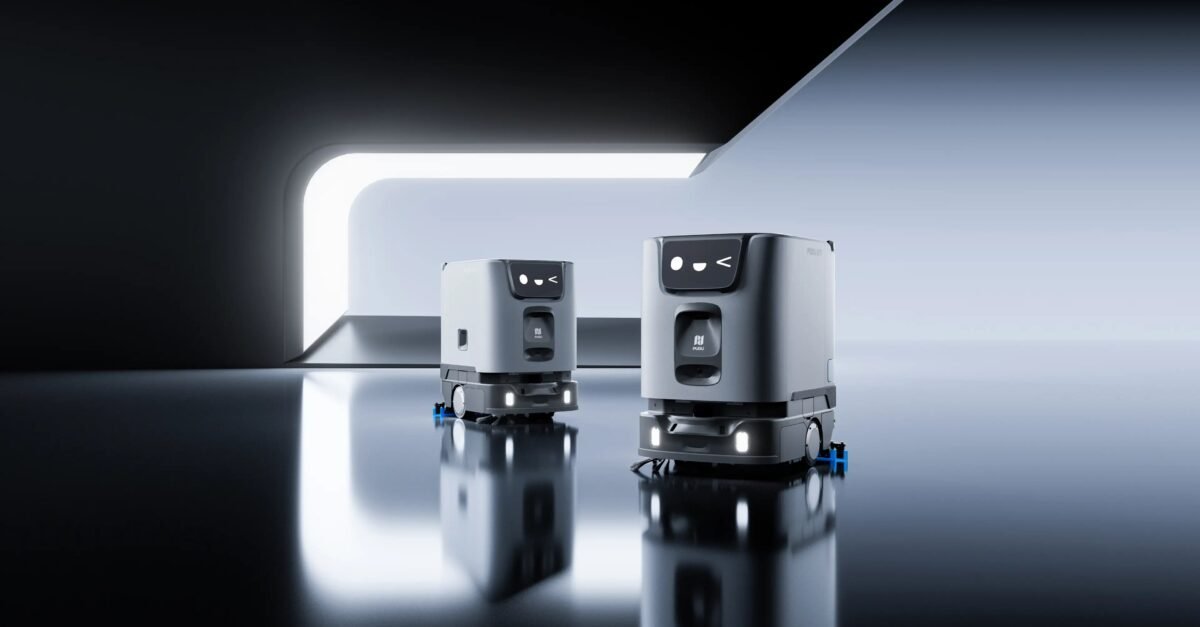
Sources checked on 13 October 2026. Specifications are manufacturer claims; prices refer to the named regional listings. Selection advice, acceptance checklists and cost analysis are editorial work, not results of our own hardware testing. The image is retained from this same RoboMorrow publication. No affiliate offer has been added.
Discuss deployment scope and cost
Have the country, site area, task, difficult zones and planned timing ready. Describe the pilot outcome and service coverage you need to start a discussion about a specific deployment.
Describe your project in the enquiry form
Your enquiry goes to RoboMorrow. Submitting the form is not an order or a confirmation of availability or price.
Interactive decision model
The calculator contains neither an ET1 price nor a promised saving. Enter comparable amounts from your quote and labour measurements from the site.
Calculate your own payback scenario
Use your supplier quote and measured labour savings. No manufacturer prices or savings are prefilled. All amounts must use the same tax basis.
Annual net benefit = hours saved × hourly cost − added operating costs. Simple payback = upfront investment / positive annual net benefit. Excludes financing, discounting and residual value. Calculations stay in this page and are not sent to RoboMorrow.