Unitree IPO frenzy: humanoid robot maker more than 8,000 times oversubscribed
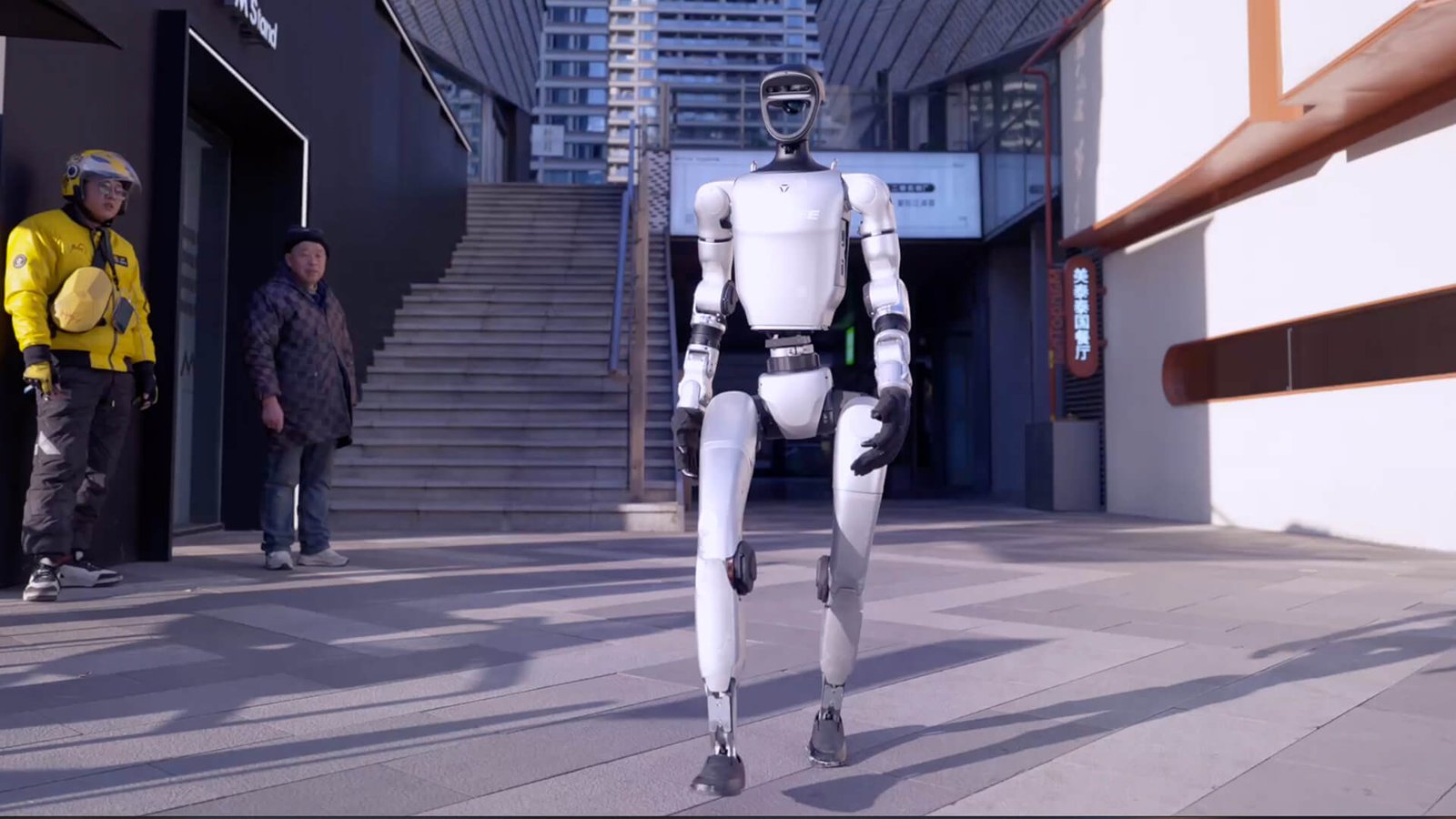
Unitree's stock-market debut has attracted a level of demand that illustrates the scale of investor interest in humanoid robotics. The manufacturer's Shanghai STAR Market offering was more than 8,000 times oversubscribed by retail investors.
According to offering documents reported by Reuters, the retail tranche was oversubscribed by approximately 8,288.82 times. The final allocation rate for retail investors fell to around 0.018%. Demand was strong enough to trigger a clawback mechanism that increased the share of the offering allocated to retail investors.
A valuation of about $9 billion
Unitree priced its IPO at RMB 150.80 per share, implying a valuation of more than RMB 60 billion, or roughly $9 billion. The company aims to raise about RMB 6.1 billion to fund robotics hardware and software development, new products and additional manufacturing capacity.
The valuation is demanding. Reuters notes that the IPO price corresponds to roughly 219 times Unitree's 2025 earnings and around 36 times sales. Investors are therefore paying primarily for expected future growth in humanoid robotics and embodied AI rather than only for the company's current financial performance.
What does the oversubscription actually mean?
More than 8,000-times oversubscription does not prove that humanoid robots have already reached mass commercial maturity. It does, however, provide a strong signal that capital markets are starting to treat humanoid robotics as a distinct technology sector.
Unitree is one of the most visible manufacturers in the field through platforms including the G1, H1 and R1, as well as comparatively low hardware prices versus many Western humanoid projects. The company is also profitable, which distinguishes it from many humanoid startups.
At the same time, Unitree itself warns that broad commercial adoption remains uncertain. Humanoids still need improvements in reliability, dexterity, endurance, safety and their ability to perform varied tasks without continuous human assistance.
What does it mean for Europe?
For Europe, a successful IPO could have several effects. Additional capital may accelerate Unitree's production scale, embodied-AI development and price pressure on competitors. It could also increase access to advanced research and industrial robot platforms.
At the same time, wider deployment of Chinese humanoids makes European requirements around safety, cybersecurity, data, technical documentation and compliance with machinery and AI regulation increasingly important.
What is confirmed — and what remains unknown?
The scale of retail oversubscription, the IPO price, the approximate valuation and the very low retail allocation rate are confirmed. What remains unknown is how the shares will perform once regular trading begins and whether current investor expectations will translate into the pace of commercial robot deployment.
This is a financial-market development, not an autonomy demonstration. Teleoperation is not relevant to the event itself. No new robot prices or specific availability dates for Poland or the EU were announced.