Tesla starts paid Cybercab rides in Austin as NHTSA audits certification
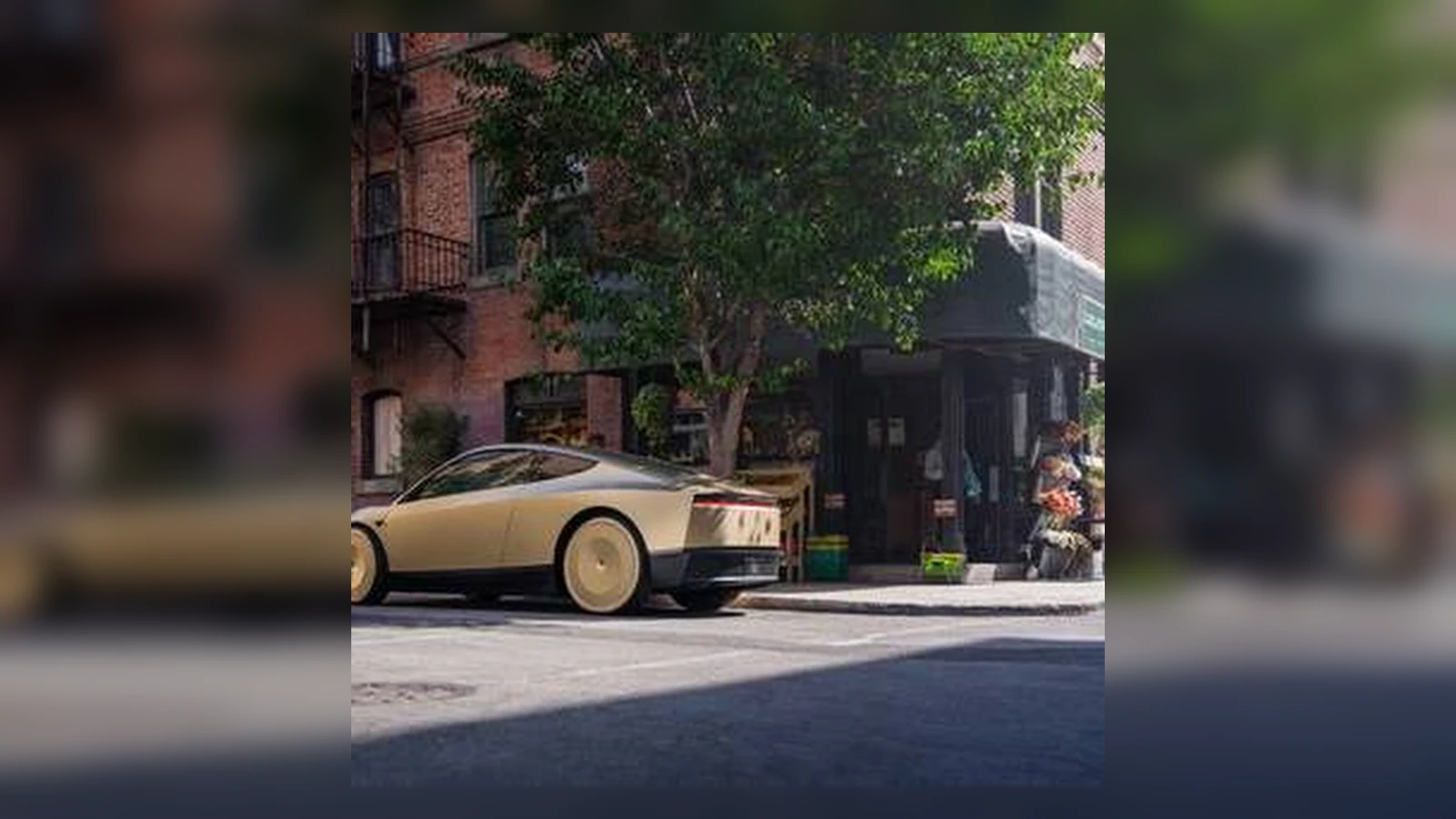
Cybercab has moved from demonstration to a paid service in Austin. That matters because it is a purpose-built robotaxi without a conventional driver position: no steering wheel, pedals or traditional mirrors. After commercial deployment began, the US National Highway Traffic Safety Administration opened an Audit Query to examine the basis on which Tesla self-certified Cybercab as compliant with applicable Federal Motor Vehicle Safety Standards.
Paid rides change the status of the story
Earlier Cybercab presentations could still be treated as Tesla roadmap material. Paid rides inside an operating Robotaxi network are real commercial use. Reuters reports the Austin launch and NHTSA’s own release explicitly refers to “commercial deployment.” We still do not know the daily available fleet size, rides per day or how often remote assistance is required, but the product has crossed a meaningful deployment threshold.
Cybercab is a two-seat vehicle without manual driving controls. That makes it different, from a regulatory perspective, from a conventional car equipped with automated-driving software. When a vehicle retains a steering wheel, pedals and normal driver layout, many safety standards can be applied in familiar ways. A vehicle with no driver station raises a different question: which legacy requirements remain applicable and how does the manufacturer justify applying or excluding them?
NHTSA opens an Audit Query
On 4 September, NHTSA formally announced the Audit Query. The agency says it will evaluate the technical data and processes Tesla relied on to self-certify Cybercab under the applicable FMVSS. NHTSA also notes that it is already working to modernise standards for automated vehicles without traditional controls, but existing requirements remain in force until that work is completed.
The distinction matters. NHTSA did not say Cybercab is illegal or order the service to stop in the announcement. It opened an investigation into the basis for certification. “NHTSA blocks Cybercab” would therefore overstate the event. The opposite claim — that paid service proves the compliance question is settled — would also be wrong.
Self-certification is not pre-approval
The US vehicle framework relies on manufacturers certifying compliance with applicable standards, subject to later agency oversight. Cybercab makes that process especially interesting because several historic rules assume a human driver and physical driving controls. The case can therefore become relevant well beyond Tesla by clarifying how purpose-built driverless vehicles fit into standards written around human-operated cars.
What is confirmed
- Commercial step: paid Cybercab rides have begun in Austin.
- Vehicle design: no steering wheel, pedals or traditional mirrors.
- Regulatory action: NHTSA opened an Audit Query into Tesla’s self-certification.
- Scope: the technical data and process used to support FMVSS compliance.
- Still unknown: daily active fleet, ride volume, operational assistance rate and the outcome of the agency inquiry.
Why Europe should care
Europe has its own type-approval regime, so a US regulatory decision does not transfer directly to the EU. The underlying problem is similar, however: most vehicle regulation was written for cars with human drivers, while Cybercab removes the driver and their controls entirely. European regulators will care about operating data, fleet supervision and accountability for automated decisions.
RoboMorrow take
This deserves a new story rather than another Cybercab preview. Commercial launch and a formal regulatory inquiry together create a market story about a purpose-built autonomous vehicle entering service while parts of the rulebook are still being adapted. The next update should wait for a NHTSA decision, an operational restriction, a formal exemption or a meaningful expansion beyond Austin.
What would show whether this is a scalable service
Opening paid rides does not yet answer the robotaxi economics question. A serious scale assessment needs at least the number of active Cybercabs, rides per day, peak-hour utilisation, remote-assistance interventions, cancelled rides and cleaning/service cost per mile. It will also matter whether Tesla reports Cybercab data separately from Model Y operations, because combining both fleets could hide the differences between a vehicle designed without a driver and a conventional car running automated-driving software. For RoboMorrow, the next stage of this story begins when those operating metrics appear or the service expands to another market, not when another video of the same Austin rollout is published.
See also: Tesla Optimus: what is confirmed and what remains a promise and the Tesla brand archive on RoboMorrow.