Tesla Optimus: what is confirmed and what remains a promise
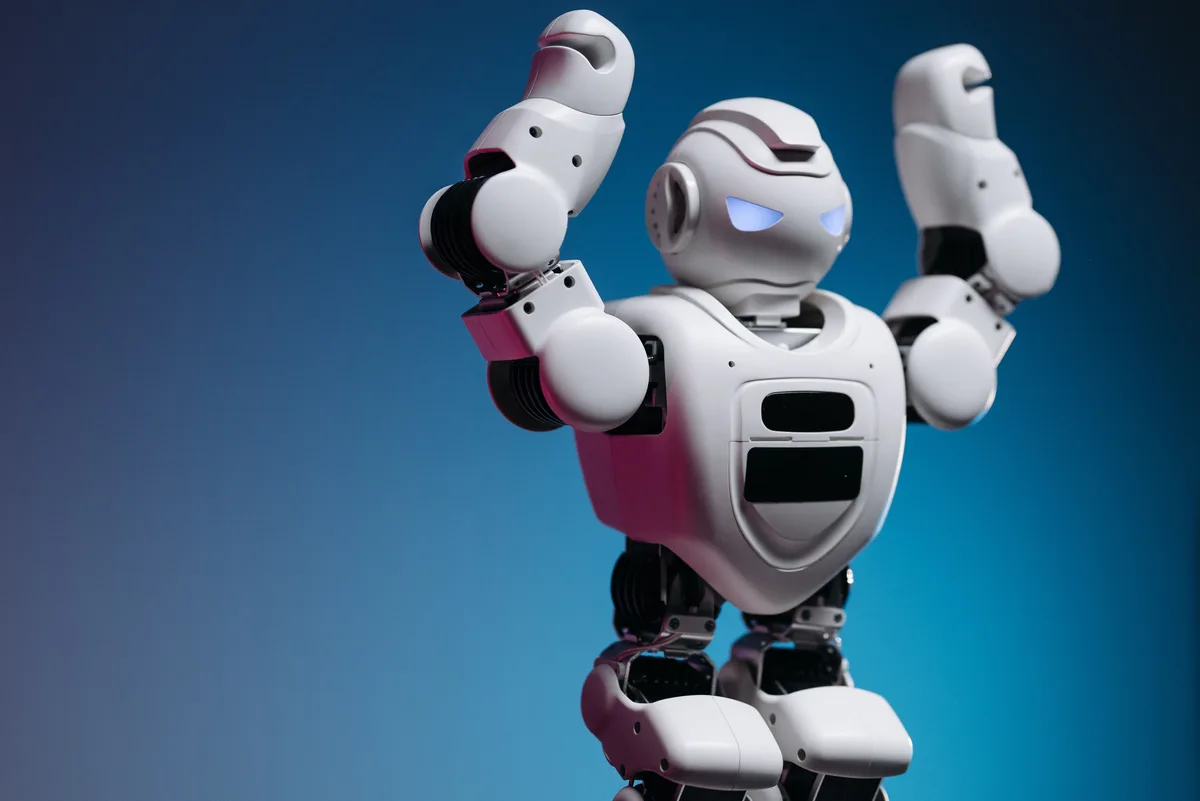
Optimus is probably the most recognizable humanoid design, but also one of the most difficult to reliably evaluate. Tesla shows more demonstrations, hires machine learning specialists and develops robots in its own facilities. However, there is still no regular commercial offer for consumers or a public product card containing price, warranty and scope of autonomy.
What does Tesla officially confirm?
On its website, Tesla describes Optimus as a generalist, bipedal and autonomous humanoid capable of performing dangerous, repetitive or boring tasks. The company indicates that achieving this goal requires developing balance, navigation, perception, manipulation and interaction with the physical world.
Team Optimus job postings confirm that Tesla develops, among other things, vision models, reinforcement learning, manipulation, full-body control, and model training and deployment infrastructure. This shows a viable engineering program, but does not yet provide a date for a consumer product.
Demonstration is not a specification
The video can show that the robot has completed the task at least once. However, it does not answer questions about the number of rehearsals, scene preparation, operator participation, reliability and pace. In robotics, the difference between "can do" and "does it independently every day" is huge.
Therefore, it is worth analyzing each presentation according to a simple scheme: whether the task was autonomous, whether the environment changed over time, how long the work took, how often intervention was needed and whether the result was confirmed by an independent user.
Why are Tesla factories a logical testing site?
Own plants give Tesla a controlled environment, access to data and the ability to quickly improve the robot. Logistics and production processes are repeatable and the company knows their costs. This is a better first market than random houses where the layout, objects and people's behavior change constantly.
If Optimus achieves factory reliability, the technology could later be expanded to other enterprises. However, the transition to home will require a higher level of security, intuitive operation and effective response to unusual situations.
What we still don't know?
- when regular sales to external customers begin
- what will be the device price and financing model,
- what scope of tasks the robot will perform without an operator,
- how many hours a day can it work,
- what will the service and warranty look like,
- if and when an offer compliant with the EU market requirements will be created.
Importance to the prospect
Optimus is important as an indicator of the scale of investment in humanoids, but should not yet influence the ongoing purchasing decisions of a small business. An enterprise that needs automation today should compare available mobile robots, arms, cobots and specialized devices.
What evidence do we need before changing status?
RoboMorrow will only consider Optimus as an available product once an offer with price, scope of delivery, warranty terms and deadline has been made available to an external customer. Industrial deployment status requires data from a process longer than a single show.
Tesla Ecosystem Advantages and Constraints
Tesla has its own factories, computing systems, training infrastructure and experience in processing data from autonomous systems. Therefore, it can quickly collect examples and implement subsequent versions of the software. At the same time, experience in cars does not automatically transfer to manipulation at home, where objects are smaller, more delicate and more diverse.
Most realistic route to market
- internal logistics tasks at Tesla plants,
- repetitive manufacturing operations,
- pilots with selected partners,
- enterprise product with limited skill catalog,
- only later household appliance.
This is an assessment of the likely process, not Tesla's official timeline.
RoboMorrow assessment
The project is real, but the product remains unverified on the market. The goal, team development and further tests are confirmed. Mass sales dates, final price and actual level of autonomy in everyday use remain unconfirmed.