CoreWeave Moves Into the Factory With Physical AI Field Engineering
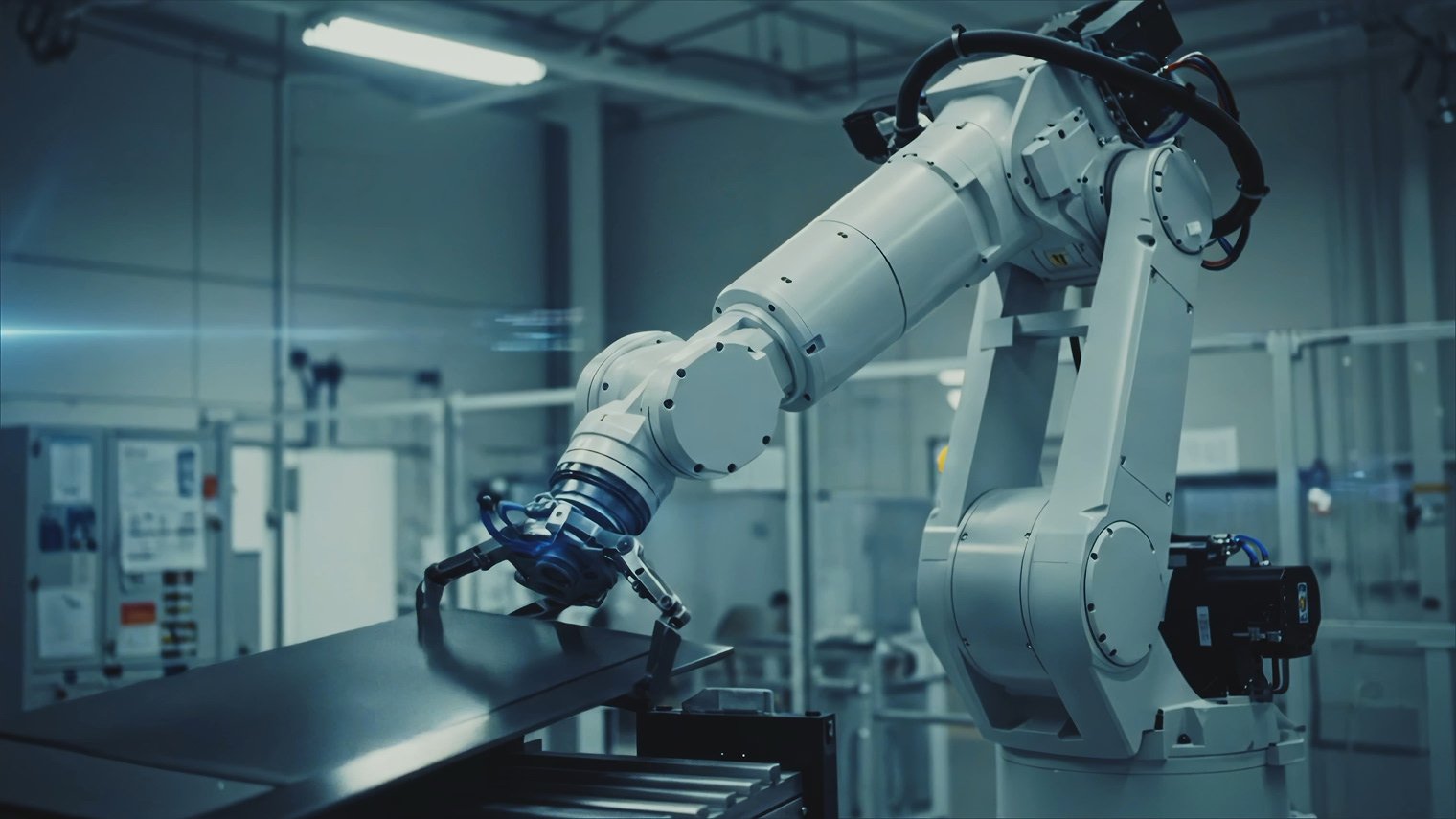
CoreWeave is best known for large-scale GPU infrastructure. The new offering shows that compute alone is no longer enough for Physical AI. The company wants to move closer to factories, laboratories and engineering teams because the hardest part is often not training a model but connecting it to the physics and operating process of a specific customer.
What Physical AI Field Engineering actually is
The model is straightforward: CoreWeave engineers join a customer team and work with data the company already owns, including test-bench results, simulation output, production sensors and live telemetry. The goal is to build, validate and deploy models across the full engineering lifecycle from R&D to in-field operations.
That is different from simply renting GPUs. CoreWeave is selling the ability to turn physical engineering data into a working model, while saying customers retain control of their data and resulting models.
Why industrial data is harder than internet data
Generative AI benefited from enormous corpora of text, images and code. Physical AI has a different data problem. Data are expensive, often private, strongly tied to a specific machine and harder to label. A model error is not merely a bad answer on a screen; it can become a bad decision in a physical system.
CoreWeave therefore emphasizes validation against the real physics of a customer system. A model for batteries, aerodynamics, suspension, robots or manufacturing needs to make sense inside engineering constraints, not only statistical ones. That requires domain expertise as well as machine-learning infrastructure.
More than 100 projects, but no single universal benchmark
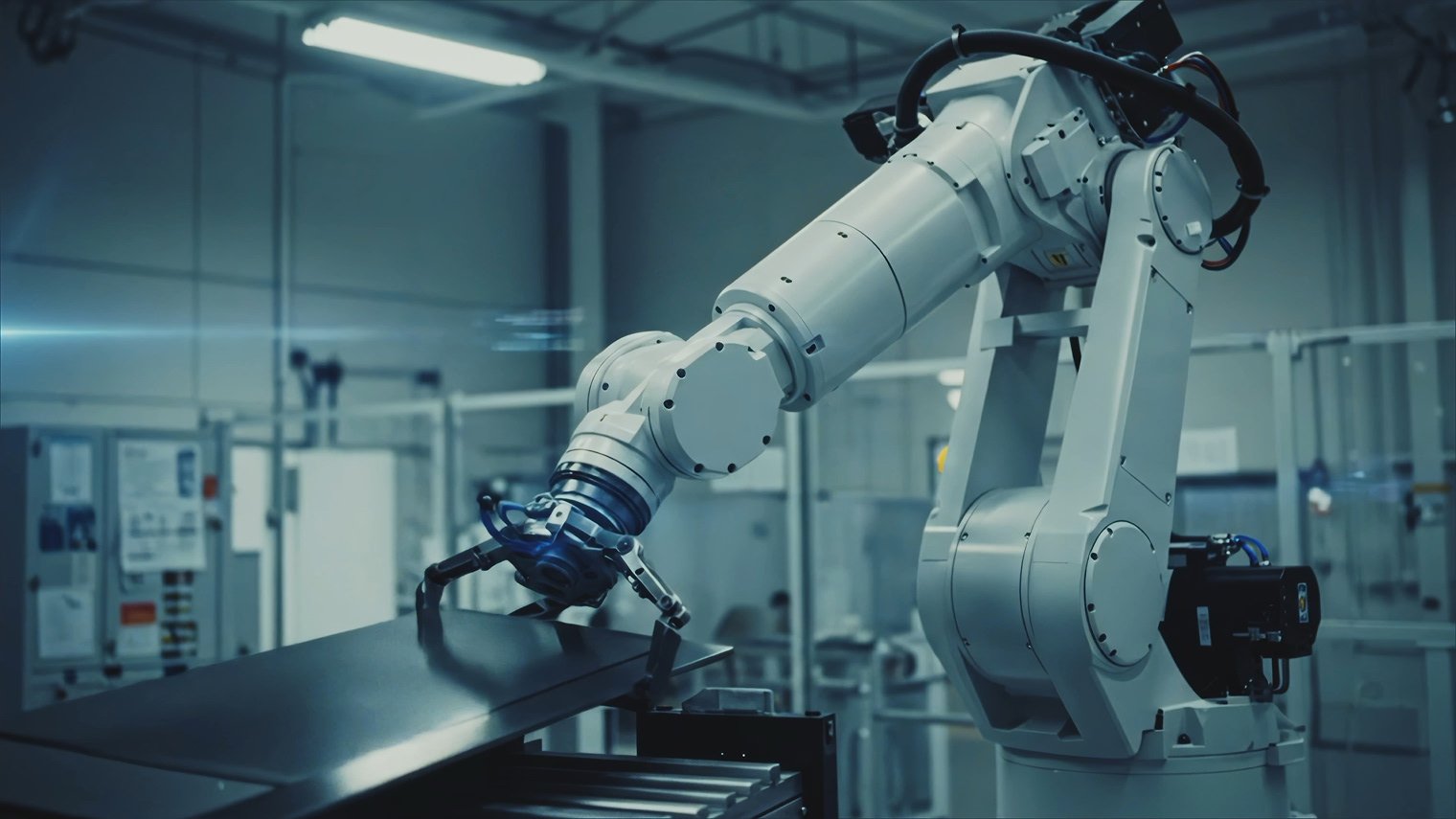
CoreWeave says the approach has already been applied across more than 100 engineering projects in automotive, aerospace and robotics. That is a useful experience signal, but it is not one standardized benchmark. Projects can vary widely in scale, objective, duration and production maturity.
The company names Nissan Technical Centre Europe and the Aston Martin Aramco Formula One Team among examples. In the F1 case, CoreWeave describes a transcription model processing 40 radio channels at once. It is a useful real-time engineering example, even if it is not robotics in the narrow sense.
What this has to do with robots
Robotics is a natural fit for this operating model. A robot maker may have hundreds of hours of telemetry, fault logs, camera data, actuator traces, simulation output and teleoperation recordings without having a team that can rapidly convert all of it into a training and validation pipeline. Field engineering is meant to shorten that path.
This matters especially for VLA models, reinforcement learning and world models, where real-world data are expensive and sim-to-real transfer remains a major bottleneck. Infrastructure, data lineage, model versioning and domain engineering are starting to become one stack.
Physical AI is becoming ordinary engineering work
The most interesting part of the story is not that CoreWeave added another service. It is a sign of market maturity. Physical AI is increasingly treated as a deployment problem: collect data, build a model, validate it, connect it to the process and maintain it after launch.
The same direction is visible across industrial robotics, where vendors are trying to automate not only robot motion but task setup, learning and adaptation. For RoboMorrow, the useful test is whether these tools reduce deployment time and integration cost rather than whether they produce another “agentic factory” headline.
What it means for Europe
Europe has strong automotive, aerospace, machine-building and automation-integration sectors, but less domestic AI infrastructure at the scale of the largest U.S. providers. Services such as Physical AI Field Engineering may accelerate projects while also increasing dependence on an external cloud stack.
For a European customer the practical questions are data location, telemetry access, model IP, on-premise or hybrid options, post-pilot operating cost and the path into production. CoreWeave says customers retain control of their data and models, but the exact commercial and technical terms still need to be assessed project by project.
What remains unknown
CoreWeave does not publish one standard price or ROI for the service. We also do not know how many of the 100-plus projects are robotics projects, how many reached permanent production or how long embedded teams remain with customers. Those gaps mean the program should not be presented as proof that Physical AI deployment is now easy.
The next material update would be a named robotics customer, a production-line deployment or operating data showing a measurable reduction in training and integration time.