Exein Raises $270M to Secure Physical AI
Verified 17 September 2026. Exein has raised $270 million at a $1.7 billion valuation. The Italian company develops runtime security for embedded systems and is explicitly positioning the new round around Physical AI security: robots, drones, vehicles and other machines that act in the physical world.
Machine security is different from app security
Compromising an application can expose data. Compromising a machine can additionally trigger physical movement, stop a production line or create an entry point into a customer's network. As robots gain cameras, remote updates, cloud links and generative models, their attack surface expands.
A foundation model for Physical AI security
Exein is developing a proprietary foundation model trained on machine telemetry and an agentic security architecture. The company reports a footprint of more than two billion devices and around 5,000 new non-repeating attacks per week, five times the level of a year earlier. Those are Exein figures and have not been publicly audited.
The agentic architecture is expected by the end of 2026, with the first foundation models planned for Q1 2027. The practical question is whether protection can operate locally and quickly without destabilising robot control.
$270 million and the European context
The round is led by Headline, with investors including Sofina, Goldman Sachs, EIB Group through the European Tech Champions Initiative, KfW Capital and T.Capital. Exein plans to fund US and APAC expansion as well as further product development.
The story is particularly relevant to Europe because makers of connected products increasingly need robust vulnerability management, update processes, documentation and security lifecycle controls. Cybersecurity is becoming a product characteristic alongside uptime and productivity.
What remains unknown?
We do not know which robot OEMs will first adopt Exein's new model, how it will be priced or what compute overhead it adds. We also do not know how it will behave in systems that require deterministic control latency while active security analysis runs in parallel.
The CRA is turning this from “nice to have” into process discipline
In Europe, connected-product security is becoming an operational obligation rather than a marketing add-on. Certain Cyber Resilience Act reporting duties have applied since 11 September 2026. Our CRA 24-hour reporting explainer covers the change for manufacturers. Exein fits that transition as a tooling provider, but using its product does not transfer regulatory responsibility away from the robot manufacturer.
The EU Data Act access-by-design requirement is also relevant. A robot increasingly collects data, connects to cloud services and takes physical actions. Security, data access and software updates are becoming one lifecycle problem.
Runtime security has a harder job than a scanner
Security running directly on a robot must balance protection with deterministic control. If analysis introduces unpredictable latency, it can become a motion-control problem. If it is too lightweight, it may miss attacks. Buyers therefore need more than detection-rate claims: CPU and memory overhead, latency, offline behaviour and update mechanisms all matter.
What data should Exein publish?
- performance overhead on representative robot compute;
- reaction time to unauthorised execution;
- false-positive rates over long operating periods;
- behaviour when cloud connectivity is lost;
- integration with SBOM, OTA and incident-reporting workflows;
- named deployments in robots or autonomous vehicles.
Affiliate status
Exein is an enterprise cybersecurity platform rather than a retail product. The lack of an affiliate link is intentional because RoboMorrow has no verified purchase path that would add value to readers.
A robot combines many suppliers, and every component expands the attack surface
A typical robot combines an operating system, open-source libraries, drivers, cameras, communications modules, OEM applications and often third-party AI models. It may also include a mobile app, service portal, cloud backend and integrator access. Without a reliable inventory, a manufacturer may not even know which deployed machines contain a vulnerable component. Runtime security therefore has to connect with component and update management rather than operate as an isolated agent.
An autonomous security agent becomes a critical component itself
Exein wants security models to react automatically without waiting for humans. That is logical when attacks unfold in milliseconds, but it raises another question: what happens when an agent blocks a legitimate robot process? In a physical machine, a false positive can stop production or trigger a safe stop at the wrong time. Fail-safe policies, decision auditing and controlled rollback will therefore be essential.
Security by design should start before robot selection
Industrial due diligence should ask for SBOMs, CVE processes, firmware signing, secure boot, remote-access scope, log retention and support periods. Buyers should also know who can teleoperate a machine and how privileged access is audited. Those questions belong in the RFP before a pilot, not after the first vulnerability is discovered.
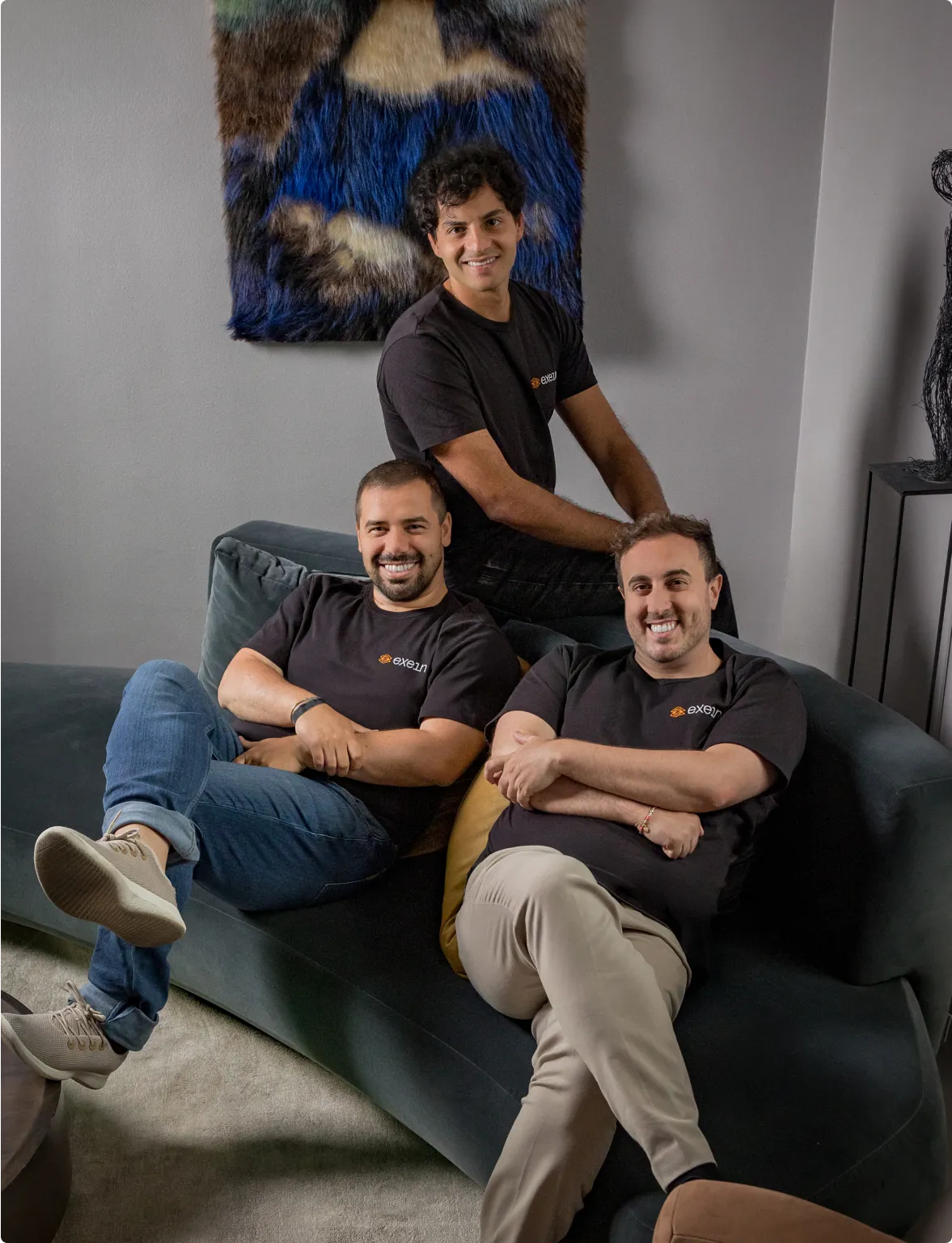
Featured image: official Exein leadership-team photo from the company’s About page. It replaces the idea of using a synthetic-looking funding graphic.