Reception robots in small businesses: the wow effect is not enough
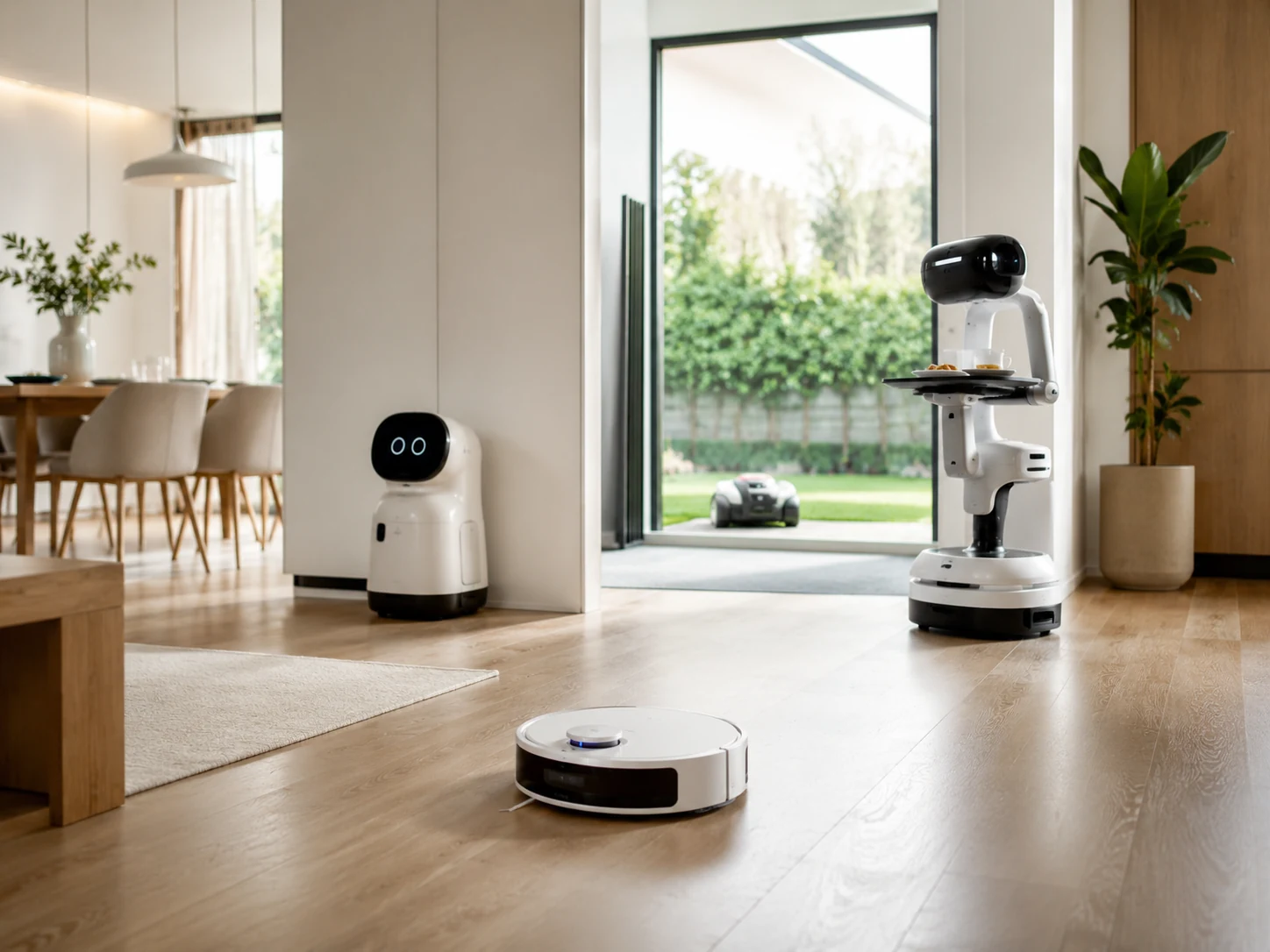
The robot at the reception desk may attract attention, but the first impression is not yet a business case. After a few weeks, employees and regular customers stop treating the device as a novelty. The question remains whether the robot shortens the queue, guides the guest, collects data or relieves the team.
What tasks are realistic?
- greeting and language selection,
- indicating the way to a room or station,
- display offers and answers to frequently asked questions,
- visit registration,
- calling the appropriate employee,
- transportation of light items if the robot is mobile,
- telepresence of an employee in another location.
Robot or kiosk?
Many functions can be performed using a screen, tablet or well-designed application. A robot makes sense when mobility, physical presence or the ability to guide a guest provides additional value. If the device stands still and displays a form, a simpler kiosk may be cheaper and more reliable.
Language and Noise
Speech recognition should be tested in an actual lobby, not in a quiet showroom. Accents, background conversations, music and reverberation significantly affect performance. The robot should have an easy touch mode and the ability to quickly transfer the conversation to a human.
Integration determines usability
The greatest value comes when connected to a calendar, queuing system, CRM or access control. Integration also creates risks: the robot gains access to personal data and company systems. Permissions should be kept to a minimum.
Error Handling
The key question is what the robot does when it doesn't understand the user, loses connection, or the path is blocked. A good system clearly acknowledges that they need help and escalates the matter to an employee. Pretending to be confident leads to frustration.
Privacy
The camera and microphone can record customers and employees. The company should establish the purpose, scope of recording, retention and information of people. It is worth avoiding continuous recording if local analysis is sufficient for navigation.
How to measure piloting?
- number of correctly handled queries,
- pre- and post-deployment wait time,
- number of human takeovers,
- number of crashes and lost missions,
- customer rating,
- employee time needed to manage the robot.
Availability for different users
The screen, buttons and messages should be accessible to people of different heights, with disabilities and without knowledge of the language. The robot cannot block the passage or force voice interaction on sensitive matters.
Content requires maintenance
Offers, hours and contact persons change. If the provider needs to update the response every time, costs increase quickly. The company should have a simple editing panel and version control.
Safe Mode
After a failure, the robot should park safely, indicate an alternative contact and not leave the customer without information. In a public facility, you also need an evacuation procedure and the ability to manually move the device.
Decision after pilot
If most users bypass the robot and go directly to the front desk, the design is not serving its purpose. The promotional effect may justify a temporary installation, but should be accounted for within the marketing budget.
RoboMorrow assessment
A reception robot makes sense when it is part of the process, not decoration. A small business should start with the problem and metrics before selecting a device.