UBTECH Says Overseas Humanoid Orders Exceed RMB 50M
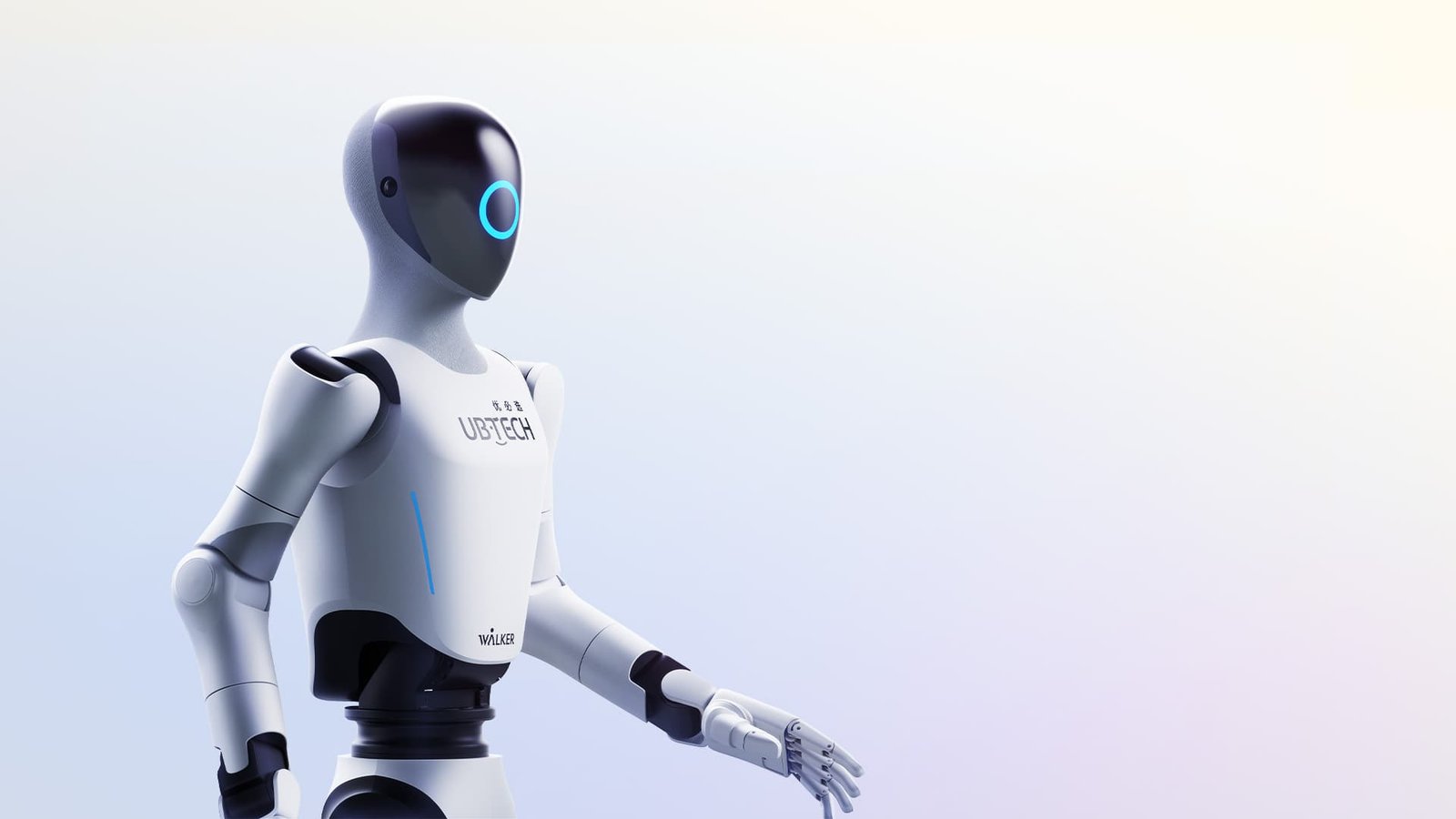
Chinese humanoids are increasingly becoming an export story rather than a purely domestic one. UBTECH Robotics says recent overseas orders exceed RMB 50 million. That is more useful than another stage demonstration, but it is still an order signal rather than proof of named customer deployments.
What is actually new
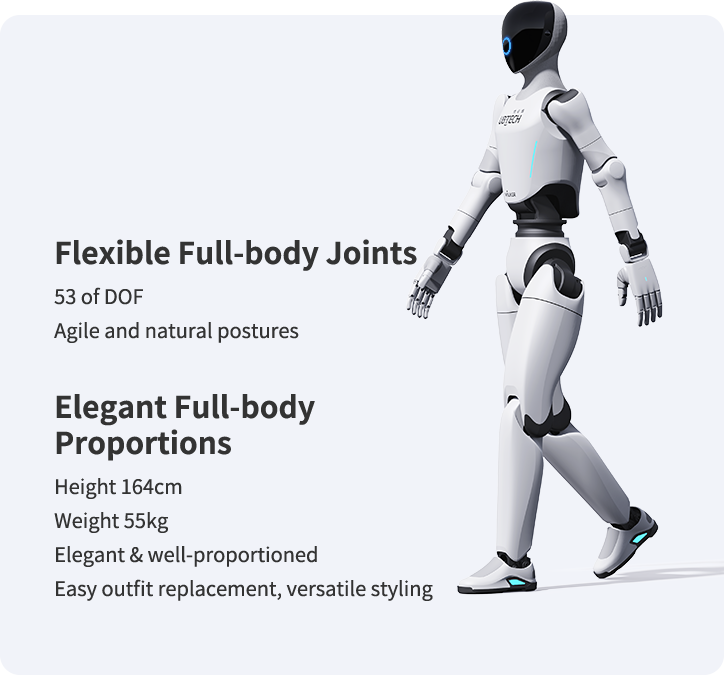
Walker C1 itself is not new. UBTECH previously showed it around Chain Expo and World Robot Conference 2026, and the official product page lists reception, tour guidance, shopping assistance, events, patrol support and education among intended scenarios. The new information is that C1 is part of a fresh overseas order package and that some of the demand is reported to come from Europe.
The second component is UWORLD U1. This ultra-realistic humanoid family previously attracted attention for high pricing and a large number of reservations. The latest order report places U1 alongside Walker C1 in international demand. U1 also entered Galaxy Land in Seoul on 10 September, providing at least one concrete South Korean presence point.
RMB 50 million sounds large. What does it really prove?
In an immature humanoid market, the amount is meaningful but needs context. UBTECH is already a company with real revenue, while humanoid sales are growing from a low base. More than RMB 50 million in overseas orders is a useful export signal, but it is not evidence that Europe has entered mass humanoid adoption.
The missing variable is unit volume. If much of the value comes from expensive U1 systems, the number of robots could be relatively small. If Walker C1 represents a large share, the order would say more about demand for commercial service humanoids. Without the split, converting the value into a robot count would be speculation.
Walker C1 is a real product; deployment still needs evidence
UBTECH’s official C1 page confirms that the company is building it for commercial spaces where robots operate around people. The manufacturer describes a multimodal AI engine, world-model capabilities, motion control, omnidirectional perception and an SDK for scenario customization. These are manufacturer product claims, not independent benchmarks of performance in a hotel, store or public facility.
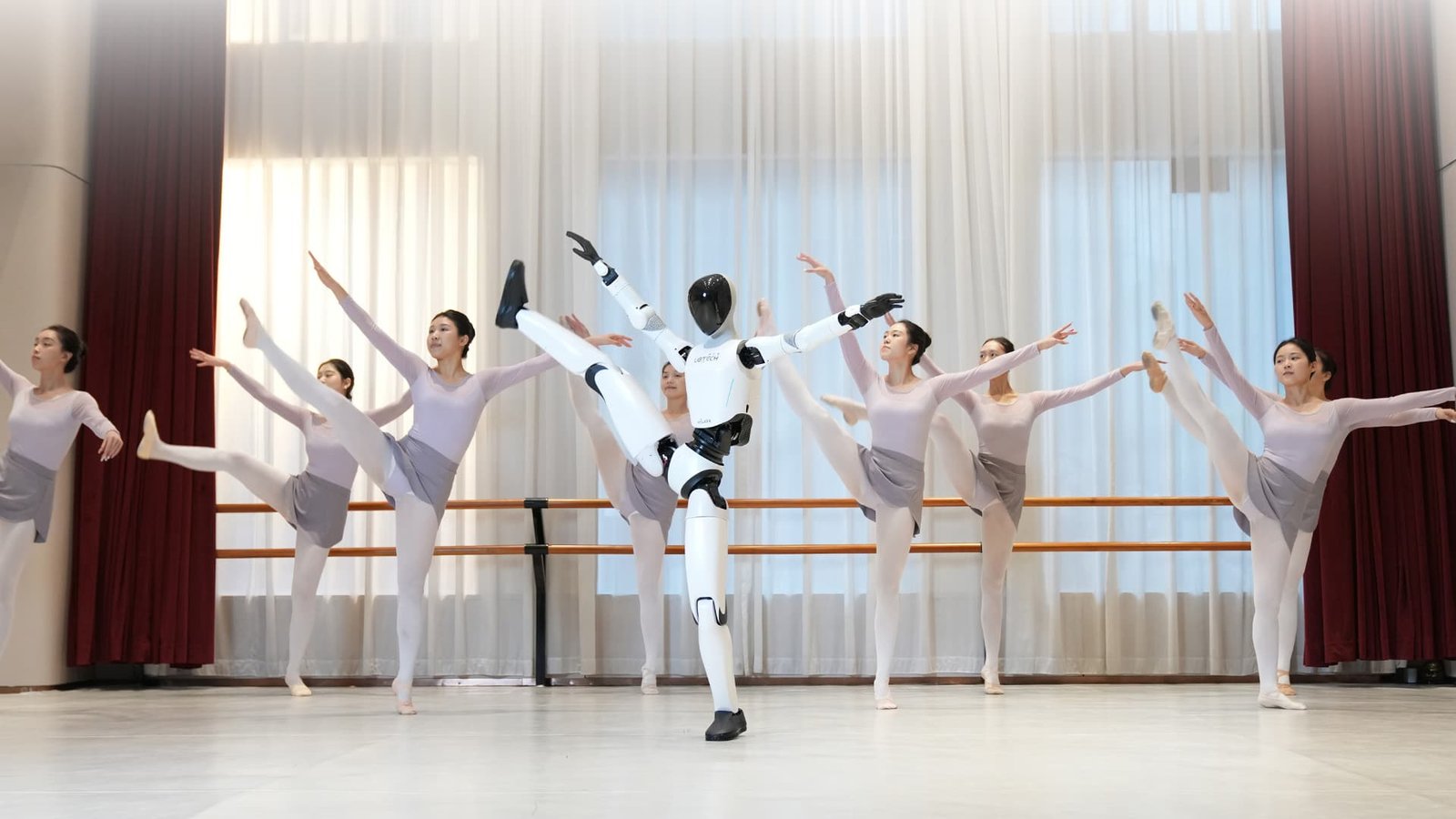
What UBTECH does not publish is equally important. There is no transparent public MSRP, uptime table, human-intervention rate or productivity dataset for regular service work. A dance demonstration is useful evidence of motion control, but it does not answer how the robot performs for eight hours around unpredictable customers and changing environments.
U1 is a very different market
Combining Walker C1 and U1 inside one order figure is interesting because the products address different needs. C1 is meant to be an organizational tool for reception, retail, events, education or public-facing services. U1 is an ultra-realistic platform where appearance, expression and human interaction are a major part of the value proposition.
Those categories also face different European barriers. C1 needs to prove deployment economics, service, safety and productive value. U1 will be judged more heavily on privacy, data processing, social acceptance and the quality of the user experience.
Europe is the most interesting part of the announcement
Japan and South Korea already have active service-robot ecosystems. Europe is a harder test: the market is fragmented, labor costs are high, but requirements around safety, privacy, cybersecurity and service are also demanding. Named customers and regular deployments would therefore be much more important than the headline order value.
RoboMorrow will watch four things: unit count, customer names, specific EU countries and whether robots have actually been delivered and put to work rather than remaining at contract stage. Those data points separate export activity from real adoption.
How it fits the 2026 humanoid market
Our H1 2026 humanoid shipment analysis showed that a large share of volume still goes to entertainment, research, data production and pilots rather than stable industrial work. UBTECH’s new orders do not change that picture by themselves, but they do show Chinese vendors trying to expand demand geographically.
If the next step is repeat European contracts, local service and utilization data, the story will become qualitatively stronger. For now the disciplined conclusion is that UBTECH humanoids are winning overseas orders, while European deployment still needs evidence.
What remains unknown
European customers, regional order values, unit counts, delivery dates and local support arrangements have not been disclosed. There is also no public dataset showing uptime or autonomy performance at the new locations. Those are the missing facts that will determine whether this becomes a durable expansion story.