Waymo targets a late-2027 Munich robotaxi launch as it enters Germany
Waymo has chosen Munich for its most concrete move yet toward commercial autonomy in the European Union. This is not a robotaxi launch today, but the company has published a sequence: manual mapping, testing with safety specialists, regulatory approvals and eventually a public driverless service.
Munich starts with mapping, not driverless rides
Waymo says its first vehicles will appear on Munich streets in the coming weeks. The initial phase will be manually driven and used to build high-definition maps. Testing with trained autonomous specialists behind the wheel follows. Only after validation and the required approvals does Waymo intend to open ride-hailing to the public.
That distinction matters. “Waymo in Germany” does not mean residents can already order a driverless car. The official target is commercial service toward the end of 2027, and the schedule remains conditional on testing and regulatory approvals. Reuters independently confirms the test plan, government engagement and target timeline.
Why Germany is an important Level 4 test
Germany has spent several years building a legal framework for Level 4 autonomous vehicles. That does not remove homologation or operating-permit requirements, but it gives companies a clearer path than exists in many European markets. Waymo says it is engaging with local, Bavarian and federal authorities.
Munich is also operationally harder than copying service into another U.S. city. European road design, cycling behavior, pedestrian interaction and traffic mixes are different. Success will depend on whether the Waymo Driver can maintain quality without reducing the operational design domain to a few easy corridors.
Waymo starts with meaningful fleet experience
Waymo reports more than 20 million trips and hundreds of thousands of commercial rides per week. It also publishes safety comparisons derived from more than 350 million fully autonomous kilometres. Those numbers are company-reported and should be read with methodology in mind, but they make Munich a test by an operator with substantial fleet experience rather than a small pilot startup.
Performance from current operating domains cannot simply be transferred to Germany. An autonomous-driving safety case is highly dependent on road environment, infrastructure and traffic behavior. That is why mapping and validation will be a long phase.
What it means for Poland and the EU
For Poland, Munich matters indirectly. If a major operator clears a full regulatory path and launches a driverless commercial service inside the EU, regulators elsewhere gain a practical reference for permits, liability, fleet supervision and integration with public transport. It does not automatically passport approvals to other countries, but it reduces the amount of policy work that must start from zero.
In the near term, deployments are more likely to concentrate in a handful of prepared cities than spread rapidly across the Union. Waymo has announced no Polish launch plan, so RoboMorrow is not projecting a Warsaw or Poznan date.
The market signal
For years Europe was mainly a place for partnerships and testing by U.S. autonomy companies. Waymo has now attached a concrete commercial target to a major EU city. The question is moving from whether robotaxis can arrive in Europe to how quickly they can clear local regulation and how large their real operating zones will be.
For RoboMorrow this is a useful example of physical automation that only matters when it operates every day, serves paying customers and clears the complete safety and operations stack. A driverless demo alone is no longer sufficient evidence.
Sources and methodology
Sources: Waymo, Aug. 25, 2026, Reuters and TechCrunch. Safety and ride-volume metrics are reported by Waymo and have not been independently audited by RoboMorrow.
What must happen between mapping and a driverless service
The first Waymo vehicles in Munich will not be a driverless public service. Manual mapping builds a high-quality representation of streets, signage, junction geometry and local traffic patterns. Later testing with an autonomous specialist behind the wheel is designed to validate the system against conditions that simulation cannot fully reproduce: trams, cyclists, road works, seasonal weather, unusual signage and local driving behavior.
Only then comes the harder regulatory layer. Germany has a legal framework for Level 4 autonomy, but a specific service still needs permits, an approved operating domain, supervision procedures and clear responsibility. Waymo will also need fleet operations for cleaning, charging, maintenance, remote support and recovery when a vehicle encounters an unusual situation. A robotaxi service is therefore an operations and logistics system as much as an AI product.
Why Munich matters more than another U.S. market
Europe is a tougher portability test than launching in another American city because the company must handle different regulation, road infrastructure, languages and public expectations. If Waymo moves from mapping to a paid service near its stated late-2027 target, it would be strong evidence that its stack can cross legal and geographic boundaries. It does not mean Warsaw or another Polish city is next, but it could create a European precedent that reduces friction for later deployments.
What to watch over the next 12 months
The next milestones are straightforward: moving from manual mapping to autonomous testing with a safety operator, public details on required approvals, and a defined operating area for the planned service. Any schedule slip will be as informative as the start of testing because it may reveal whether technology, regulation or fleet operations is the main constraint. For Europe, the key question is whether the German approval path can become a template for other EU markets or whether every expansion remains effectively a new process from scratch.
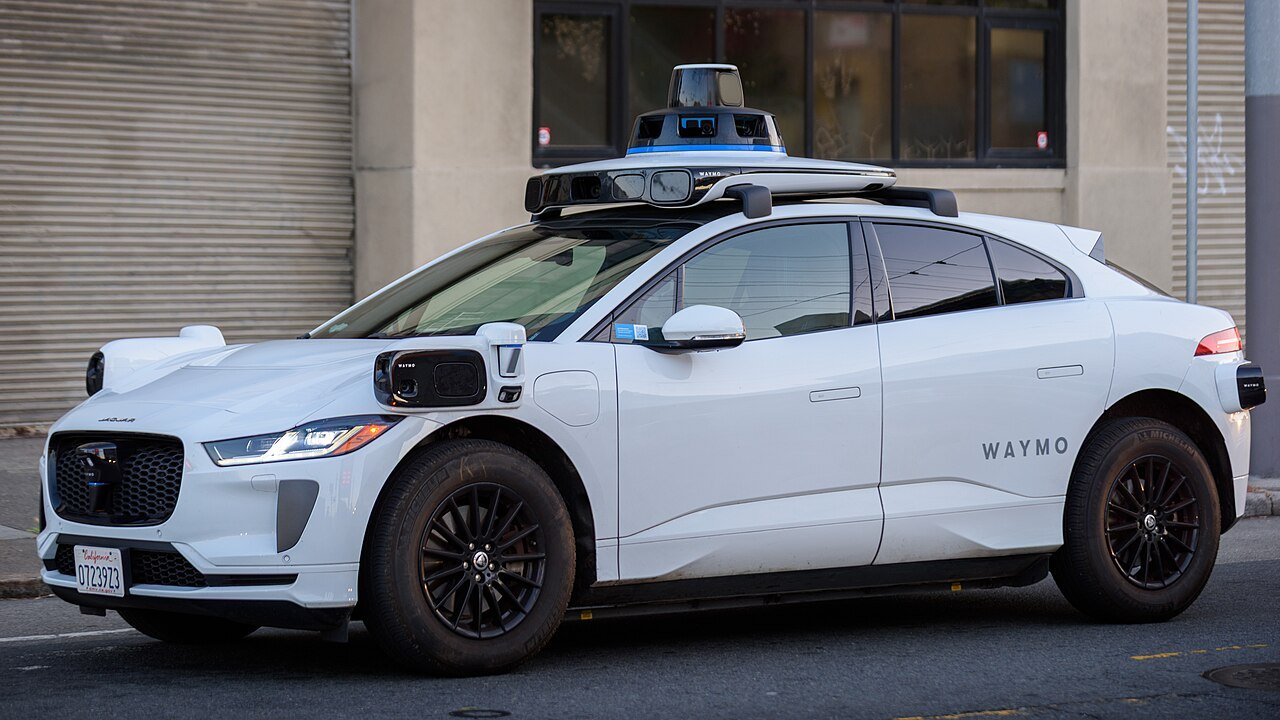
Featured image: 9yz / Wikimedia Commons, CC BY 4.0. The Waymo Jaguar I-PACE was photographed in San Francisco in 2025; it is used illustratively and does not depict Munich testing.