Cognex to acquire RealSense for $500M in a major robotics perception deal
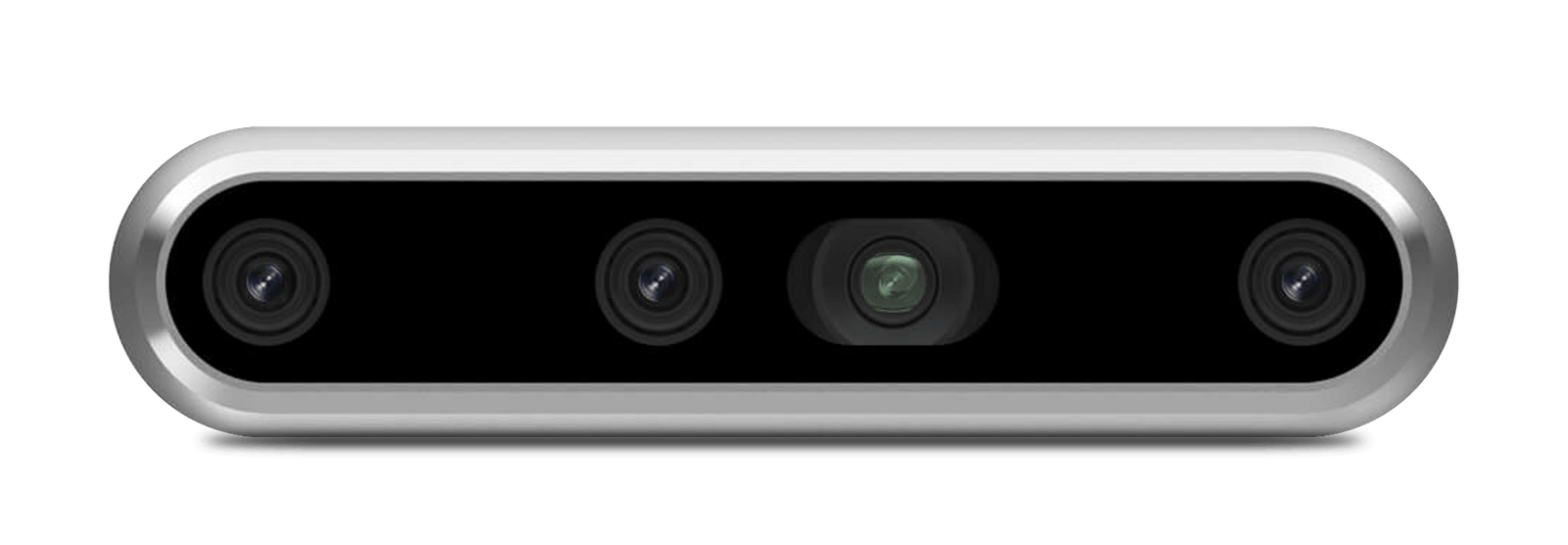
Cognex has signed a definitive agreement to acquire RealSense for approximately $500 million in cash. The transaction has not closed yet; completion is expected in Q4 2026 and remains subject to customary conditions.
Cognex is moving deeper into robotics through the acquisition of RealSense, one of the best-known suppliers of depth cameras and 3D perception technology. The roughly $500 million price is notable, but the more important robotics story is the combination of two layers: Cognex industrial machine vision and RealSense depth sensing, SDKs and developer ecosystem.
RealSense originated inside Intel and was spun out as a separate company in 2025. Its cameras are used in mobile robots, robot arms, vision systems, quadrupeds and humanoids. That makes this more than the acquisition of another camera brand. It affects a basic component robots use to estimate distance, reconstruct their surroundings and plan movement.
What Cognex is buying
The announcement says RealSense is expected to generate $80 million to $90 million in 2026 revenue, more than 50% above the prior year. That is company guidance, not a closed full-year result. Cognex estimates the robotic-perception market at roughly $600 million today and about $1.6 billion by 2030, growing more than 25% annually. RoboMorrow treats those figures as the buyer's market sizing rather than an independent consensus forecast.
Before closing, the Facial Authentication product line is expected to be spun out into a separate company. Cognex is therefore primarily acquiring the machine and robotic-perception business. The stated strategy is to combine industrial identification, 2D and 3D machine vision, depth perception and robotic navigation into a broader visual-intelligence stack.
Why this matters for Physical AI
VLA models and robot foundation models attract attention, but a robot still needs reliable sensory input. If image, depth and calibration are wrong, a better model cannot fully compensate for incorrect world geometry. Perception is therefore becoming a strategic Physical AI layer. Cognex brings a large industrial customer base; RealSense brings depth technology and a broad developer community.
The deal fits the wider trend covered by RoboMorrow in our D-Robotics $400 million funding analysis: value in robotics is moving not only into the robot body but into compute, sensors, data and software that make repeatable deployment possible.
The key question: will RealSense remain easy to access?
For integrators, the more important issue than acquisition price is whether broad camera availability, SDK stability, documentation and multi-platform support remain intact. RealSense became popular partly because teams could buy a camera and integrate it with ROS, PCs and edge-AI systems without a long enterprise procurement process. If Cognex preserves that model, it can combine developer accessibility with industrial sales reach and support.
If the portfolio instead moves toward tightly packaged enterprise solutions, some startups and labs could look for alternatives. There is no evidence yet that Cognex intends to do that. The companies have not announced changes to product pricing, SDK licensing or channel availability.
RealSense D455 remains a common entry point for stereo depth. Check current availability on Amazon. Affiliate link; price and seller can change.
What we still do not know
- whether and when regulators will clear the transaction;
- whether camera pricing or distribution policy will change;
- how Cognex will position developer products versus industrial solutions;
- whether the SDK and existing integrations will remain under the same terms;
- how quickly joint Cognex–RealSense products will appear.
RoboMorrow take
This is one of the more consequential 2026 deals in robot perception. Not because $500 million is a record price, but because RealSense is already embedded in a very large number of robotics projects. If Cognex can add industrial distribution and support without closing the developer ecosystem, the deal could help depth perception move from prototypes into larger production deployments.
What to watch after the transaction closes
The first signal will be the product roadmap. If Cognex quickly connects RealSense cameras with its own vision software and integrator channel, customers could gain a clearer path from sensor to application. If little changes for a year, the acquisition may initially be more of a portfolio move. The second signal is availability: pricing, lead times and broad distribution will reveal more about strategy than an investor presentation.
The third area is software. RealSense SDK is embedded in thousands of projects, and many teams have code that depends on specific interfaces. Major licensing changes or rapid product discontinuations could raise migration costs. Conversely, stable SDK support, better calibration tooling and Cognex industrial support could create real value for integrators.
Europe should also watch local support. A production robot cannot wait weeks for camera diagnosis. Cognex already has a substantial industrial presence, so in theory it can strengthen RealSense service coverage. That practical support layer — not the logo of the new owner — may determine whether the deal benefits smaller robotics companies.