Would you welcome this robot into your parents’ home? Meet Kawasaki’s Home LEO
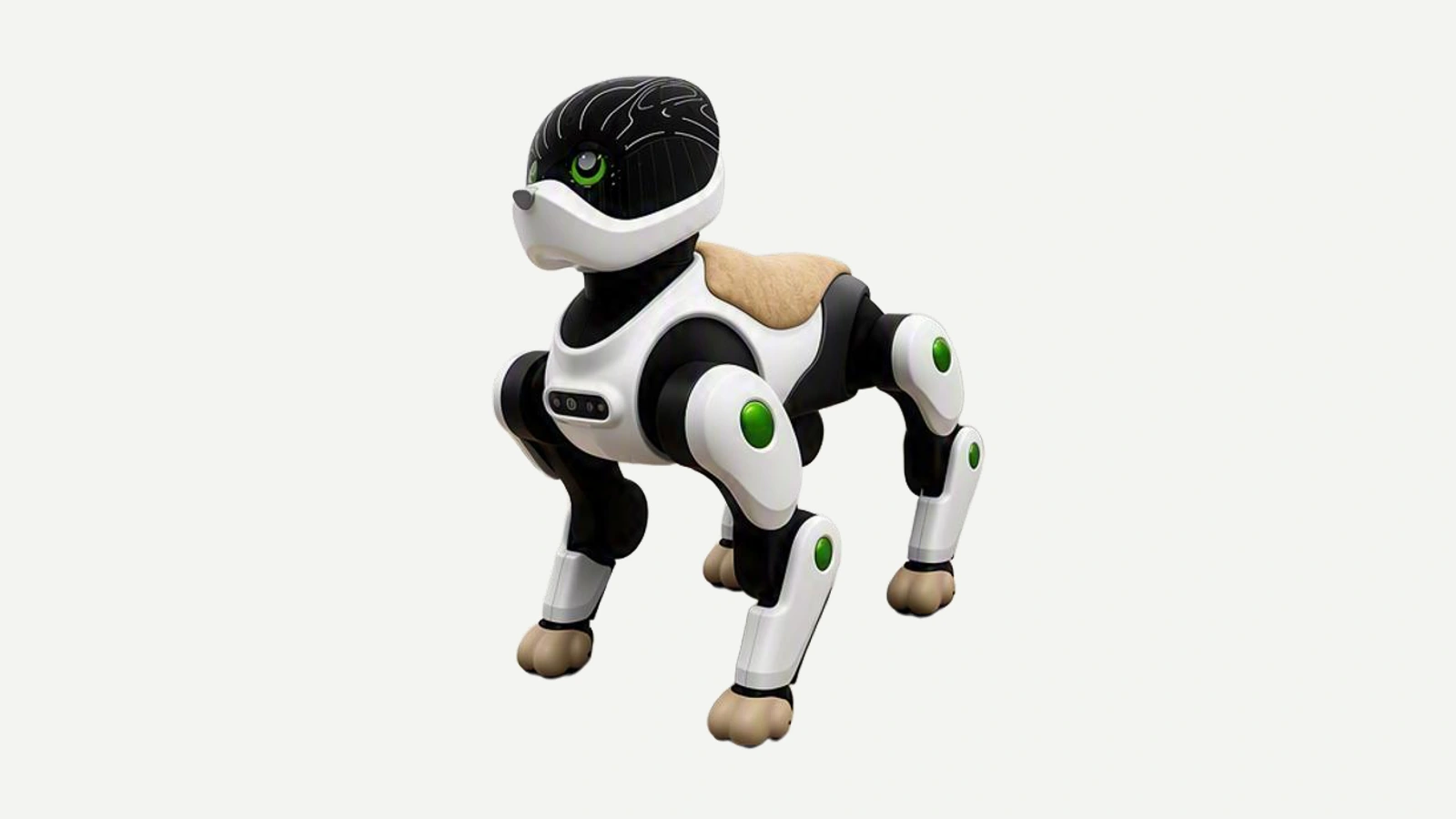
Would you welcome a robot into your older parents’ home if it could talk with them, move around the house and help notice when something was wrong? Kawasaki wants to explore that role with Home LEO. The company unveiled its prototype on 6 October, with a market launch targeted for fiscal 2028. Everyday care is still a development goal.
A robot intended to become part of the household
Kawasaki’s announcement describes a social robot intended to support older people living at home. Its proposed role covers conversation, learning daily habits, finding items and responding to unusual situations. The feature list explicitly includes capabilities planned for future development. That distinction matters when watching an appealing demonstration.
The most interesting part is the role itself. A useful household companion has to fit into ordinary routines: respond to a request, wait, give someone room and accept a refusal. A robot could perform beautifully for a minute on camera and become irritating if it kept interrupting. Knowing when to leave its user alone would also be part of doing the job well.
The demonstration draws attention. Routine will decide the value
Jiji reports that the robot picked up a phone during the presentation.
Kawasaki has published an official Home LEO introduction video. The appearance and scenarios in a manufacturer presentation need to be separated from an assessment of a finished product. A longer recording of household use would be particularly helpful, including repeated tasks and misunderstood instructions. That would make it possible to examine recovery from mistakes and the amount of assistance required.
Our first practical tests would focus on small tasks. Does finding an item actually save the user effort? Can someone with reduced hearing follow the conversation? Can the owner stop the device easily? Those are questions for future evaluation, rather than results from testing Home LEO.
Care also means responsibility for personal data
The manufacturer envisages collecting information about everyday life and coordinating with care providers with the user’s consent. In this setting, control over personal data becomes part of the product’s value. A family should know who receives notifications, who can access the history and how information collection can be disabled without removing all useful assistance.
Alerts would need a separate assessment. Too many notifications could cause someone to stop paying attention; a missed incident could leave a family with misplaced confidence. We would therefore want to see scenario-based trial results and a clear explanation of what happens after a mistake. Listing fall or hazard detection in a presentation does not establish dependable performance.
Availability: a prototype with a development timetable
Kawasaki plans further trials ahead of its intended launch. The announcement gives no price or international retail timetable. Home LEO remains a development project, so there is no basis for recommending it today as a ready-to-use safeguard for a relative.
RoboMorrow’s assessment: Home LEO addresses a personal question: how can a family support someone while respecting their independence? Success will depend on whether an older person chooses to use the companion and finds everyday life easier with it around. Would you see a place for one in your family’s home?
Explore the Home LEO database profile and our story about robots working in hospitals. For broader context, read our overview of the next wave of home robots.
Sources and verification
- Kawasaki — Home LEO prototype announcement, 6 October 2026
- Kawasaki — Japanese announcement and manufacturer media
- Kawasaki — official Home LEO introduction video
- Kawasaki — Group Vision 2030 presentation, 6 October 2026, slides 82–85
Verified 7 October 2026. Manufacturer materials; RoboMorrow has not tested the device. Image: Home LEO — product image from Kawasaki’s presentation. The two announcement translations come from the same manufacturer.