This humanoid is built for bomb-disposal work. Roger keeps a human in control
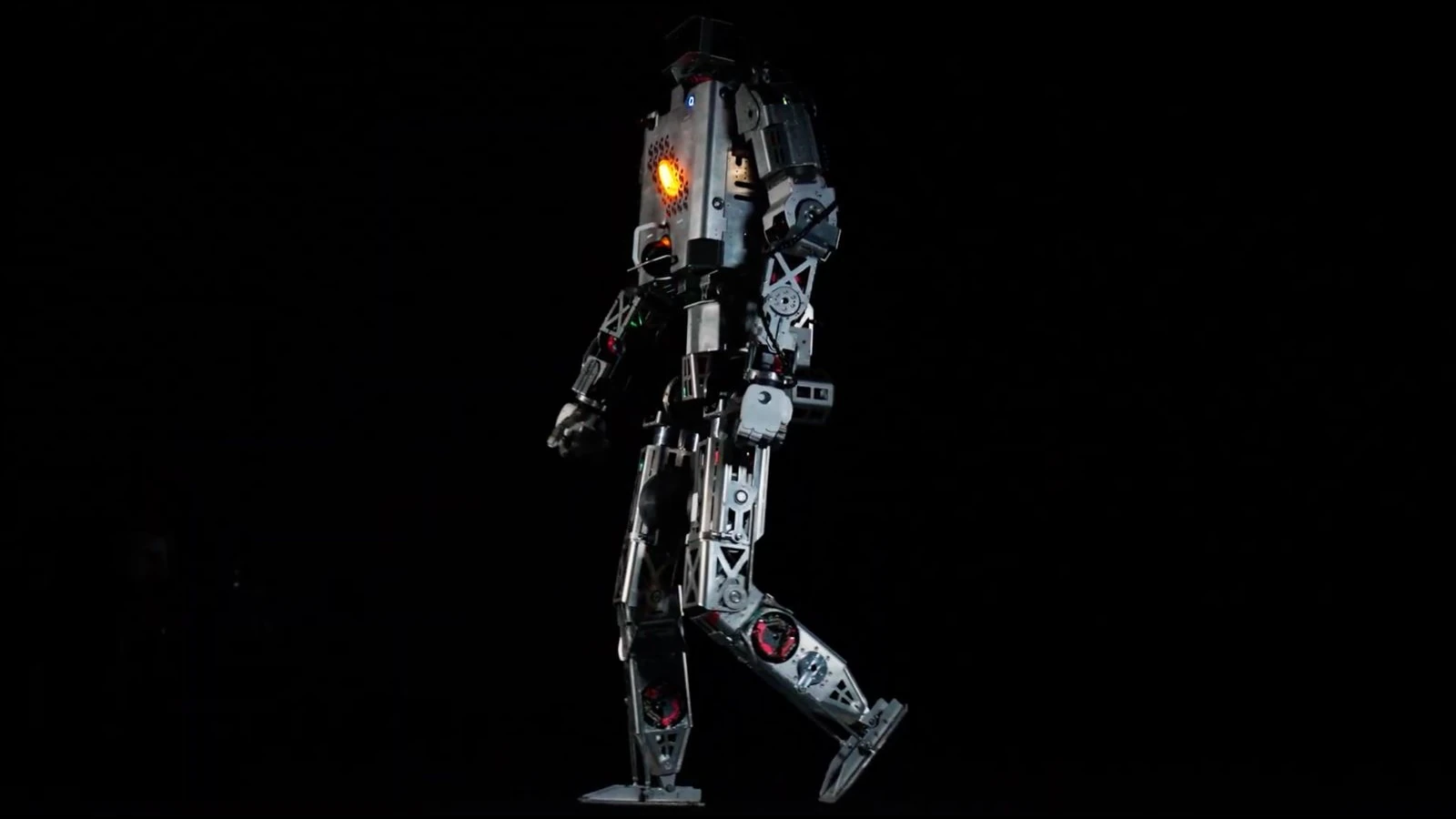
A humanoid is intended to stand beside a suspicious device while the bomb technician sees through its cameras and moves its hands from outside the danger zone. That is the role Minerva Humanoids is developing for Roger. On 6 October, the company announced approximately $10 million in funding and plans for its first paid pilots this autumn. The compelling feature is its deliberate choice to keep critical decisions with a person.
The operator wears VR; the robot faces the hazard
On its public safety page, Minerva describes an operator setup using a VR headset and haptic gloves. A specialist is intended to receive the robot's view and perform precise actions remotely. The onboard AI manages movement and balance while the operator directs the task.
That division has a practical rationale: a technician's experience remains part of the operation while the machine takes the physical exposure. It avoids having to teach AI to resolve every unusual situation independently before the system can be useful. The operator still needs a clear enough view and predictable robot responses. Our explainer on teleoperation and remote operators explores this arrangement.
Why use a humanoid?
Roger is being developed for hazardous-material tasks and energy-sector work. The manufacturer points to inspection and remote valve operation among its intended applications. Two arms may matter when a task requires holding a component while using a tool. Legs offer a design approach to spaces built for human access.
That rationale needs to be evaluated through specific tasks. Reaching the worksite, staying stable and recovering the machine all matter alongside manipulation. Spot with Orbit for industrial inspection illustrates another approach to putting robots to work inside a facility.
A prototype approaching paid pilots
In an original interview with Humanoids Daily, Sandor Felber confirmed Roger's prototype status. He described further ruggedization work and an autonomous return-to-base capability still under development. The first paid oil-and-gas pilot is planned for autumn 2026; the company is targeting a transition to operational service contracts in 2027.
The supplied photograph shows a physical robot. Its existence alone does not establish reliable task performance in smoke, after a communications failure or on unstable ground. The reviewed sources do not provide independent confirmation that Roger has successfully disarmed a real explosive device.
Research for difficult environments
The project also has an earlier research foundation. On 29 January, MBZUAI announced a two-year collaboration with Minerva covering perception, navigation in limited visibility and simulation of industrial interventions. This provides context for the October funding announcement: the university describes a technology-development programme.
RoboMorrow's assessment: count safely completed tasks
The most persuasive pilot result would show the complete sequence: reach the worksite, complete a useful action and return safely. We would want to know how often additional staff had to intervene and what happened when communications were lost. Those results would help establish how much human exposure the system actually removes. Roger has a clear purpose. Its next challenge is delivering it in the field.
Find the development stage and control approach in our Minerva Roger database profile.
Sources and verification
- Minerva Humanoids — announcement, 6 October 2026
- Humanoids Daily — original interview with Sandor Felber
- Minerva Humanoids — Roger and operator control
- Minerva Humanoids — intended public safety applications
- Minerva Humanoids — energy applications
- MBZUAI — research partnership, 29 January 2026
Verified 7 October 2026. Based on manufacturer materials, an original interview and a university announcement; RoboMorrow has not tested Roger. Photo: Minerva Humanoids, press asset supplied with its 6 October announcement. It shows the prototype, not a bomb-disposal operation.