Retail robots compared: which count stock and which refill shelves?
An empty shelf can mean the last unit has sold, the item is waiting in the stockroom or someone has moved it a few aisles away. The gap looks the same to the shopper. For a retailer, these are different operating problems and different reasons to buy a robot.
Three systems and the output each delivers
| System and example customer | What it delivers | What people still do |
|---|---|---|
| Simbe Tally · Schnucks, Harmons | Travels the aisles and captures shelf-availability data. Store staff receive an exception to investigate. | Confirm the issue, locate stock and restore the display. |
| PAL Robotics StockBot · Decathlon | Mobile RAIN RFID reads help count tagged merchandise and identify its location. | Maintain tagging, reconcile discrepancies and move goods. |
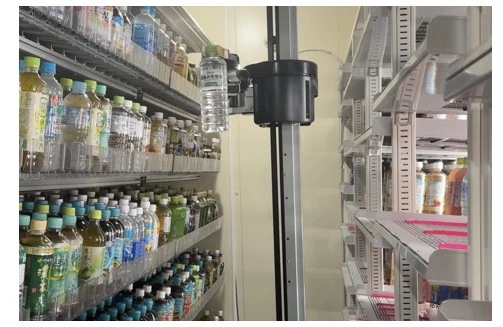
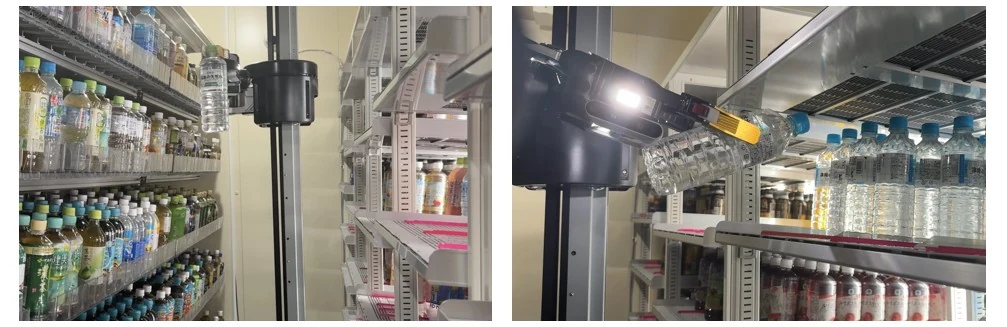
| Telexistence TX GHOST · FamilyMart | Takes a drink from a digital reserve shelf and physically places it on the refrigerator's sales shelf. | Receive deliveries and load the reserve shelf. |
Which question are you trying to answer?
“Why is there a gap at this price label?” Start by observing the shelf front. The team needs the exact location and time of the exception. A visible gap alone does not distinguish an ordering error from a delayed delivery or a missed refill. Harmons announced its Tally deployment after a pilot. Simbe also describes chain-wide adoption at Schnucks. In October 2025 Harmons reported 17 live locations following an initial five-store rollout.
“Where is the last unit in this size?” In a sporting goods store, customers can move merchandise between departments. PAL describes StockBot deployments at Decathlon. RFID can read a tagged item's identity even when its label does not face a camera. Read coverage and location accuracy should be tested in the store where the robot will work.
“Who will put the bottle in the refrigerator?” Here, the output is a physical placement. FamilyMart reported about 70% less labour time for beverage replenishment in early stores and plans phased deployment from January 2027. That result belongs to a specific process involving both a robot arm and a digital stock shelf.
How to compare store pilots
Record peak hours, delivery times and staff workload over the same period. For shelf scanning, measure elapsed time from a detected gap to a completed refill. For RFID, check counts against a manually verified sample. For an arm stocking drinks, count correct placements per hour and time spent loading its reserve shelf. A useful common measure is the time a customer can actually buy the intended item. Distance travelled by a robot will not tell a retailer that on its own.
Related coverage
- How does TX GHOST restock drinks at FamilyMart?
- Simbe passes 3,000 contracted robots as retail Physical AI scales
- 26 robots at Carrefour: what changed in Reims?
- Japan’s robotics map
Sources
- Simbe · Tally
- Harmons / Simbe · 29.10.2025
- PAL Robotics · StockBot
- FamilyMart · 19.11.2026
- Telexistence · 19.11.2026
Lead image: FamilyMart / Telexistence.