Wandercraft says Calvin-40 has 12 customers beyond Renault
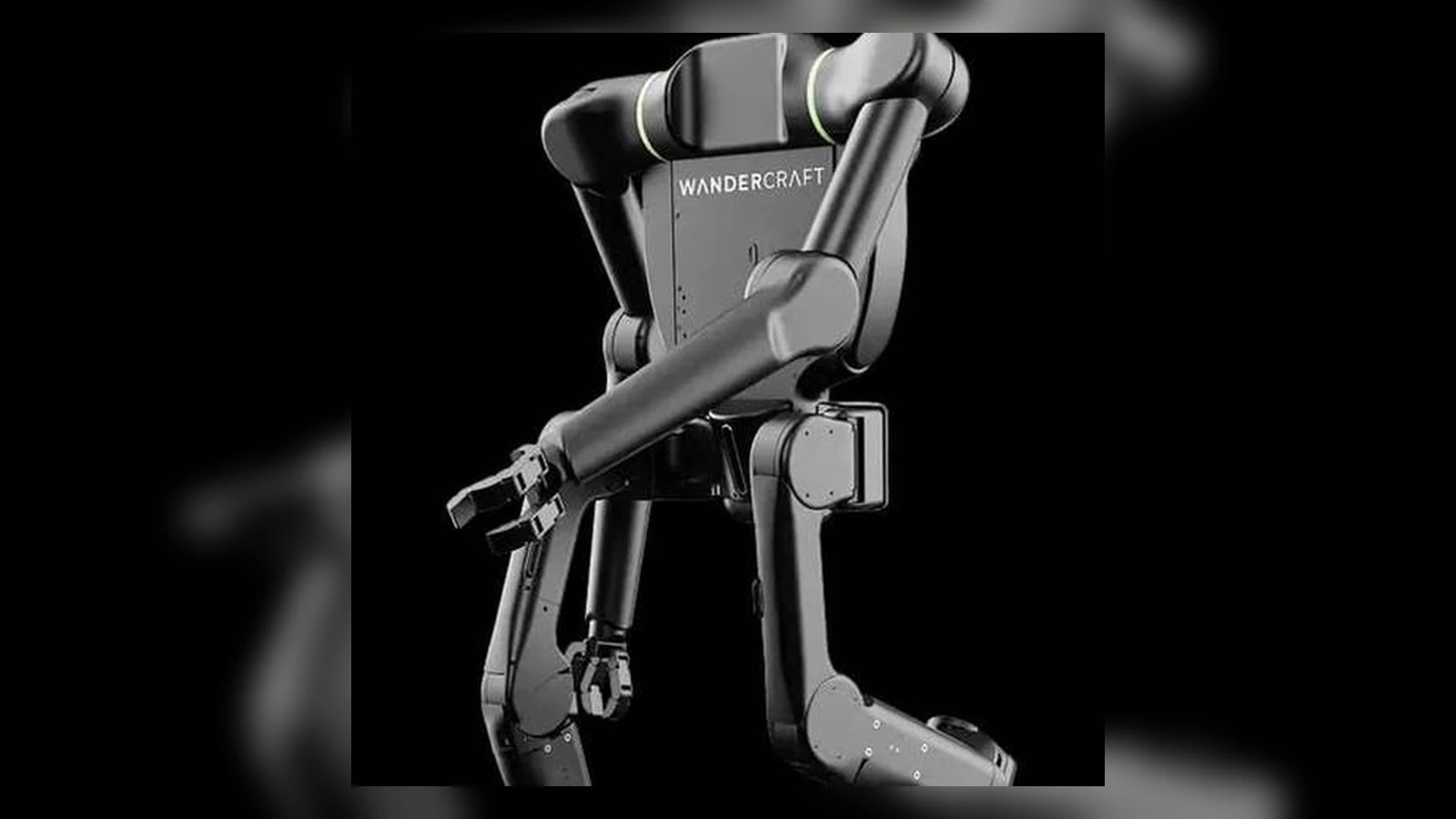
France-based Wandercraft says its Calvin-40 industrial humanoid now has 12 blue-chip customers across automotive, logistics, retail, healthcare and defence. That is a meaningful commercial signal because Renault has until now been the clearest reference point for Calvin-40. The announcement still needs careful reading: the word “customer” does not tell us whether each case is a one-unit pilot, a fleet order or a multi-year production contract.
What Wandercraft actually announced
On 4 September, Wandercraft said it had secured 12 customers for Calvin-40. It describes them as major organisations across several industries but does not publish the complete list. It also gives no order volumes or financial value. For the humanoid market, the important point is therefore not simply the number 12; it is the attempt to move beyond a single strategic partner and collect operational data from different work environments.
Calvin-40 is being developed first for material handling: boxes, parcels, tyres, panels, carts and other larger items. Wandercraft identifies picking and sorting as next capabilities under development, moving toward finer manipulation. The company also says it is preparing to ramp production, but it has not disclosed a target factory capacity or a delivery schedule for the newly announced customers.
Strategy: useful task clusters before generalisation
Wandercraft is explicitly resisting the idea that a humanoid needs to do everything on day one. Its stated approach is to establish reliability in commercially valuable task clusters first, then expand the repertoire using data from real deployments. That is a pragmatic industrial strategy: a factory buys uptime, safe repeatability, cost per completed operation and process integration, not an impressive movement demo.
The approach also reflects Wandercraft’s history in self-balancing medical exoskeletons, where stability, control and safety are foundational requirements. Calvin-40 carries some of that engineering philosophy into industrial robotics. Clinical-robotics experience does not automatically guarantee factory uptime, but it gives the team a different starting point from startups with no previous robot deployments around people.
Renault remains the key reference customer
Wandercraft again points to its strategic partnership with Renault Group, which contributes manufacturing, engineering, procurement and design-to-cost expertise. Renault previously announced plans to deploy 350 humanoid robots over 18 months. That is not a new 4 September figure, so RoboMorrow uses it only as context for scale rather than presenting it as part of the new event.
What is confirmed — and what remains unknown
- Confirmed by Wandercraft: 12 customers spanning automotive, logistics, retail, healthcare and defence.
- Tasks in development: handling larger objects, followed by picking and sorting.
- Company plan: ramp manufacturing and broaden capability using data from deployments.
- Not disclosed: most customer names, unit counts, contract values, delivery dates and the pilot-versus-production status of each customer.
Why it matters in Europe
Europe’s humanoid sector needs commercial evidence rather than laboratory videos. If Calvin-40 is genuinely deployed across several types of workplace, Wandercraft can build a valuable dataset around repeatability, failures, cycle time and integration cost. Those measurements — not a demo — will determine whether humanoids become production equipment or remain pilot programmes for years.
RoboMorrow take
This is publishable because the customer count and expansion beyond Renault materially change the Calvin-40 story. We are not translating “12 customers” into “12 mass deployments.” The next genuinely strong update will be a named customer, robot volume, production SLA or disclosed contract value. Until then, the important word is customers, not fleet.
How to separate a customer from a full deployment
Humanoid coverage needs stricter language than most consumer-electronics stories. A “customer” can mean a paid pilot, a validation programme, an order for a handful of units or a contract for hundreds of robots. Every stage matters commercially, but each says something very different about product maturity. RoboMorrow will therefore compare future Wandercraft updates against four practical signals: robots actually delivered, hours worked per shift, percentage of operations completed without intervention, and total deployment cost including integration and service. If the company publishes those figures for even one of the newly announced customers, it will be stronger evidence of industrial readiness than another capability demonstration.
See also: Figure Index: 16M videos for humanoid training and the Figure 03 profile in the RoboMorrow database.