Faraday Future: Master Mini starts at $9,990. What do you get?
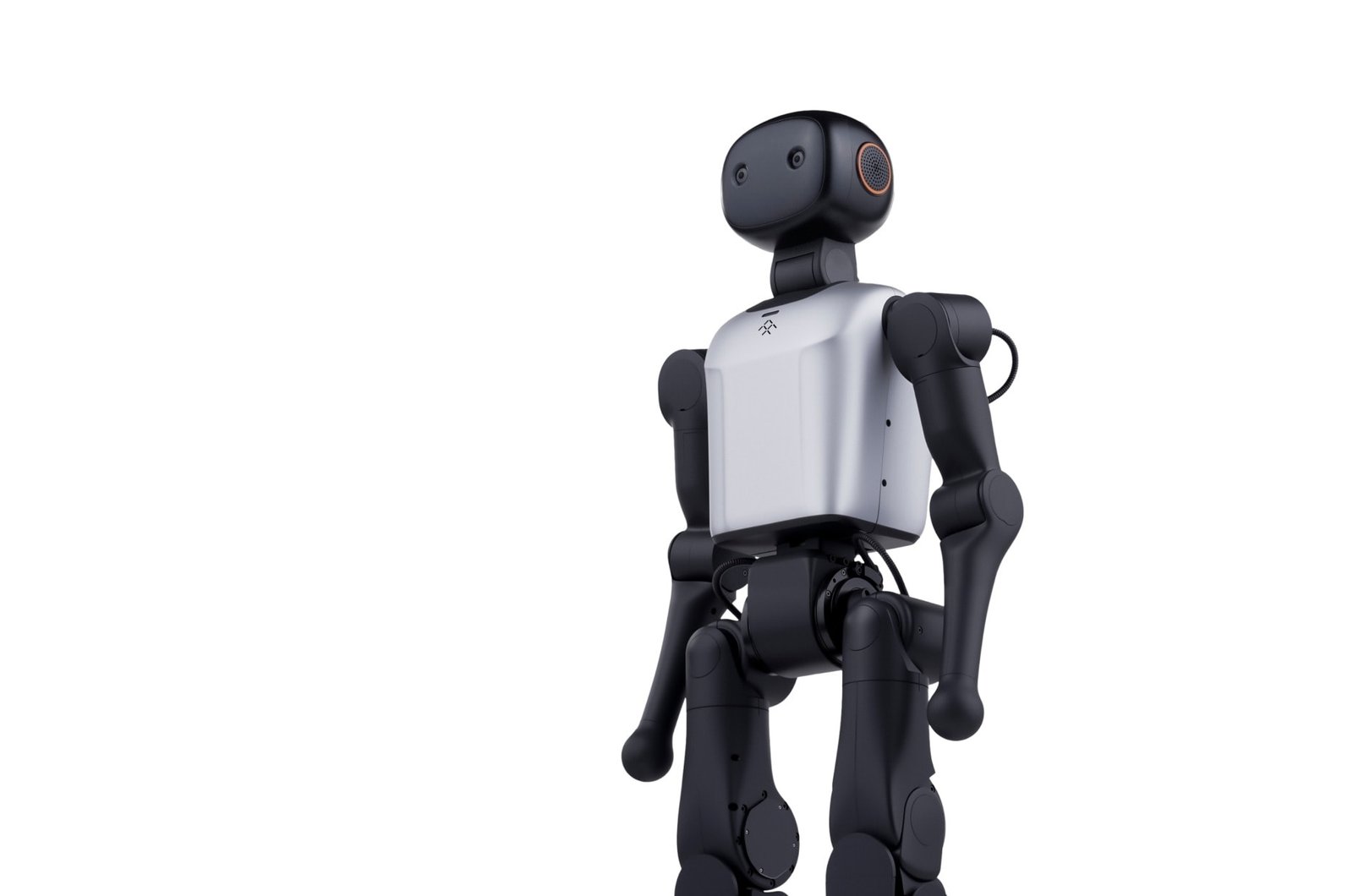
A $9,990 humanoid — approximately €8,700 — now has a product page in Faraday Future’s official store. Master Mini is the lowest-priced humanoid in the new 919 launch range. There is an important qualification: the base version is rated for around 30 minutes of walking. Think learning and experimentation platform, not a ready-made household worker.
The announcement was released on the evening of September 19 in the United States, reaching September 20 in Central Europe. The news is the announced commercial offer, rather than another preview of the event. [1]
Nine configurations, rather than nine unrelated designs
The offer covers five models in nine configurations. This is the complete launch-page price list, with Aegis Mega A and Mega D shown separately. [2]
| Configuration | Announced USD price | Approx. EUR |
|---|---|---|
| Master Mini | 9,990 | €8,700 |
| Master Mini Pro | 12,990 | €11,300 |
| Master Mini Ultra | 17,990 | €15,700 |
| All-New Futurist Standard | 89,900 | €78,300 |
| All-New Futurist Ultra | 129,900 | €113,100 |
| FX Aegis Hyper | 137,900 | €120,100 |
| FX Aegis Mega A | 74,990 | €65,300 |
| FX Aegis Mega D | 74,990 | €65,300 |
| FX Aegis Classic Ultra-W | 12,990 | €11,300 |
Euro figures are rounded currency equivalents, not local EU retail offers or landed import costs. Conversion reference: September 18, 2026. [3]
Master Mini: 30 minutes at entry level, 80 minutes in the upgraded versions
The official specification separates three configurations that share the same family name. Runtime figures refer to walking at 0.4 m/s, not arbitrary tasks or an entire work shift. [4]
| Master Mini | Compute | Battery | Claimed walking runtime |
|---|---|---|---|
| Base | 48 TOPS | 2 Ah | around 30 min |
| Pro | 117 TOPS | 5 Ah | around 80 min |
| Ultra | 200 TOPS | 5 Ah | around 80 min |
Mini is approximately 95 cm tall and 19.5 kg, with 22 degrees of freedom. The official store lists ROS 2 support and Python/C++ development. These are FF specifications and claims, not RoboMorrow measurements. [5]
For a school, the difference between a short demonstration and a complete lesson may matter more than the largest TOPS figure. A session plan needs time for setup, student attempts and charging. A laboratory needs reproducible experiments, useful error logs and a safe way to retry. An SDK being available does not establish how long it takes to create that environment.
That is why we would not compare Mini with a full-size Futurist on price alone. Decide first whether the purchase is a tool for developing a team’s skills or a solution for completing a specific job. The former may be worthwhile without a ready-made business application. The latter requires evidence that the application actually works.
What can be ordered, and what remains unverified?
The official store has a live Master Mini page with a $9,990 price and an add-to-cart control. This goes beyond announcing a product. It does not establish stock for every configuration, delivery to a particular country or a customer order that has actually been fulfilled.
FF names its own channels, Amazon and RobotShop. The materials checked do not establish a local EU price list or European launch for the complete new range. [1]
A prospective buyer should obtain written confirmation of destination support, service arrangements, applicable documentation and the exact accessories included. Currency conversion is not a deployment budget. It also matters who restores the robot after an unsuccessful update and how technical support is charged.
What sits behind the brand and the purchase price?
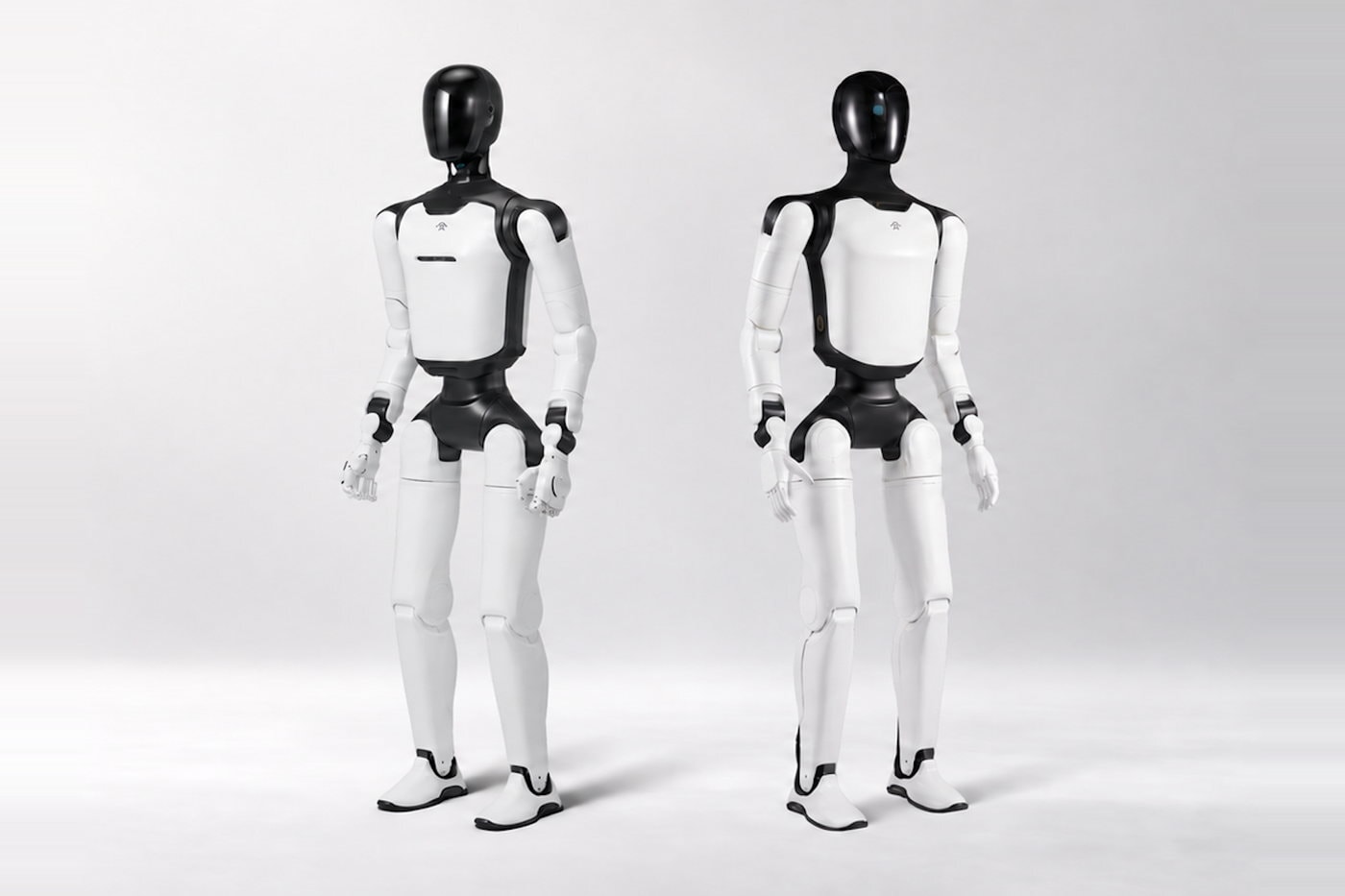
FF discloses that its robots come from Chinese OEMs, with most sourced from one supplier. A US brand should therefore not be confused with fully in-house hardware manufacturing. [1]
An OEM model does not itself determine quality. Accountability for the whole product matters more: hardware–software compatibility, updates, parts and repairs. Buyers need a clear support owner rather than having to work out whether an incident belongs to a mechanical supplier, an integrator or an application vendor.
The RoboMorrow view
The announcement deserves attention because it attaches prices and a claimed commercial pathway to the hardware. It does not establish deployment economics or independently validate autonomy. Buyers seeking an educational platform and companies seeking a finished automation service should use different acceptance tests.
For that distinction, see our humanoid total-cost-of-ownership guide and overview of humanoids that can actually be bought or ordered. Hardware price is the starting point of a comparison, not its conclusion.
Which robot fits the project?
The RoboMorrow robot database separates intended use, availability stage and claimed capability. Those are useful starting points before comparing numbers in a price table.
Master Mini in Faraday Future’s official product visualization. Manufacturer material, not a RoboMorrow test photograph. Image source.
News analysis based on company announcements and launch coverage. RoboMorrow has not physically tested these configurations.