Robot mower season log: costs, downtime and manual work
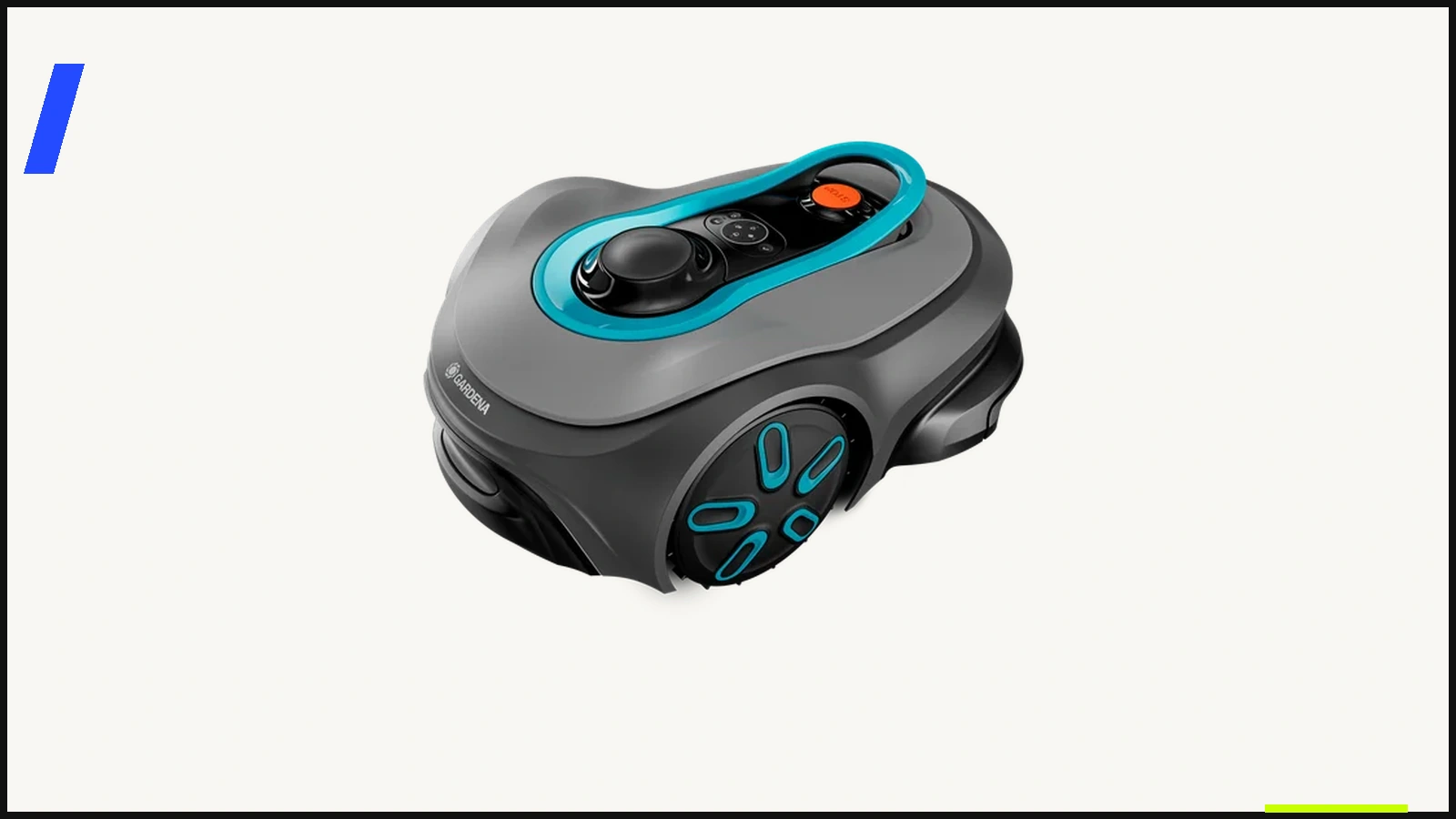
A robot mower can maintain even grass while leaving regular edging work. It can also use little electricity yet lose useful days to downtime. A season log should therefore combine money, mowing results and human effort.
You do not need to record every movement. Use a short weekly entry and separate records for replacements, repairs and significant problems. At the end of the season, the log should support a configuration or purchasing decision.
Define the area actually maintained
Subtract buildings, paving, terraces and beds from the plot area. List separate lawns and how the robot reaches each one. Grass maintained entirely by hand should not automatically increase the area attributed to the mower.
If the robot maintains 500 m², divide seasonal cost by 500 m². Do not multiply the area by every pass unless you deliberately want a different measure: cost per unit area per pass. Those measures answer different questions.
Six weekly fields
| Field | Record |
|---|---|
| Scope and schedule | Zones, planned days and permitted hours |
| Result | Even finish / missed areas / manual correction needed |
| Interventions | Count and total hands-on minutes |
| Manual finishing | Edging and inaccessible patches |
| Energy and supplies | kWh reading, blades and other consumption |
| Downtime | Cause, dates and replacement mowing |
Do not label every non-mowing day a failure. Weather, planned lawn rest, holidays and device faults are different causes. Separate planned breaks from unavailability on a day when mowing was required.
Record events that explain the result
For repeated trapping, note the location and conditions. One problematic connector needs a different response from a toy accidentally left outside. Add a photograph where it helps explain the geometry.
For blade replacement, record the date, cost of the set consumed and reason. Do not charge an entire multipack to one replacement. Use approved parts and procedures from the model’s manual.
For servicing, record the actual expense and the needed operating days lost. If substitute mowing was paid for, add that as a separate expense.
Worked seasonal budget
This is a hypothetical 500 m² lawn, with no paid substitute service.
| Item | Assumption | Cost |
|---|---|---|
| Electricity | 68 kWh × €0.275 | €18.70 |
| Blades | 3 used sets × €10 | €30 |
| Other consumed materials | Example log | €7.50 |
| Paid service | None assumed | €0 |
| Season running cost | €56.20 |
The cost per maintained square metre is €56.20 / 500, approximately €0.11/m² per season. It is not a per-pass price or total ownership cost. Euro figures mirror the Polish example at about €1 per euro, not current retail prices.
Add purchase price as a separate scenario
A hypothetical €1500 purchase spread over five assumed seasons contributes €300 per season. Add running cost and the scenario becomes €356.20, approximately €0.71/m².
Five seasons is an accounting assumption, not a lifetime guarantee. Add installation, repairs, financing and resale value separately if relevant. Do not count both the full purchase price and its annual allocation.
Keep a cash-flow view alongside this scenario if you need to know what is actually paid in each year.
Count the work left to you
Assume 20 minutes of edging per week for 28 weeks and three hours of seasonal maintenance. That is 560 plus 180 minutes, or 12 hours and 20 minutes. Add intervention time separately.
This is not automatically a poor result. Compare it with the previous method for the same 500 m². The mower may provide substantial help while leaving edges; the point is to describe that help accurately.
If a major intervention occurred only once, keep it in the record rather than treating it as a normal weekly task. Show both routine workload and exceptional events.
Use the log next season
Find the three most frequent intervention causes and largest expenses. If trouble is concentrated in one passage, investigate installation and terrain compatibility. If the schedule is overloaded, use the capacity guide. For electricity, follow the measurement method.
A useful log leads to a specific action: an approved setting change, an installation improvement or a more realistic budget. The method and numbers are editorial examples, not operating results for a tested product.