Voxel: a €17,849 home robot — what does a reservation buy?
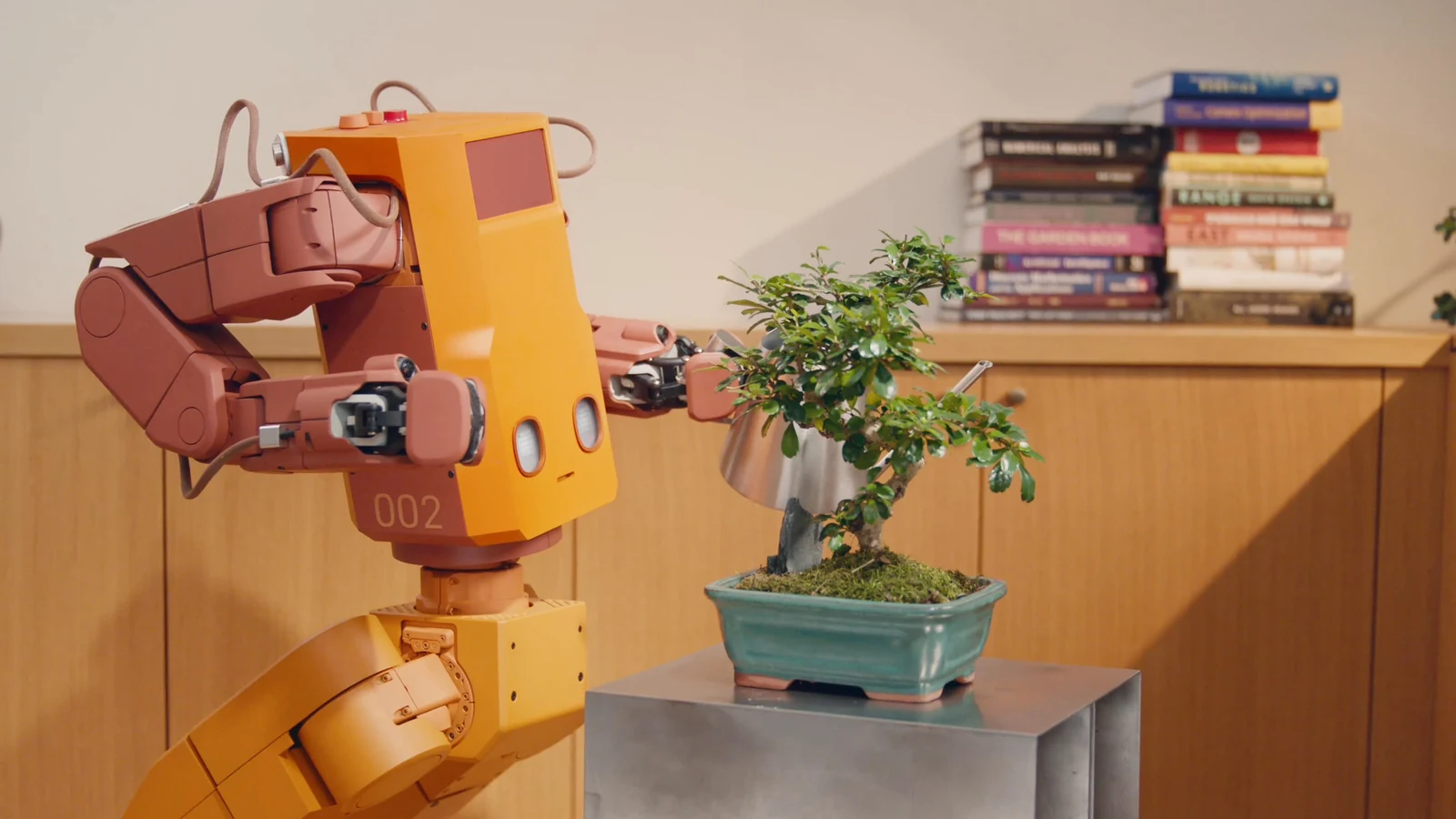
A robot that remembers where we left our keys sounds more useful than another backflip. Tuesday Labs has opened reservations for Voxel Series-1, a biped intended for everyday household tasks. Its estimated US price converts to about €17,849, with a reservation of about €178. Deliveries are expected from 2028, but the terms reveal how far this prototype remains from a finished product.
Information checked: 22 October 2026. Image: Tuesday Labs, Voxel Series-1 prototype watering a plant. Manufacturer material; not a RoboMorrow hands-on test.
A reservation is not yet a robot order
Tuesday Labs says the payment is fully refundable before an actual order is placed. It does not fix the price, specifications or delivery date. First-series robots are intended to carry edition numbers, but those numbers do not determine delivery order. The manufacturer will set that order according to production capacity, location and other operating factors.
This distinction matters to anyone tempted to pay after watching the launch film. A reservation does not buy a working household assistant with settled capabilities. It records interest in a future machine whose details will be confirmed later. The estimated price is not a binding promise to deliver at that amount.
What Voxel is meant to do — and what the film shows
Tuesday Labs describes four task groups: putting things back, finding objects the robot previously saw, fetching small items and completing recurring chores such as plant care. The robot has two seven-degree-of-freedom arms, simple grippers and distinctive Z-shaped legs. Cameras provide its view of the environment.
“A gentleman in training” — Tuesday Labs launch film. This is a manufacturer presentation, not an independent measurement of autonomy, success rate or task duration.
Object memory is the most intriguing promise. Its usefulness depends on whether the robot actually saw an item being put down, identified it correctly and can communicate uncertainty. A shot of a gripper holding keys does not explain what happens in clutter, under poor lighting or after another person moves the object.
The hardware is expected to change substantially
The reservation agreement describes the machine shown today as a concept and development prototype. Tuesday Labs expects substantial hardware redesign before delivery. Today's appearance, components and functions are therefore not the final specifications of a customer unit. The proposed 2028 delivery start may also move later.
Important comparison data are missing: verified battery endurance, payload, human-intervention frequency, reliability across long task sequences and running costs. These gaps should not be filled with an assumption that an action seen in a short promotional clip will work just as smoothly every day.
Europe: no local offer
Reservations require a US delivery address. There is no confirmed EUR price or European delivery schedule. The source figures are US$20,000 estimated price and US$200 reservation. At the ECB reference rate for 22 October 2026, €1 = US$1.1205, they convert to approximately €17,849 and €178. These are scale comparisons excluding taxes and delivery costs, not EU offers or guaranteed conversion rates.
Compare this stage with our guide to humanoids available to buy, order or reserve. The commercialisation of Tesla Optimus also illustrates why starting production and being available to customers must be assessed separately.
What will determine Voxel's value?
The project sensibly focuses attention on ordinary household needs. Its practical value will depend on repeatability, recovery from unexpected situations and the conditions of ownership. Before an actual purchase, buyers will also need clear information about domestic camera data, software updates, repairs and any continuing fees.
Today, Voxel is an interesting prototype with a paid US reservation. The next substantial evidence would be complete product terms and longer demonstrations showing failures and human interventions as well as successful actions. Only then can buyers judge whether the eventual price matches the useful work the robot can perform.