Window Robot or Window Vacuum? Compare the Complete Job
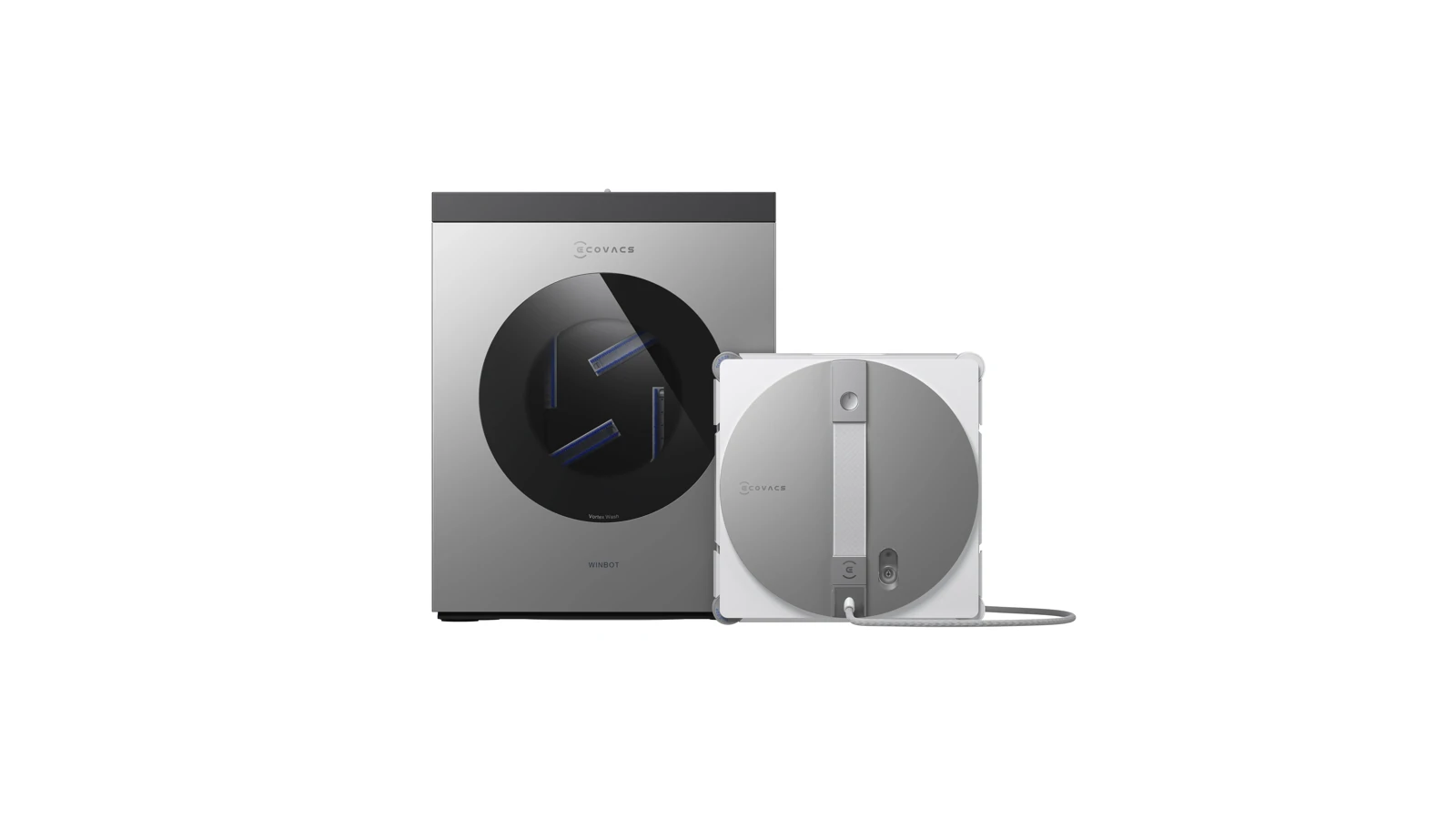
A window-cleaning robot and a cordless window vacuum automate different parts of the job. A robot moves across the pane to which it is attached; a person prepares, secures and transfers it. You guide a window vacuum by hand to collect liquid from a wetted surface. Choose between them by window layout and hands-on work, rather than by the word “automatic”.
Which method fits? Four situations compared
| Your windows | First method to consider | Reason |
|---|---|---|
| A few easily accessible panes | Window vacuum or manual squeegee | Robot preparation may take a substantial share of the session |
| Large panes compatible with the manual | Robot | It may reduce the need to guide a tool across a large surface |
| Many small panes divided by glazing bars | Measure before choosing | Each pane adds a separate attachment and geometry requirement |
| No safe access to the outside surface | Change the cleaning arrangement or use a service | Neither device removes the need for safe installation and retrieval |
This compares workflows, not measured cleaning performance. We have not conducted a controlled head-to-head test on identical dirt. Two people can reasonably choose different tools for identical windows: one wants the shortest elapsed session, while another wants less repetitive movement across the glass.
What the robot does, and what remains your job
ECOVACS describes a pad-washing station for the W3 OMNI. That does not mean automatic movement between windows. After one surface, a person still completes the steps required by the manual, transfers the device and prepares the next side. A station changes pad care; it does not change the structure of your windows.
With a conventional cordless window vacuum such as the Kärcher WV 6 Plus, you wet and wipe the surface, then guide the suction nozzle to collect the liquid. It is neither a robot nor a dry-dust vacuum. Moving between small panes may be straightforward, but you remain actively involved throughout each pass.
Before comparing prices, write down the task you want to remove. “I do not want to guide a squeegee across a large pane” differs from “I do not want to wash cloths.” The first points towards automating movement; the second may favour a particular station. If access is the problem, solve that before selecting a device.
Count pane sides, not windows
A two-sash window cleaned on both sides creates four surfaces to handle. Six such windows produce 24 surfaces, even though you call the job “six windows.” Structural glazing bars can divide the work further. Measure the usable glass and note obstacles before assigning the same method to every surface.
Make a list of pane size, sides, safe access, material compatibility and cleaning method. One device does not have to handle everything. Using a robot on several large panes and a hand tool on small sections may produce a more useful routine than trying to automate every window.
A worked example of hands-on time
The following figures are calculation assumptions, not test results. Suppose you have 12 surfaces. For the robot, allow two minutes of active preparation and transfer per surface, plus ten minutes to set up and put away the equipment: 12 × 2 + 10 = 34 minutes of personal work. Autonomous movement increases elapsed time but does not necessarily occupy your hands throughout.
For the window vacuum, suppose active work takes three minutes per surface and preparation takes five minutes: 12 × 3 + 5 = 41 minutes. The difference in this example is only seven minutes. Different panes or operator experience could reverse it. Replace these assumptions with your own measurements and judge comfort as well as time.
Try three different panes before deciding
Choose one large pane, one typical sash and the smallest section you intend to clean. Record preparation, hands-on work, finishing and equipment care separately. Judge the results under similar lighting. Do not compare a recently wiped pane with an outside window carrying a season of dirt.
For a robot, confirm the exact model’s surface, size, frame and securing requirements. For a window vacuum, check whether you can guide the nozzle around handles and edges. Manufacturer speed claims do not replace this home-specific assessment.
Compare complete offers
List the device, station or charger, pads or blades, cleaning solution and consumables. Record the seller’s market and exact bundle. We do not assign one universal price to either category because the contents differ. Include space for drying and storing equipment in the decision.
If large compatible panes dominate your home, continue to our window robot ranking. If workload is the uncertainty, use the window workload calculator and complete-session timing guide. Choose a method you can perform safely and regularly with an acceptable amount of effort.
Sources and method
RoboMorrow Editorial · checked 28 October 2026. Documentation analysis, not our own physical product test. Worked examples are neither offers nor measured results. Requirements apply to the named models; consult your exact variant’s manual.
Image: ECOVACS WINBOT W3 OMNI, official manufacturer product page, retrieved 28 October 2026. Product illustration, not evidence of an editorial test.
Where to buy models from this article
We show only exact verified Amazon product pages. Before purchase, confirm the variant, seller, warranty and box contents.
Exact Amazon links. Where a verified RoboMorrow marketplace tracking ID is active, the link is an affiliate link and we may earn from qualifying purchases. Price and availability can change after you click.