Figure melted its F.02 fleet in a steel furnace. The robots jumped autonomously
It sounds engineered for the internet: Figure F.02 humanoids autonomously jump into molten steel inside a 75-ton electric arc furnace in Finland. Figure explicitly says the footage is real. The company actually retired most of its F.02 fleet this way.
Behind the spectacle is a more useful story about robot hardware lifecycle. F.02 was the generation that worked at BMW, helped establish Helix-era deployments and preceded F.03. As the newer fleet grows, Figure says maintaining the older platform no longer makes sense.
Why Figure did not simply dismantle the robots
Figure gives two main reasons. One is protection of proprietary hardware such as custom actuators. The other is engineering time: manually tearing down every robot would occupy technical staff and, according to the company, delay the launch of F.04.
Industrial programs routinely face decisions about salvage, recycling and controlled destruction. Figure turned that process into a media event with Arnold Schwarzenegger, but the underlying issue is real: a prototype fleet can contain valuable IP while also becoming expensive technical debt as the architecture moves on.
Why the project ended up in Finland
Figure says foundries it contacted in the US and Mexico would not accept robots carrying lithium-ion batteries into expensive equipment. The team ultimately found a facility in Imatra, Finland, using a 75-ton electric arc furnace.
The operation had narrow windows around each melt. Figure describes extreme heat and electromagnetic fields that caused failures in some filming electronics while the robots continued executing their trained motion policy. That is an interesting engineering detail, but it is not a standardized durability test and does not mean F.02 was designed for furnace work.
The jump was autonomous—but purpose-trained
Before traveling, the team practiced at Figure’s San Jose campus with large airbags. Stunt performers provided motion references and a new model was trained in simulation so the robots could accurately reach a target at a foundry the team had not previously visited.
The distinction matters. The video does not show a general robot spontaneously understanding a steel furnace. It shows a policy deliberately built for a narrow behavior. Sim-to-real transfer into an unfamiliar physical site is technically interesting; it should not be inflated into evidence of broad autonomous industrial capability.
F.02 was not merely a prop
Figure previously described F.02 as its first BMW deployment generation and a platform that informed Helix, household work and logistics. In its BMW summary, Figure reported more than 1,250 runtime hours, more than 90,000 parts loaded and contribution to production of more than 30,000 X3 vehicles. Those are Figure’s deployment figures, not a RoboMorrow independent audit.
That makes the retirement symbolically useful. Hardware that was central to real-world learning can become a platform no longer worth maintaining once the mechanical and electrical architecture changes fast enough.
A marketing stunt with a real product lesson
The presentation is plainly theatrical. Schwarzenegger, the Terminator reference and the furnace footage are designed for attention. That does not erase the concrete news: Figure is ending the active lifecycle of most F.02 units and reallocating resources toward newer generations.
For a future humanoid buyer, the more important question is lifecycle policy. How long will a generation receive parts, software and service? What happens to customer workflows when the vendor migrates to a new actuator or controller architecture? In fast-moving robot hardware, lifecycle support can become part of total cost of ownership.
What happened to the metal and what comes next
Figure says the resulting metal bars were shipped back to the United States and are being machined into a limited set of F.02 commemorative artifacts. A small number of robots remain in storage, while most of the fleet is gone.
The next meaningful question is not how dramatic the retirement looked, but how F.03 absorbs the operational lessons and what F.04 changes. Figure explicitly linked the decommissioning approach to avoiding delays to F.04, so the next generation should be judged against the limitations and service lessons of its predecessors.
What the video proves—and what it does not
It proves that Figure executed a controlled decommissioning project and trained robots for a specific autonomous jump. It does not establish long-duration operation in extreme heat, autonomous steel-mill work or generalized capability beyond the company’s documented deployments.
For RoboMorrow, this is primarily a lifecycle story. The spectacle is packaging. If humanoids are to become industrial fleets, vendors will need to show not only new-generation launches but also support, maintenance, migration and end-of-life policies for the machines customers already deployed.
Fleet retirement belongs in the TCO model
The furnace story matters beyond the film. In a fast-moving hardware platform, the cost of an old generation does not end with the purchase: parts, service tooling, software, engineering knowledge and intellectual-property controls all have to be maintained. Figure says dismantling F.02 units by hand would consume technical resources and risk delaying F.04. That is a manufacturer statement, but it illustrates a cost category that is easy to miss when modelling humanoid economics.
For future customers, the migration plan between generations matters more than the spectacular retirement. Procurement should ask about support periods, spare parts, compatibility with the successor platform, transfer of policies and data, decommissioning procedures and responsibility for protecting proprietary hardware. A fleet that ages through two or three rapid hardware generations can have a very different cost profile from conventional automation kept in service for a decade.
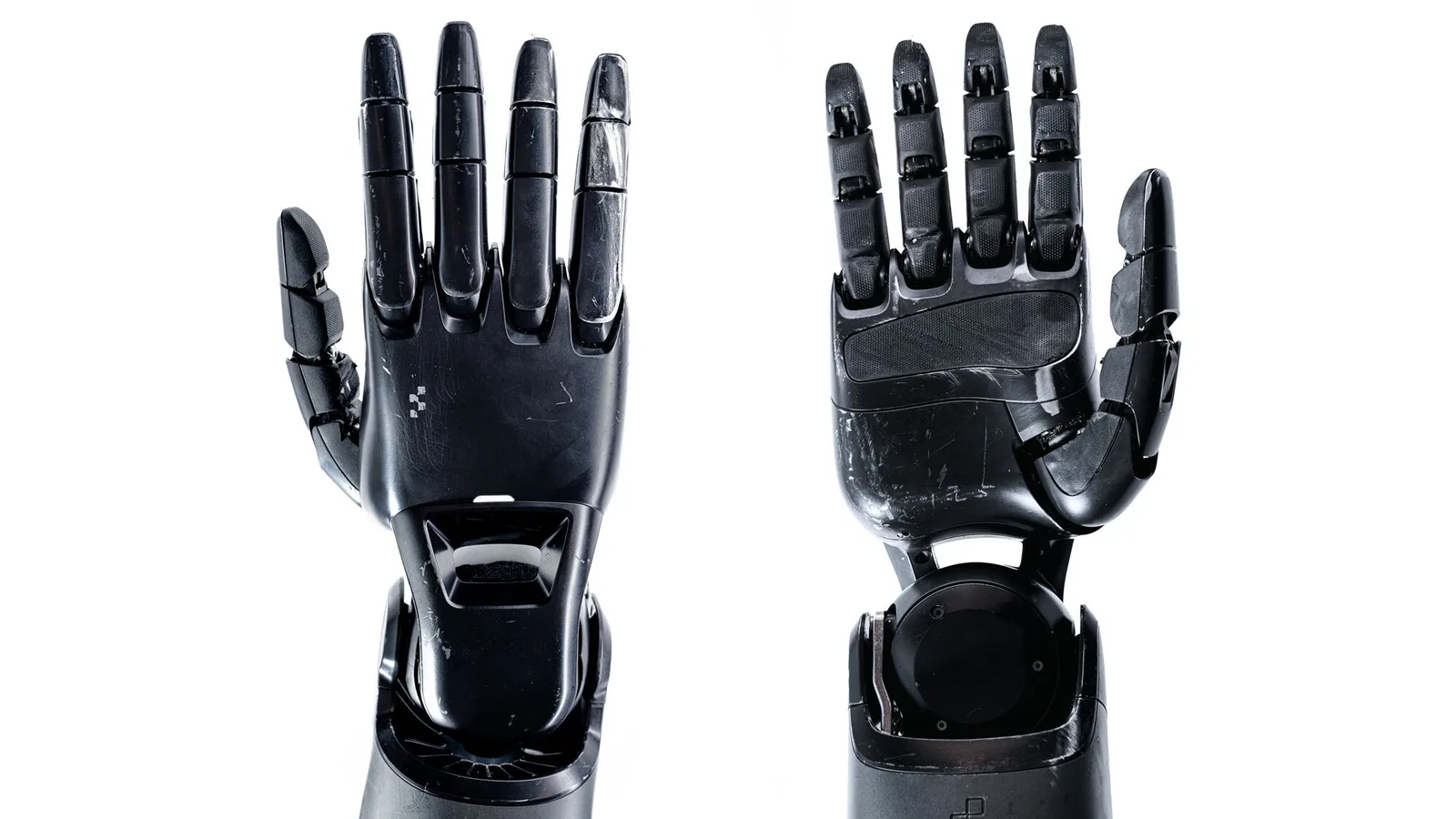
Featured image: official Figure F.02 hardware imagery. It identifies the retired generation and is not presented as a furnace frame. Image source.
Sources and methodology
This article uses primary sources plus editorial cross-checking and was verified on 3 October 2026. Manufacturer claims are kept separate from independent evidence. This is not a RoboMorrow hands-on test.