Robot Vacuum for a Studio Apartment: Space, Dock and Choice
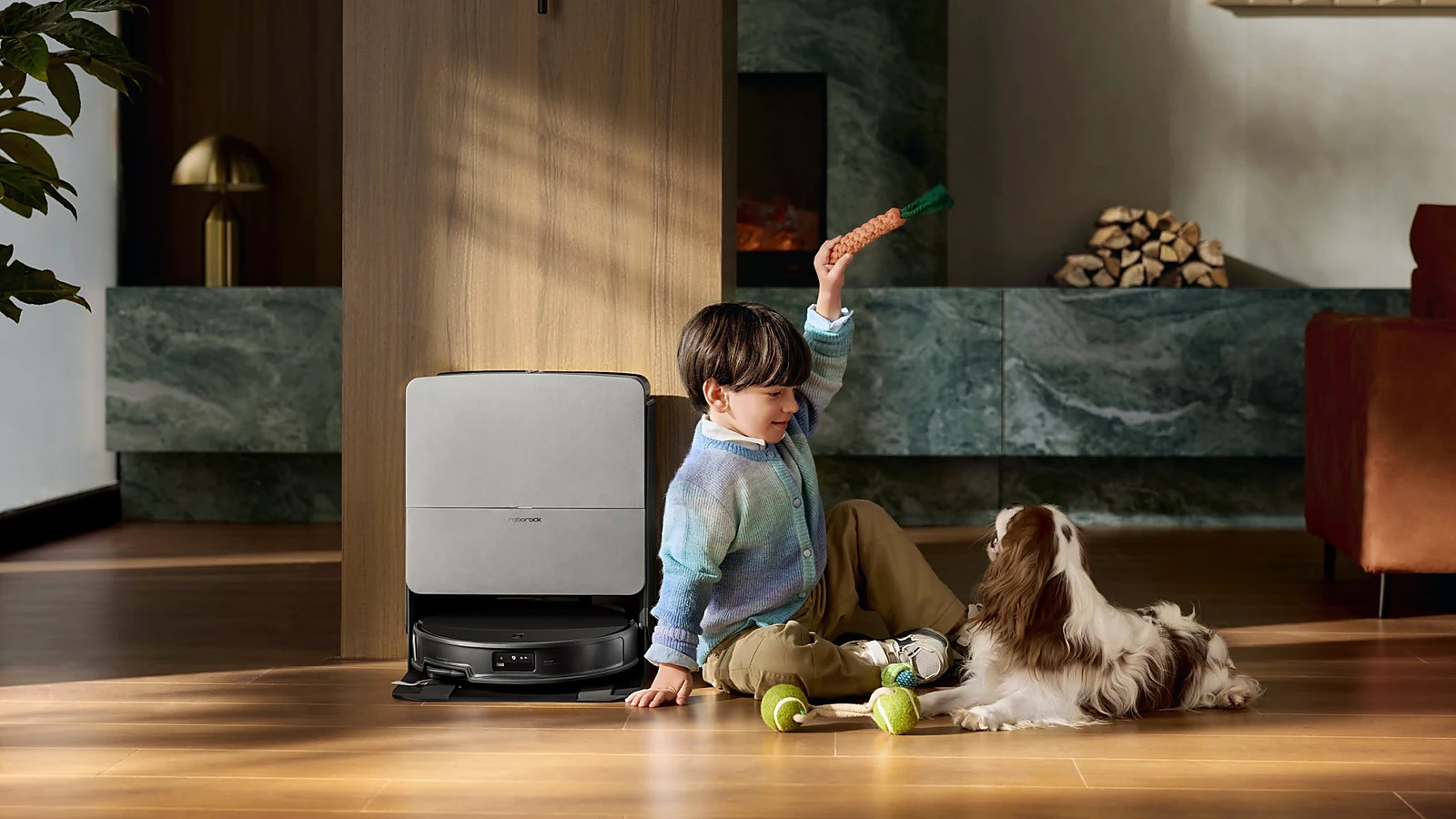
A robot vacuum makes sense in a studio apartment when it removes routine work without making the room awkward to use. An area of 25–40 m² does not identify the best model. Access under the bed, room to lift water tanks and the timing of dust emptying can matter more than a maximum advertised cleaning area.
Choose the system before choosing a model
| System | Who should consider it | Work that remains |
|---|---|---|
| Robot with a small charging dock | Limited space; frequent handling is acceptable | Dustbin emptying and model-dependent mop care |
| Robot with an emptying station | You want less handling during routine dust disposal | Bag changes or container care, plus robot maintenance |
| Robot with a washing station | Frequent mopping and space for the complete routine | Water, dirty tank, tray, pads and periodic maintenance |
This ranks configurations by space constraints, not individual products by cleaning performance. A large station can suit a small home when it has a dedicated position and removes an unwelcome chore. A smaller system may be better when the full station blocks a cupboard or walkway.
Apartment area is not cleaning area
Sketch the accessible floor. Subtract fixed cabinetry, furniture with no clearance beneath it and excluded zones. Mark the space under the bed separately: it may account for a substantial area that is difficult to reach by hand. A passage just a few millimetres too low can exclude a robot even when its advertised coverage would suit a much larger home.
Do not estimate task duration from area alone. Chair legs, cables and frequently moved objects create a different route from an empty rectangular room. An obstacle list helps you plan a schedule and assess whether preparing the room before every run will become a chore in its own right.
A station needs working space
The station footprint is only the first measurement. You also need the approach clearance specified in its manual, a power connection, lid access and room to remove tanks. A housing that fits inside a recess does not establish that the complete installation works there.
Make a cardboard footprint and leave it in the proposed position for several days. Check cupboard access, opening a sofa bed and walking to the bathroom. Then simulate lifting a full tank and carrying it to the sink. This tests the apartment arrangement in a way the robot’s specification sheet cannot.
Three example studios
The first is a 28 m² studio with hard flooring, a low bed and a narrow entrance. Access under the bed and a usable charging position are the first filters. An elaborate station offers no practical advantage until it has a suitable home. The stated height difference between X60 and X50 matters only after checking the entire route beneath the furniture.
The second is a 36 m² apartment with an open kitchen and frequent mopping. If the station has a convenient position, automatic pad handling may matter more than saving a small patch of floor. Tank access and maintenance still need assessment; a station is not automatically connected to mains water and drainage.
The third is a 32 m² studio with a rug and a resident working from home. Separate tasks and timings: vacuuming during a walk, emptying within an acceptable time window and a mopping strategy compatible with the rug. Do not assume quiet mode also silences every station function. Confirm the model’s scheduling and restriction options.
Where should the budget go?
Maximum coverage has little value if a less expensive model already finishes your apartment comfortably. That does not automatically make the cheapest robot the best choice. A higher price may buy more convenient dust disposal, access under furniture or a different mopping system. Assign every premium to a specific chore or limitation it should remove.
As a calculation example, three minutes of floor preparation before five weekly runs totals 15 minutes a week, or 13 hours across 52 weeks. These are not measured robot savings. They illustrate why organising cables can be part of making the purchase useful. Automation should not require more preparation than you are willing to perform.
Accept the system through a first-week trial
Check a full route with the apartment in its normal arrangement, access under the most difficult furniture and return to the station. Assess rugs and floor-compatible mopping separately. Record manual finishing and equipment-care time. Include a day with the sofa bed open or chairs where they normally stand.
Use our robot vacuum ranking to build a shortlist and the robot and dock measuring guide to check fit. Compare low-profile candidates in X60 versus X50, then follow the seven-day home acceptance protocol. A “best for 30 m²” label cannot substitute for understanding how you use the room.
Sources and method
RoboMorrow Editorial · checked 28 October 2026. Documentation analysis, not our own physical product test. Worked examples are neither offers nor measured results. Requirements apply to the named models; consult your exact variant’s manual.
Image: Roborock Saros 20 — manufacturer material reused from an earlier RoboMorrow publication. Illustration, not evidence of testing.
Where to buy models from this article
We show only exact verified Amazon product pages. Before purchase, confirm the variant, seller, warranty and box contents.
Exact Amazon links. Where a verified RoboMorrow marketplace tracking ID is active, the link is an affiliate link and we may earn from qualifying purchases. Price and availability can change after you click.