NEURA 4NE1 Gen 3.5: price, reservation and availability

BUYING IN YOUR MARKET
Availability in your country
Sales, delivery and support can differ by country and exact model. Choose your market to see the evidence we have checked.
NEURA 4NE1 Gen 3.5: price, reservation and availability
No verified local offer in this dataset
A current local sales offer, exact regional variant, delivery date and service coverage have not been verified for this country in the regional dataset. This does not mean that the robot is unavailable.
- Price
- No verified local price in this dataset
- Delivery
- No confirmed date for your address
- Warranty and service
- Local coverage not verified
“Listed” confirms a product page or sales route, not stock, delivery to every address or local service. “Pre-order” is not immediate availability. Unverified means we lack evidence; it does not mean unavailable. Prices belong to the named market and currency. Confirm the exact version, tax, shipping and support before ordering.
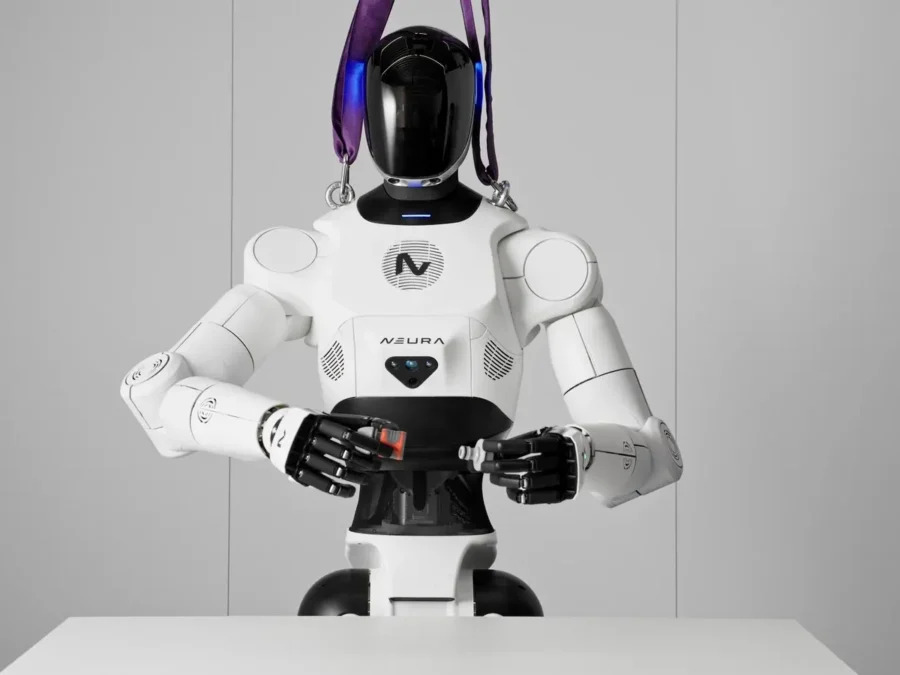
Featured visual: NEURA Robotics. Product material; not a RoboMorrow hands-on test photograph.
NEURA 4NE1 Gen 3.5 is a humanoid offered through a reservation process. That does not establish immediate delivery. The company places it within a Physical AI ecosystem, but procurement should be based on a final configuration and quotation rather than the platform name alone.
| Commercial item | Source status |
|---|---|
| Model | 4NE1 Gen 3.5 |
| Reservation | €100, described by the manufacturer as refundable |
| Estimated price, 1–19 units | €98,000 per unit |
| Estimated price, 20+ units | €60,000 per unit |
| Tax / shipping | Excluded from the quoted figures |
| Timing | Expected at the end of 2026; confirm in the proposal |
Who should consider it?
The current offer is most usefully considered by teams developing robot applications and by deployment partners. Reserving a unit does not turn it into a general-purpose employee or a ready-made household carer.
Define the task, objects, environment and required independence before choosing the platform. It can be interesting as a research tool without meeting the requirements for unattended shift work. Those are different purchasing criteria.
Developer interfaces and teleoperation can be valuable, but should be tied to the ordered hardware and licence. Do not assume every feature mentioned across an ecosystem is already included in the basic delivery.
A project should also identify who will create and maintain application behaviour. Supplying a programmable body is different from supplying a completed process, even when both are presented under the same product name.
The surrounding ecosystem
Partnerships covering industrial data, electronics and computing infrastructure explain the company’s strategy. They are not robot test results or evidence that a planned manufacturing scale has already been achieved. [1] · [2]
The customer needs those relationships translated into a concrete scope: which hardware is delivered, where computing happens and who maintains the software. Architecture discussions should address responsibility and cost, not only partner logos.
For a cloud-connected project, define which functions need connectivity and what happens if the connection disappears. This is a design question, not a claim that a particular 4NE1 function requires the internet.
The same principle applies to data. Clarify what is recorded, which parties receive it and whether a customer can keep sensitive process information out of shared development workflows.
Price and timing: three distinct numbers
A volume-order price is not the right figure for a single-unit comparison. Nor should the reservation payment appear as the robot’s headline purchase price. This profile deliberately separates those amounts.
Establish when price, delivery and specification become confirmed. During development, marketing can describe a direction while a purchase contract requires a precise scope.
We do not automatically transfer dimensions from older 4NE1 versions into the Gen 3.5 specification. Check the document for the exact generation, including payload limits in the required postures and with the intended tools.
We have not confirmed local warehouse stock or a reseller’s fulfilment time. Those details need a current, specific offer.
For budgeting, add commissioning, tooling, training and support separately. A quoted machine price and a deployable installation price answer different questions.
Frequently asked questions
Does €100 buy a 4NE1?
No. It is a reservation payment, separate from the estimated price of the machine.
Do demonstrations establish readiness for every job?
No. A specific application still needs trials and agreed acceptance criteria.
Related: German robotics, 4NE1 Mini and buying humanoids.
Sources and methodology
Editorial analysis based on the linked sources, checked on 28 September 2026. Manufacturer and seller statements are not RoboMorrow test results. We have not independently tested these robots.
NEURA 4NE1 Gen 3.5 — reservation and estimated pricing · NEURA Robotics / Bosch, 14.01.2026 · NEURA Robotics / SECO, 07.09.2026
Where to buy
We do not yet have a verified exact Amazon product page for this model. Check the official source above.
News about this robot and brand
A robot needs to hear the click. NEURA introduces AI with touch and memory
Seeing two parts in the right position does not confirm a successful connection. Neuron AI aims to combine several senses with a memory of earlier actions.Read more →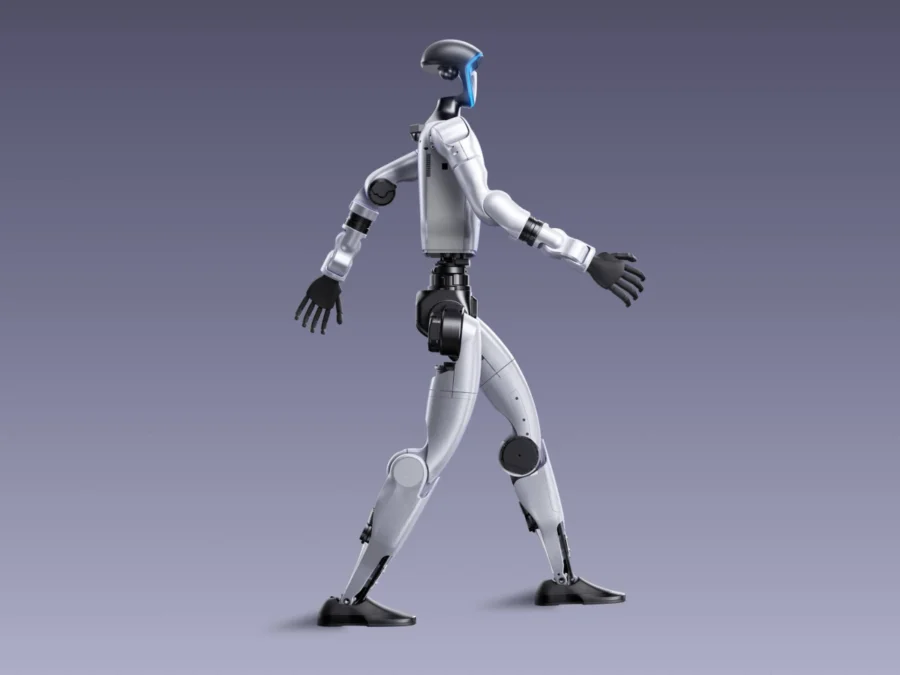
Humanoids in 2026: which can you actually buy, order or reserve?
Unitree G1, R1 and H2, NEURA, NEO, Digit, Agile, Atlas, Figure and Optimus: separate hardware purchases, reservations, subscriptions and deployment projects.Read more →Guides
No related guides are available yet.
Comparisons and rankings
No related comparisons are available yet.